
Investigation Launched into Alleged Fake Agency: State House Denies Involvement, FRSC Confirms Role in Number Plate Issuance: MSMN News
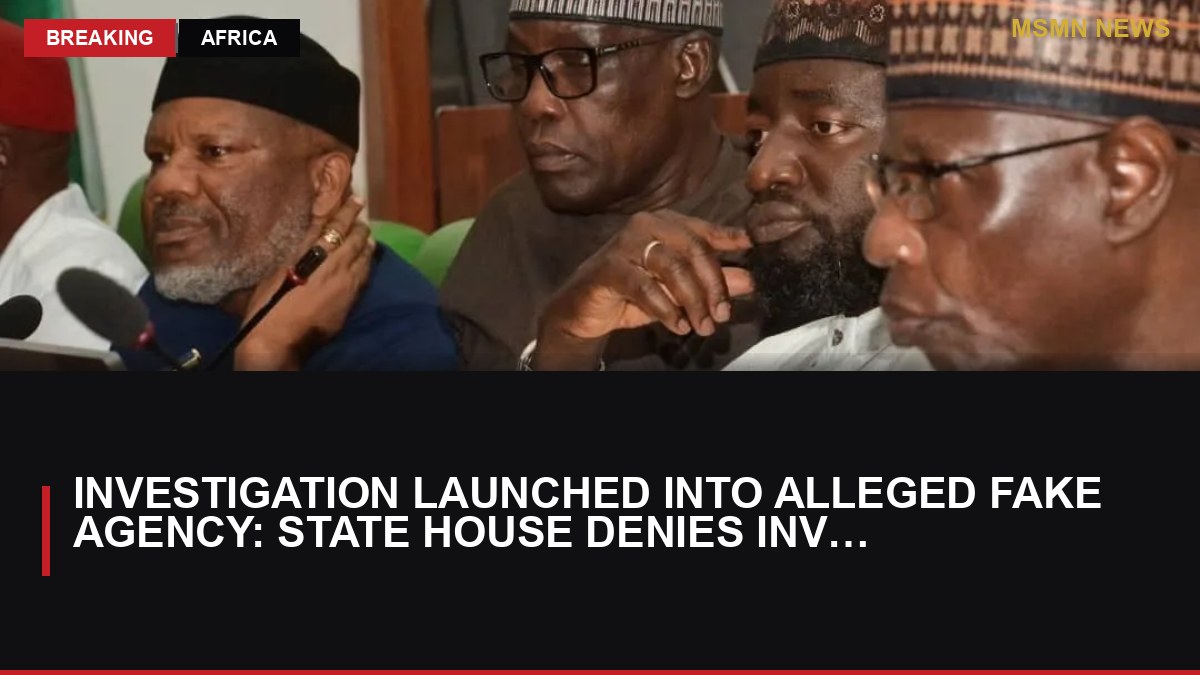
The State House of Nigeria has denied any involvement in the establishment of a dubious agency amid growing concerns about potential fraudulent activities, while the FRSC confirms its participation in vehicle number plate issuance.
- Gerard Butler's 109-Minute Sci-Fi Disaster Movie Masterpiece Officially Arrives on Free Streaming: MSMN News
- Ultron Makes a Comeback in the Marvel Cinematic Universe: MSMN News
- Bleach: Thousand-Year Blood War Sets New Standards in Anime: MSMN News
- Thailand to Implement New 450 Baht Tourism Fee Starting April 2027: MSMN News
- Shingo Natsume's New Sci-Fi Film Set to Premiere in Six Months: MSMN News
In a significant development from Nigeria, the State House has publicly denied any involvement in the establishment of a questionable agency that has recently come under scrutiny for potential fraudulent activities. This denial comes amid growing concerns regarding the legitimacy of the council, which reportedly operated without proper authorization. The Federal Road Safety Corps (FRSC), meanwhile, has confirmed its participation in the issuance of vehicle number plates, further complicating the narrative surrounding this emerging scandal.
The controversy erupted when reports surfaced about a council that allegedly operated under the guise of an official agency, prompting questions about its legitimacy and the extent of its operations. In response to these allegations, a spokesperson for the State House emphasized that there had been no correspondence or requests sent to the Office of the Accountant-General regarding the creation of this council. "We don’t even know anything about this council. We never heard about this council until we started seeing it in the media," the spokesperson stated, underscoring the administration's position of non-involvement.
The emergence of this issue comes at a time when the Nigerian Government has been under pressure to address various forms of corruption and mismanagement. The allegations surrounding the fake agency have raised alarms about the potential misuse of government resources and the exploitation of citizens through fraudulent means. This situation is particularly concerning given the historical context of similar scams that have plagued the country, leading to widespread distrust in governmental institutions.
As the Investigation unfolds, the role of the FRSC has also come into focus. The agency has admitted its involvement in the issuance of vehicle number plates, which raises questions about the oversight and regulation of such operations. The FRSC's admission adds another layer to the complexity of the case, as it suggests that while the council in question may not have been officially sanctioned, elements of its operations could still be intertwined with legitimate governmental functions. This blurring of lines between official and unofficial activities is a critical aspect that investigators will need to address.
The implications of this scandal extend beyond mere administrative oversight; they touch on the broader issue of public trust in governance. Citizens are increasingly wary of potential scams, especially those that exploit their need for essential services such as vehicle registration. The situation has prompted public outcry and calls for accountability, as many fear that without proper checks and balances, such fraudulent entities could continue to operate unchecked.
In light of these developments, the Nigerian government faces a pressing challenge: how to reassure the public that it is committed to transparency and accountability. As the investigation into the alleged fake agency progresses, officials will need to provide clarity on the measures being taken to prevent similar occurrences in the future. This includes not only addressing the specific allegations at hand but also implementing more robust systems of oversight to ensure that all agencies operate within the law.
The timeline of events leading to this investigation is crucial for understanding the full scope of the issue. Initial reports began circulating in recent weeks, prompting immediate media attention and public scrutiny. As more information came to light, the State House was compelled to respond, leading to their recent public denial of any involvement. The FRSC's admission of its role in number plate issuance adds a layer of complexity that will likely be scrutinized in the ongoing investigation.
Public reaction to these developments has been mixed. While some citizens express relief that the State House is distancing itself from the alleged fraudulent activities, others remain skeptical about the government's ability to effectively manage and regulate its agencies. The fear of Corruption and mismanagement looms large in the minds of many Nigerians, as past experiences with similar scandals have left a lasting impact on public perception.
As the investigation continues, it is expected that more details will emerge regarding the nature of the purported agency and its operations. Stakeholders, including civil society organizations and watchdog groups, are likely to demand greater transparency from the government, pushing for reforms that would enhance accountability within public institutions. The outcomes of this investigation could set important precedents for how similar cases are handled in the future, potentially influencing public policy and governance practices across Nigeria.
In the meantime, the State House and the FRSC will need to navigate the fallout from this controversy carefully. They must work to regain public trust while addressing the legitimate concerns of citizens who rely on government services. As the narrative unfolds, the stakes remain high, with the potential for significant implications not only for those directly involved but also for the broader landscape of governance in Nigeria.
The situation underscores the critical need for vigilance and accountability in public service, as well as the importance of maintaining a clear separation between legitimate government functions and fraudulent activities that seek to exploit the populace. The coming weeks will be pivotal in determining the direction of this investigation and the subsequent actions that will be taken to restore confidence in Nigeria's governmental institutions.
As the investigation progresses, it is essential for the government to demonstrate its commitment to reform and to implement measures that will prevent similar incidents in the future. Citizens are watching closely, and their trust in government agencies hangs in the balance. The implications of this case will likely resonate throughout the country, as it highlights the ongoing struggle against corruption and the need for greater accountability in public service.
In conclusion, the unfolding investigation into the alleged fake agency presents a critical moment for Nigeria's governance. With the State House denying involvement and the FRSC admitting to its role in number plate issuance, the narrative is complex and layered. As the public demands accountability and transparency, the government must act decisively to restore trust and ensure that such fraudulent activities do not continue to undermine the integrity of its institutions. The road ahead will require careful navigation, but it also presents an opportunity for meaningful reform and a renewed commitment to serving the Nigerian people with integrity and respect.
Source / Reference
Reporting by MSMN News, based on publicly available source material.
Source: Premium Times NG
Recommended products

 Editor's choice
Affiliate disclosure: MSMN may earn from qualifying purchases. Prices and availability may change.



Comments