
Nigeria and UN Collaborate on Unified Disaster Warning System: MSMN News
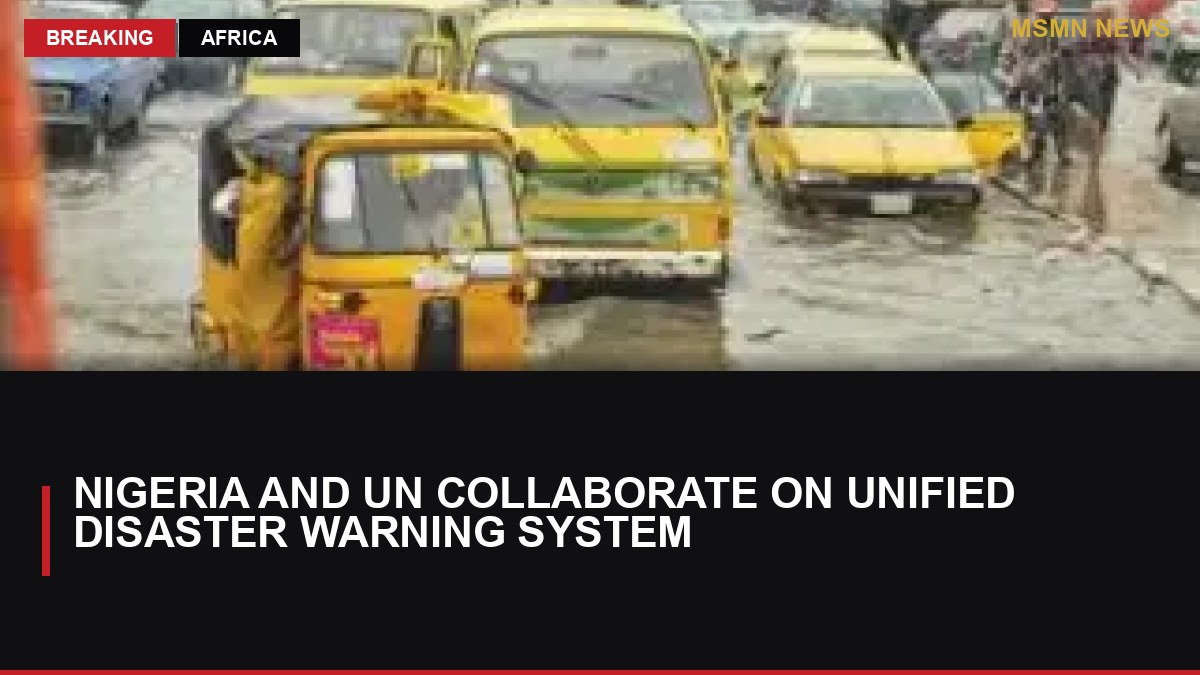
The Federal Government of Nigeria, with support from the United Nations, is developing a unified disaster warning system to combat recurring floods. This initiative integrates various national agencies to enhance readiness and response to climate-related hazards.
- Chicago Sky's DiJonai Carrington Responds to Criticism Over 'White Privilege' Comments: MSMN News
- Democrats Issue Warning to Election Commission Over Senate Vote-Rigging Allegations: MSMN News
- Challenges Ahead for Thailand's People's Party: MSMN News
- Devastating Earthquake Strikes Indonesia, Leaving 20 Dead: MSMN News
- Rescue Efforts Dwindle as Hundreds Remain Missing Following Colombia Earthquake: MSMN News
In a concerted effort to combat the devastating effects of recurring floods in Nigeria, the Federal Government, with the support of the United Nations, is spearheading the creation of a unified disaster warning system. This strategic initiative aims to consolidate the expertise and resources of various national agencies, including those specializing in emergency management, meteorology, hydrology, telecommunications, and space science, to enhance the country's readiness and response to climate-related hazards.
The endeavor was launched following a high-level inter-agency meeting held in Abuja, where stakeholders from different sectors gathered to discuss the pressing need for a coordinated approach to Disaster Management. The meeting underscored the importance of establishing a system that not only warns communities about impending natural disasters but also provides them with actionable information to minimize loss of life and property.
Flooding has been a perennial challenge in Nigeria, with the country's diverse topography and climate patterns making it particularly vulnerable to seasonal deluges. Over the years, floods have caused significant damage to infrastructure, displaced thousands of people, and resulted in considerable economic losses. The situation is exacerbated by Climate Change, which has led to more unpredictable weather patterns and increased the frequency and severity of floods.
The proposed unified disaster warning system is envisioned as a holistic solution that integrates data from various sources to provide timely and accurate information. By leveraging advanced technology and scientific expertise, the system aims to deliver real-time alerts to communities at risk, enabling them to take preventive measures well in advance. This proactive approach is expected to significantly reduce the impact of Floods and other climate-related disasters.
The collaboration between the Nigerian government and the United Nations highlights the global dimension of climate change and the need for international cooperation to address its challenges. The UN's involvement is particularly crucial, as it brings in global best practices and technical support that can enhance the effectiveness of Nigeria's disaster management efforts.
The initiative also aligns with Nigeria's broader commitment to sustainable development and resilience building. By strengthening its disaster response capabilities, the country is not only safeguarding its citizens but also contributing to the global agenda on climate resilience and sustainable development goals.
Despite the ambitious scope of the project, several challenges remain. Ensuring the seamless integration of data from diverse agencies, overcoming bureaucratic hurdles, and securing adequate funding are some of the issues that need to be addressed for the successful implementation of the warning system. Additionally, there is a need for continuous public education and community engagement to ensure that the warning system is effectively utilized.
Looking ahead, the Nigerian government and its partners are optimistic that the establishment of a unified disaster warning system will mark a turning point in the country's approach to disaster management. By fostering a culture of preparedness and resilience, Nigeria aims to not only mitigate the impact of floods but also set a precedent for other nations grappling with similar challenges.
As the project progresses, stakeholders will continue to work closely to refine the system and ensure that it meets the needs of all communities, particularly those that are most vulnerable to the impacts of climate change. The success of this initiative could serve as a model for other countries in the region and beyond, demonstrating the power of collaboration and innovation in addressing one of the most pressing issues of our time.
Floods in Nigeria have a historical context that underscores the urgency of this initiative. In recent years, significant flood events have highlighted the inadequacies of the current warning systems. The 2012 floods, one of the worst in decades, affected over seven million people and resulted in hundreds of deaths. The economic impact was staggering, with losses estimated in billions of dollars. These events have underscored the need for a more robust and unified approach to disaster management.
The integration of various agencies, such as the National Emergency Management Agency (NEMA), the Nigerian Meteorological Agency (NIMET), and the Nigerian Hydrological Services Agency (NIHSA), among others, is a critical step in this direction. These agencies bring a wealth of expertise and data that, when combined, can provide a comprehensive picture of potential disaster scenarios. The involvement of telecommunications and space science agencies further enhances the system's capabilities, allowing for the dissemination of warnings through multiple channels and the use of satellite data to monitor weather patterns and flood risks in real time.
Public awareness and community engagement are also crucial components of this initiative. Educating communities about the risks of floods and how to respond to warnings can save lives and reduce the impact of disasters. The government, in collaboration with local organizations and international partners, plans to implement educational campaigns and training programs to build community resilience.
The financial aspect of the project cannot be overlooked. Implementing a unified disaster warning system requires significant investment in technology, infrastructure, and human resources. The Nigerian government, with support from international partners, is exploring various funding options, including international aid, public-private partnerships, and budget allocations. Ensuring sustainable funding is essential for the long-term success and maintenance of the system.
As climate change continues to pose a significant threat to vulnerable regions around the world, initiatives like Nigeria's unified disaster warning system are becoming increasingly important. The ability to predict and respond to natural disasters can save lives, protect livelihoods, and reduce economic losses. By taking proactive measures and fostering international collaboration, Nigeria is setting an example for other countries facing similar challenges.
The road ahead will require continued commitment and cooperation from all stakeholders involved. As the system develops, it will be crucial to address any technical, logistical, or financial challenges that arise. The success of this initiative will depend on the ability of the Nigerian government and its partners to work together effectively and adapt to changing circumstances.
In conclusion, the establishment of a unified disaster warning system in Nigeria represents a significant step forward in the country's efforts to address the challenges posed by climate-related disasters. By leveraging technology, expertise, and international collaboration, Nigeria is taking proactive measures to protect its citizens and build resilience against future floods. This initiative not only addresses an urgent national need but also contributes to the global effort to combat the effects of climate change and promote sustainable development.
Source / Reference
Reporting by MSMN News, based on publicly available source material.
Source: Vanguard Nigeria
Reference link: https://www.vanguardngr.com/2026/08/flood-alert-fg-un-move-to-establish-unified-disaster-warning-system/
Recommended products

Wayfair UK
Naomi Portable Projector Screen Projector Screen
Approx. GBP 172.99 Final price on merchant site


Affiliate disclosure: MSMN may earn from qualifying purchases. Prices and availability may change.


Comments