
China's JL-3 Submarine Missile Test Marks Significant Military Milestone: MSMN News
Follow MSMN
Official channels from Martins Studio Media Network.

China's recent missile test in the Pacific marks its first submarine-based missile launch in over 40 years, drawing international attention and raising concerns about regional security.
- The Weaponization of Migration: MSMN News
- Exploring the Rich Culinary Tradition of Onam Sadhya: MSMN News
- Rassie Erasmus Dismisses All Blacks' Claims of Game Delays: MSMN News
- Building Authentic Bonds in a Disconnected World: MSMN News
- Quadarella Shines as Italy's Mixed Relay Teams Advance to Finals: MSMN News
China's Recent Missile Test
In a significant display of military capability, the People’s Liberation Army (PLA) conducted a Missile Test in the Pacific Ocean last month. This event, which took place on July 6, has drawn considerable attention from military analysts and international observers alike. The test involved a dummy warhead that reportedly covered a distance of 8,000 kilometers, or approximately 5,000 miles. This marks China's first confirmed submarine-based missile test since 1982, and notably, it is the first known launch from a nuclear-powered submarine.
### The Missile Type
While the specific type of missile used in this test has not been officially confirmed by the Chinese government, reports from the Global Times, a newspaper affiliated with the Communist Party of China, suggest that the missile involved was the JL-3. This missile is capable of being launched from submarines and is part of China's broader strategy to enhance its nuclear deterrent capabilities. The JL-3 is seen as a significant upgrade over its predecessor, the JL-2, which has been in service for several years.
### Context of the Test
The timing of this test is particularly noteworthy. It comes amid heightened tensions in the Asia-Pacific region, where Military posturing and naval exercises have become more frequent among global powers. Analysts suggest that this test could be a response to perceived threats from the United States and its allies, particularly in light of recent military collaborations and joint exercises among nations such as Japan, Australia, and India.
The PLA's missile test also reflects China's ongoing efforts to modernize its military capabilities. The country has been investing heavily in developing advanced weaponry and technologies, aiming to establish itself as a dominant military power in the region. This test serves as a reminder of the evolving nature of military engagements and the strategic importance of missile technology in contemporary warfare.
### Reactions from the International Community
The international reaction to China's missile test has been mixed. Some countries view this development as a cause for concern, fearing that it may escalate tensions in an already volatile region. The United States, in particular, has been vocal in its criticism of China's military advancements, arguing that they contribute to an arms race in the Pacific.
In contrast, other nations have adopted a more neutral stance, emphasizing the need for dialogue and diplomatic engagement to address security concerns. The test has sparked discussions about the necessity of arms control agreements and the importance of maintaining open lines of communication among military powers.
### Implications for Regional Security
China's successful missile test has significant implications for regional security dynamics. The ability to launch missiles from submarines enhances China's second-strike capability, which is crucial for maintaining a credible nuclear deterrent. This capability allows China to respond to potential threats more effectively, even if its land-based missile systems are compromised.
Moreover, the JL-3 missile is believed to have an extended range, which could potentially target U.S. military bases in the Pacific and beyond. This development raises concerns among U.S. military planners regarding the effectiveness of existing defense systems and the overall balance of power in the region.
### Historical Context
To understand the significance of this test, it's essential to consider the historical context. The last confirmed submarine-based missile test by China occurred in 1982, a period marked by different geopolitical realities. Since then, China has undergone substantial military modernization, transitioning from a primarily land-based military force to one that emphasizes naval capabilities and nuclear deterrence.
The development of the JL-3 missile is part of this broader transformation. As China seeks to assert its influence in the Asia-Pacific region, the ability to conduct submarine launches represents a critical advancement in its military strategy.
### Next Steps and Future Developments
Looking ahead, the PLA's missile test may signal a new phase in military competition in the region. Observers are closely monitoring China's military activities, particularly as it continues to refine its missile technology and expand its naval capabilities. The international community will likely respond by reassessing defense strategies and enhancing military readiness in response to China's growing assertiveness.
In the coming months, analysts expect further developments in China's military program, including additional missile tests and advancements in submarine technology. The implications of these actions will undoubtedly shape the security landscape in the Asia-Pacific region and beyond.
### The Broader Military Landscape
The JL-3 missile test is not an isolated incident but part of a larger pattern of military advancements by China. Over the past decade, China has ramped up its defense spending and focused on modernizing its armed forces. This includes the development of advanced aircraft, naval vessels, and missile systems designed to enhance its operational capabilities.
China's military modernization efforts are often viewed through the lens of its regional ambitions, particularly in the South China Sea, where territorial disputes have led to increased tensions with neighboring countries and the United States. The ability to launch submarine-based missiles adds a new dimension to China's military posture, allowing it to project power more effectively.
### The Role of Technology in Warfare
The evolution of missile technology is reshaping the dynamics of modern warfare. Submarine-launched ballistic missiles (SLBMs) like the JL-3 are designed to be stealthy and difficult to detect, making them a strategic asset for any nation. The ability to launch missiles from underwater platforms provides a significant tactical advantage, as it complicates the enemy's ability to counteract potential threats.
China's focus on developing such technologies underscores the importance of innovation in military strategy. As nations invest in advanced missile systems, the potential for misunderstandings and miscalculations increases, highlighting the need for robust communication channels and confidence-building measures among military powers.
### Conclusion
As China continues to develop its military capabilities, the international community must navigate the complexities of these developments with care. The recent JL-3 missile test serves as a stark reminder of the shifting power dynamics in the Asia-Pacific region. With heightened military activity and evolving technologies, the potential for conflict remains a pressing concern.
In summary, China's JL-3 missile test is not just a demonstration of technological prowess; it is a strategic move that reflects the shifting tides of military power in the Asia-Pacific region. The international community will need to navigate these developments carefully to avoid escalating tensions and ensure a stable security environment for all nations involved.
Source / Reference
Reporting by MSMN News, based on publicly available source material.
Source: SCMP China
Recommended products
Office Depot and OfficeMax
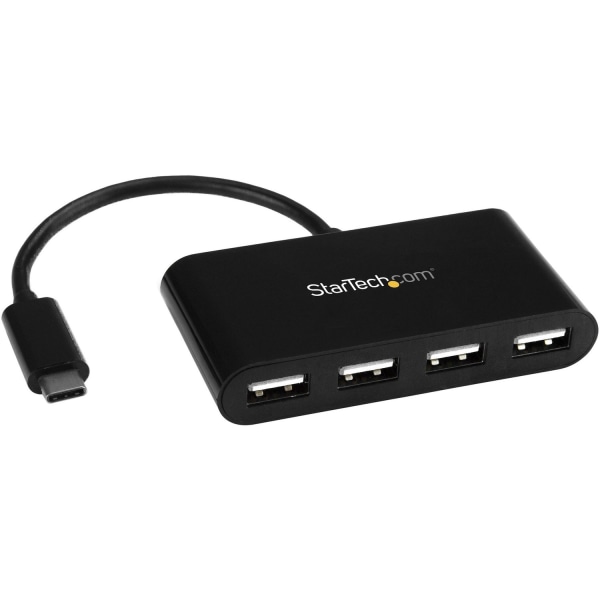
StarTech.com 4 Port USB C Hub - Mini Hub - USB-C to 4x USB-A - USB 2.0 Hub - USB Type C Hub - USB C to USB Hub - USB C Port Expander
Approx. USD 38.99 Final price on merchant site

 Editor's choice
Affiliate disclosure: MSMN may earn from qualifying purchases. Prices and availability may change.


Comments