
DR Congo Screens Hundreds After Suspected Ebola Death on Riverboat: MSMN News
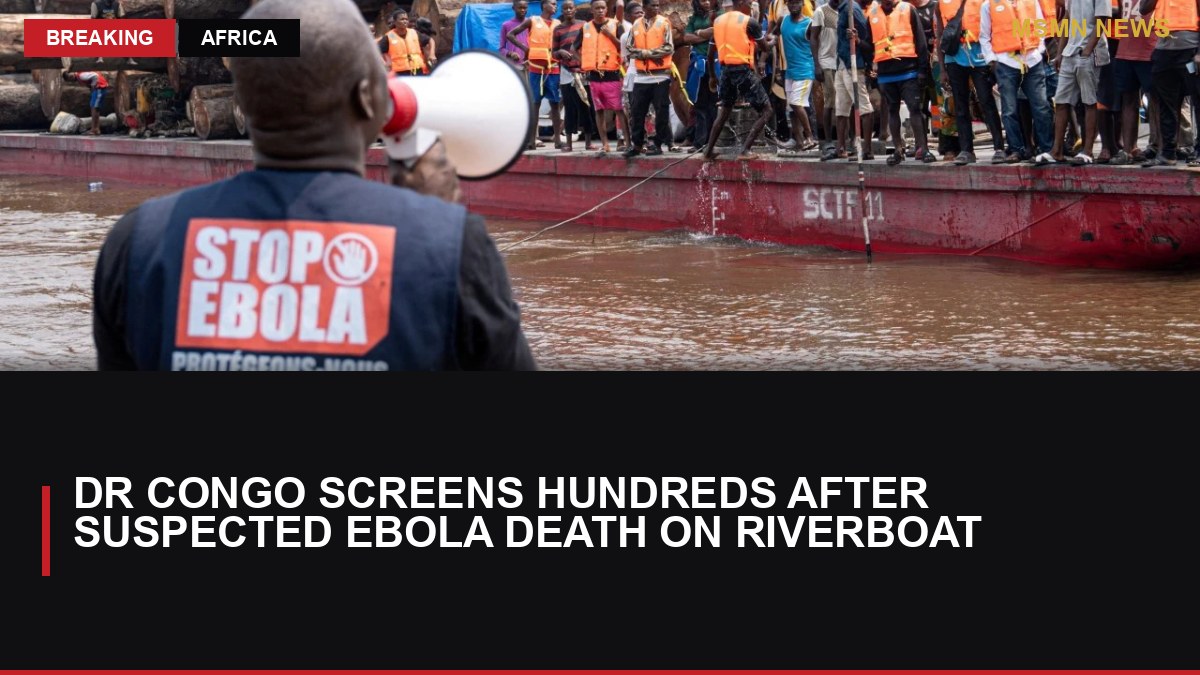
In a proactive public health response, the Democratic Republic of Congo (DRC) is testing over 300 riverboat passengers following a suspected Ebola death, highlighting ongoing vigilance against the deadly virus.
- The Hundred Finals Set to Thrill Cricket Fans: MSMN News
- L'imad Moves to Acquire Full Ownership of AD Ports Group: MSMN News
- Kaziranga Eco-Sensitive Zone Under Scrutiny: MSMN News
- Leroy Jethro Gibbs' Most Iconic Quote Remains a Staple of NCIS: MSMN News
- Dodgers Hopeful for Shohei Ohtani's Return to Pitching: MSMN News
In a significant Public Health response, the Democratic Republic of Congo (DRC) has mobilized its health resources to test more than 300 individuals who were aboard a riverboat following the death of a passenger suspected of having Ebola. This incident, which unfolded near the capital city of Kinshasa, has reignited fears of the deadly virus potentially spreading among the population.
The riverboat was intercepted on Wednesday in Maluku, a town situated approximately 65 kilometers upstream from Kinshasa. Health officials acted swiftly, deploying a mobile laboratory to the site to begin immediate testing and containment measures. The swift action underscores the DRC's ongoing vigilance and readiness to tackle potential outbreaks of Ebola, a virus that has historically posed significant challenges to the country.
Ebola, known for its high mortality rate and severe symptoms, has been a recurring threat in the DRC. The virus, which is transmitted through direct contact with bodily fluids of infected individuals, can cause severe bleeding, organ failure, and often results in death if not treated promptly. The DRC has experienced several outbreaks in the past, with the most devastating being the 2018-2020 outbreak in the eastern part of the country, which claimed thousands of lives and required international intervention to bring under control.
The current situation began when a passenger on the riverboat fell ill and subsequently died, exhibiting symptoms consistent with Ebola. This development prompted authorities to take immediate preventive measures to avert a potential outbreak. The health ministry's secretary-general, Body Ilonga, emphasized the importance of swift action, noting that the deployment of the mobile laboratory was crucial in ensuring that any potential spread of the virus could be quickly identified and contained.
Passengers on the riverboat have been subjected to thorough screening procedures. Health officials are conducting tests to determine if any other individuals might have contracted the virus. This proactive approach is part of a broader strategy by the DRC to maintain stringent surveillance and rapid response capabilities, which are essential in managing public health threats.
The DRC's health infrastructure, while facing numerous challenges, has improved its capacity to respond to Ebola outbreaks over the years. The lessons learned from previous epidemics have informed current strategies, which include community engagement, vaccination campaigns, and the establishment of specialized treatment centers. These efforts are supported by international partners, including the World Health Organization (WHO) and various non-governmental organizations, which have provided technical and logistical support to enhance the country's response capabilities.
The potential for an Ebola outbreak in Kinshasa, a densely populated city, is particularly concerning. The city's large population and interconnectedness with other regions could facilitate rapid transmission of the virus if not contained swiftly. Authorities are therefore prioritizing containment efforts, conducting contact tracing, and ensuring that anyone showing symptoms is isolated and treated promptly.
Public response to the incident has been mixed, with some expressing concern over the potential for an outbreak, while others remain confident in the government's ability to manage the situation. The DRC government has been transparent in its communication, providing regular updates to the public and reassuring citizens that all necessary measures are being taken to ensure their safety.
Looking ahead, the DRC's health authorities are likely to continue monitoring the situation closely. They will be working to ensure that all passengers from the riverboat are accounted for and that any potential cases are identified and managed swiftly. The incident highlights the ongoing need for vigilance and preparedness in the face of infectious disease threats, particularly in regions that have previously experienced significant outbreaks.
The international community is also keeping a watchful eye on developments in the DRC. Given the global nature of health security, any potential outbreak of Ebola is of international concern. The WHO and other health organizations stand ready to assist the DRC as needed, providing expertise and resources to support the country's efforts in managing the situation.
As the DRC navigates this potential public health challenge, the importance of continued investment in health infrastructure and capacity building cannot be overstated. Strengthening these areas will be crucial in ensuring that the country can effectively respond to future health threats and protect its population from the devastating impacts of diseases like Ebola.
The DRC's history with Ebola has been long and challenging. Since the virus was first identified in 1976 near the Ebola River, the country has been at the forefront of fighting this disease. Each outbreak has provided valuable lessons that have been incorporated into the nation's health policies and strategies. However, the challenges remain significant, with issues such as limited access to remote areas, logistical difficulties, and occasional community resistance to health interventions.
The deployment of the mobile laboratory to Maluku is a testament to the DRC's commitment to leveraging technology and expertise in its public health responses. Mobile labs have become an essential tool in the rapid diagnosis of infectious diseases, allowing for on-the-spot testing and quicker decision-making. This capability is particularly crucial in regions where traditional laboratory infrastructure is lacking or where time is of the essence in preventing disease spread.
The role of international partners cannot be understated in the DRC's ongoing battle against Ebola. Organizations such as the WHO, Doctors Without Borders, and the Centers for Disease Control and Prevention (CDC) have played pivotal roles in past outbreaks, offering not only financial support but also technical expertise and manpower. These collaborations have resulted in the development of effective vaccines and treatments, which are now integral parts of the DRC's epidemic response toolkit.
Moreover, the DRC's experience with Ebola has also contributed to global health knowledge, influencing how other countries prepare for and respond to similar threats. The importance of community engagement, for instance, has been highlighted repeatedly. Ensuring that local populations are informed, involved, and supportive of health measures is critical for the success of any intervention. Misunderstandings and mistrust can lead to resistance, which can hamper efforts to control an outbreak.
The current situation on the riverboat is a microcosm of the broader challenges faced by the DRC in its public health efforts. It underscores the need for continuous vigilance, not just from health authorities but from the entire community. Public health is a collective responsibility, and the cooperation of all stakeholders is essential in preventing the spread of diseases like Ebola.
As the DRC continues its efforts to contain this potential outbreak, the world watches closely. The lessons learned here will not only benefit the Congolese people but also contribute to the global understanding of how to manage infectious disease threats in a connected world. The DRC's resilience and determination in the face of such challenges are commendable, offering hope that with the right support and strategies, the threat of Ebola can be managed effectively.
Source / Reference
Reporting by MSMN News, based on publicly available source material.
Source: SCMP China
Reference link: https://www.scmp.com/news/world/africa/article/3363217/dr-congo-tests-over-300-passengers-after-suspected-ebola-death-boat?utm_source=rss_feed
Recommended products

 Editor's choice

Affiliate disclosure: MSMN may earn from qualifying purchases. Prices and availability may change.


Comments