
Oil Prices Decline Amid Increased Traffic in Hormuz Strait: MSMN News
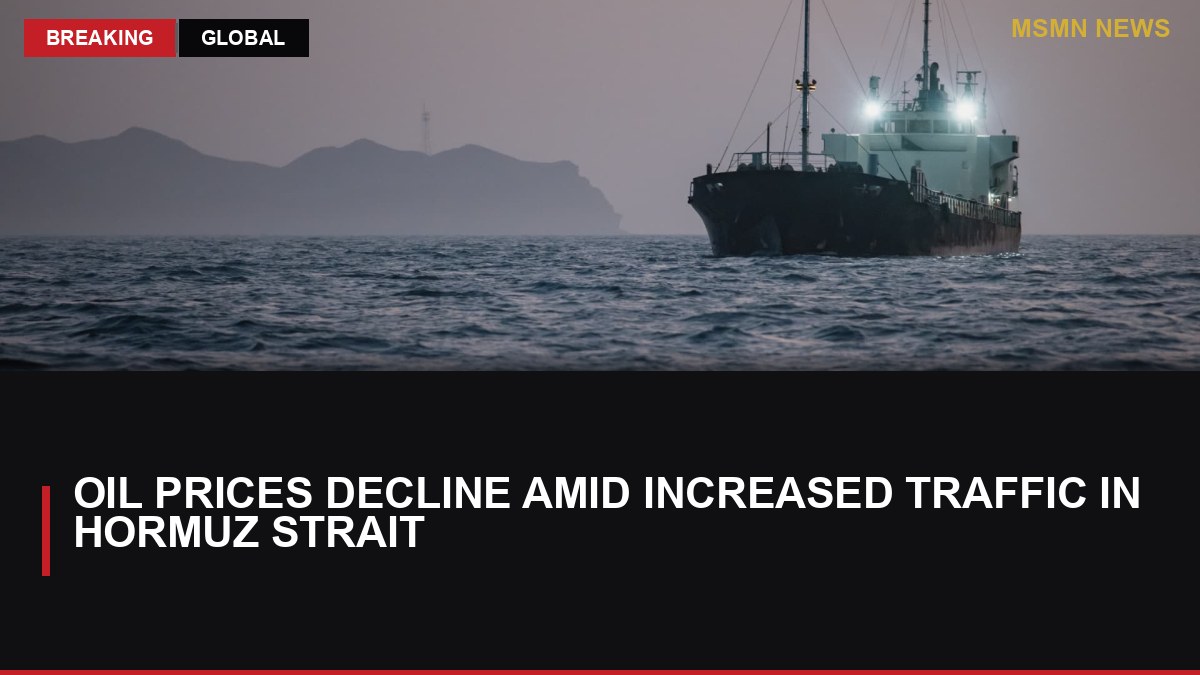
Oil prices have started to decline following a noticeable increase in shipping traffic through the Strait of Hormuz, easing market concerns after recent U.S.-Iran tensions.
- Jonah Koech Faces Three-Year Ban for Doping Violations: MSMN News
- Tragic Shooting Incident Among Village Defence Guards in Udhampur: MSMN News
- Innovative Tribute to Freedom Fighter Alluri Sitarama Raju: MSMN News
- Kochi Corporation Greenlights New Waste Treatment Plant: MSMN News
- Nottingham Forest to Face Leeds United in EFL Cup Clash: MSMN News
Oil Prices See a Downturn
In an unexpected turn of events, Oil Prices have started to decline following a noticeable increase in shipping traffic through the Strait of Hormuz. This development has brought some relief to markets that were previously jittery due to escalating tensions between the United States and Iran. On Friday, analysts from the Commonwealth Bank of Australia pointed out that the uptick in oil flows has significantly eased concerns surrounding potential disruptions in this critical maritime route.
The Strait of Hormuz is a vital chokepoint for global oil transportation, with approximately 20% of the world’s crude oil passing through it. The recent tensions between the U.S. and Iran, particularly following military strikes, had raised fears about the security of this crucial passage. However, the resurgence of shipping activity is a promising sign for the oil market, indicating that operations may be stabilizing despite the geopolitical backdrop.
Context of the Recent Tensions
The backdrop of these developments is marked by heightened military activity and diplomatic strains in the region. Earlier this week, U.S. forces conducted strikes against Iranian targets in response to provocations that included drone attacks on oil facilities and shipping routes. Such actions typically send shockwaves through oil markets, as traders fear potential supply disruptions.
The U.S.-Iran relationship has been fraught with tension for years, characterized by a series of conflicts and negotiations that have often left the global oil market on edge. The recent military strikes were part of a broader strategy by the U.S. to deter Iranian aggression in the region, which has included not only drone attacks but also threats to maritime security. The stakes are high, as any disruption in this area can have far-reaching implications for oil prices and global energy security.
However, the response from the oil market has been somewhat muted compared to previous episodes of conflict in the area. This could be attributed to a few factors, including the market's resilience and a growing understanding that while tensions can impact prices, the fundamental supply-demand dynamics often prevail in the long run. As traders become more accustomed to geopolitical fluctuations, they may be less reactive to short-term crises.
Market Reaction to Improved Conditions
As news broke regarding the improved shipping conditions in the Strait of Hormuz, market analysts began reassessing their positions. The Commonwealth Bank's report highlighted that the increase in oil flows is a significant factor in the current price movements. Traders began to react positively, leading to a slight drop in oil prices following a period of volatility.
Brent crude, the international benchmark for oil prices, has seen fluctuations in recent weeks, reflecting the uncertainty surrounding Middle Eastern Geopolitics. Prices had surged previously due to fears of supply interruptions, but with the recent stabilization of shipping routes, analysts predict a more stable pricing environment in the near term. This is particularly relevant as global demand for oil continues to recover post-pandemic, further influencing market dynamics.
The impact of these developments is not just limited to the oil market; it reverberates through various sectors of the economy. Lower oil prices can lead to reduced transportation costs, which can benefit consumers and businesses alike. However, the volatility of oil prices means that any positive developments can quickly be overshadowed by new geopolitical tensions or changes in supply dynamics.
Implications for Global Oil Supply
The implications of the situation in the Strait of Hormuz extend beyond immediate price fluctuations. A stable flow of oil through this chokepoint is crucial for global energy security. Any interruptions can lead to significant price spikes, affecting not only oil-exporting nations but also economies heavily reliant on imported oil.
Countries like Japan, South Korea, and several European nations depend on oil shipments that traverse this narrow strait. A significant disruption in this area could lead to economic instability, increased inflation, and a ripple effect that could impact global markets. Conversely, a stable shipping environment can foster confidence in the energy sector, encouraging investment and growth.
The recent easing of tensions and the subsequent increase in shipping traffic could signal a more prolonged period of stability. However, analysts remain cautious, noting that the geopolitical landscape is inherently unpredictable. While the current situation appears favorable, any new developments could quickly alter the outlook. The ongoing conflict in the region and the potential for new provocations mean that stakeholders must remain vigilant.
Future Considerations for the Oil Market
Looking ahead, several factors could influence the trajectory of oil prices. Market observers are closely monitoring U.S.-Iran relations, as any further military action or diplomatic breakthroughs could shift market sentiment dramatically. The U.S. administration's approach to Iran, including sanctions and military posture, will play a crucial role in shaping the future of oil prices.
Additionally, the ongoing recovery of global oil demand, particularly in emerging markets, will play a crucial role in shaping price movements. As economies rebound from the pandemic, the demand for energy is expected to rise. This demand will be particularly pronounced in countries that are experiencing rapid industrial growth, which could further strain supply chains.
Moreover, OPEC's production decisions will also be pivotal. The organization has been working to manage output levels to stabilize prices, and any changes in their strategy could have far-reaching effects on the market. As countries continue to navigate the post-pandemic landscape, the interplay between supply and demand will remain a central focus for traders and analysts alike. OPEC's ability to balance production with market needs will be tested as global demand fluctuates.
Public and Industry Reaction
The response from industry stakeholders has been mixed. While some welcome the decline in oil prices as a relief for consumers and businesses, others express concern over the potential for reduced investment in oil exploration and production. Lower prices can lead to decreased revenues for oil-producing nations, which may impact their economic stability.
At the consumer level, lower oil prices can translate into reduced fuel costs, which is generally seen as a positive development. This can lead to increased disposable income for consumers, potentially stimulating other sectors of the economy. However, the broader implications for the energy market and the economy must be carefully considered. The balance between maintaining affordable energy prices and ensuring a sustainable oil industry is a complex issue that will require ongoing dialogue among industry leaders, policymakers, and consumers.
Conclusion
As the situation develops, the oil market will remain under close scrutiny. Analysts will continue to evaluate the impacts of geopolitical tensions and market dynamics on pricing. The improved traffic through the Strait of Hormuz is a welcome sign for the industry, but vigilance is necessary as the geopolitical landscape evolves. The coming weeks will be crucial in determining whether the recent trends in oil prices can be sustained or if new challenges will emerge.
The situation in the Strait of Hormuz serves as a reminder of the interconnectedness of global markets and the significant role that geopolitical factors play in shaping economic realities. As the world watches, the oil market's response to these developments will likely set the stage for future trends in energy pricing and availability. Investors, consumers, and policymakers alike will be keeping a close eye on the developments in this critical region, as the implications for global oil supply and pricing are profound.
Source / Reference
Reporting by MSMN News, based on publicly available source material.
Source: CNBC Top News
Reference link: https://www.cnbc.com/2026/07/31/oil-prices-today-brent-wti-hormuz-trump-iran-.html
Recommended products

 Editor's choice

Affiliate disclosure: MSMN may earn from qualifying purchases. Prices and availability may change.




Comments