
States Expand Student Loan Programs Amid New Federal Borrowing Caps: MSMN News
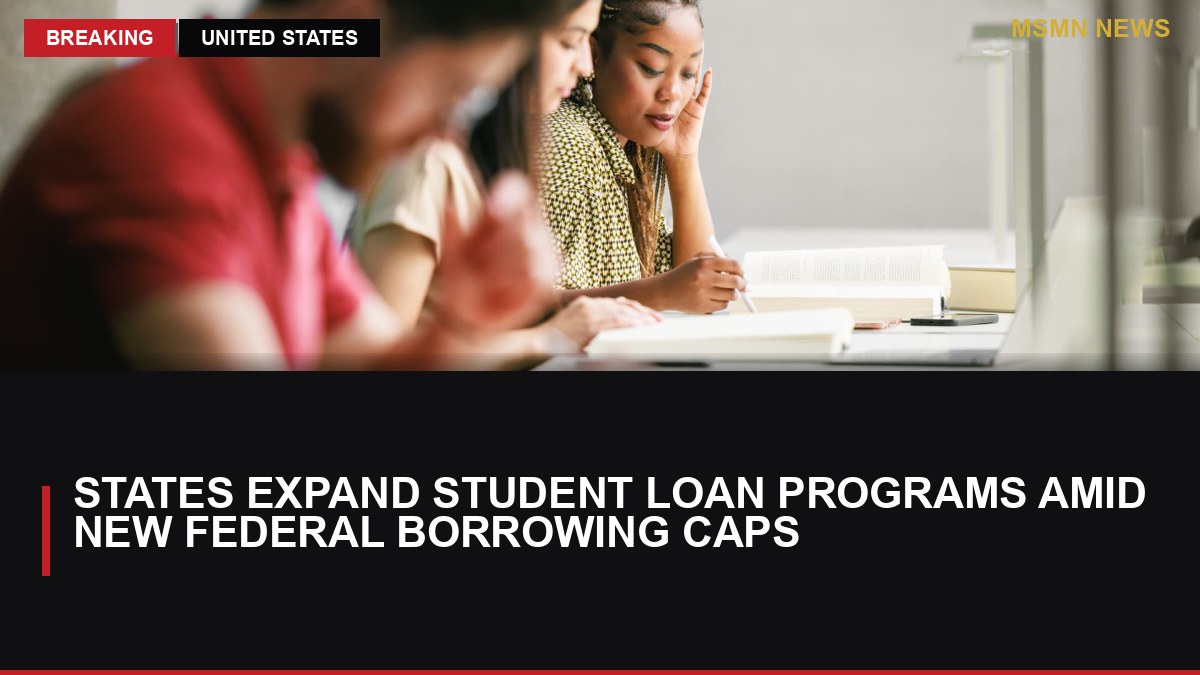
Several states, including Connecticut, Minnesota, and Rhode Island, have introduced new student loan options in response to recent federal borrowing limits, but these changes come with notable trade-offs for borrowers.
- Arab-Israeli activist Yoseph Haddad enters politics with new party ahead of elections: MSMN News
- Highly competitive Likud primaries set as Netanyahu holds expanded control over Knesset slate: MSMN News
- Hezbollah disarmament 'integral' to Lebanon-Israel security process, US official tells 'Post': MSMN News
- Trump Vows Economic Pressure on Iran, Plans to Declare Hormuz US Territory: MSMN News
- Innovative Tribute to Freedom Fighter Alluri Sitarama Raju: MSMN News
Introduction
In light of recent changes to federal student loan policies, several states have initiated their own programs to provide additional borrowing options for students. Connecticut, Minnesota, and Rhode Island have taken steps to expand their state-run loan initiatives. These developments come as the federal government imposes new borrowing limits, prompting states to step in to fill the gaps. However, the new state programs also present challenges and trade-offs for potential borrowers.
Federal Borrowing Caps
The federal government has enacted new caps on borrowing for student loans, which aim to address concerns about rising student debt levels and financial sustainability. Under these new regulations, students will find it more difficult to access the maximum amount of federal loans previously available. These changes have sparked significant concern among students and families who rely on federal loans to finance Higher Education.
The federal caps are part of a broader initiative to reform student lending and reduce the overall debt burden on graduates. However, with these restrictions in place, many students may find themselves needing additional financial support to cover tuition and living expenses. This has led states to explore alternative solutions to ensure their residents can still afford higher Education.
State Responses
Connecticut, Minnesota, and Rhode Island are among the states that have responded proactively to the new federal guidelines. Each state has crafted its own approach to expanding student loan options, with varying terms and eligibility requirements.
### Connecticut
Connecticut has introduced a state-backed loan program aimed at providing students with competitive interest rates and flexible repayment options. The initiative is designed to complement federal loans, allowing students to borrow additional funds if needed. This program specifically targets low- and middle-income families, offering them a lifeline as federal borrowing becomes more restrictive.
State officials have emphasized that the program will not only help students cover educational costs but also aim to reduce the financial burden post-graduation. The state has allocated funding to ensure that the program remains viable and beneficial for students.
### Minnesota
Minnesota has also taken steps to expand its student loan offerings. The state has launched a program that provides low-interest loans to students attending public universities and colleges. The initiative is particularly focused on helping those who may not qualify for federal aid or who need additional funds beyond what federal loans can provide.
Officials in Minnesota believe that this targeted support will help bridge the gap created by federal borrowing caps. The loans are designed to be accessible and manageable, allowing students to focus on their studies rather than financial stress.
### Rhode Island
Rhode Island's approach includes a partnership with local financial institutions to offer students various loan options. This program is unique in that it encourages collaboration between the state and private lenders, aiming to provide students with more choices when it comes to financing their education.
Rhode Island officials have stated that the program will prioritize transparency and affordability, ensuring that students understand the terms of their loans before borrowing. This initiative is seen as a way to empower students to make informed financial decisions while pursuing their education.
Trade-offs and Concerns
While the expansion of state loan programs provides additional options for students, there are several trade-offs and concerns that potential borrowers should consider.
### Increased Debt Burden
One of the primary concerns is the potential for increased debt. Borrowing from state programs may lead students to take on more debt than they initially planned, particularly if they are already facing limitations with federal loans. While state loans may offer lower interest rates compared to private lenders, they still contribute to the overall debt burden that students face upon graduation.
### Eligibility Criteria
Another issue is the eligibility criteria for these state programs. Each state has its own requirements, which may exclude certain students from accessing the funds they need. For instance, some programs may prioritize students from specific income brackets or those attending particular institutions. This can create disparities in access to financial support, leaving some students without adequate resources.
### Long-term Implications
The long-term implications of relying on state loan programs are also worth considering. Students who borrow heavily from state programs may find themselves in similar situations as those who have taken on significant federal loans. The challenge of repaying these loans can impact graduates' financial stability and their ability to achieve other life goals, such as homeownership or saving for retirement.
Public Reaction
The response from the public regarding these new state loan programs has been mixed. Many families express gratitude for the additional options, especially in light of the federal caps. They see these programs as essential for ensuring that students can continue their education without being entirely reliant on federal loans.
However, there are also voices of caution. Advocates for student debt reform have raised concerns that these state programs may not address the root causes of student debt. They argue that simply providing more loans may perpetuate the cycle of borrowing without tackling issues such as rising tuition costs and the need for comprehensive financial education.
Looking Ahead
As these state programs roll out, it will be crucial for students and families to stay informed about their options. Understanding the terms and conditions of state loans is essential, as is being aware of the potential risks involved. Borrowers should carefully evaluate their financial situations and consider all available resources before making decisions about Student Loans.
Additionally, ongoing discussions about federal student loan reform will likely continue to shape the landscape of higher education financing. As states adapt to these changes, their initiatives may evolve, reflecting the needs of their residents and the broader economic environment.
In the coming months, it will be important to monitor how these state programs perform and whether they effectively meet the needs of students. With education costs continuing to rise, the conversation around student loans will remain a critical issue for families across the country.
Source / Reference
Reporting by MSMN News, based on publicly available source material.
Source: CNBC Top News
Reference link: https://www.cnbc.com/2026/08/02/state-student-loans.html
Recommended products


 -33%
-33%
OnBuy EU
Travel Blender, Portable Blender, , Blender, Beverage Blender, Electric , Small Blender
Approx. DKK 412.63
618.95
Final price on merchant site
4 merchants
Affiliate disclosure: MSMN may earn from qualifying purchases. Prices and availability may change.




Comments