
WestJet Flight Attendants Strike, Causing Major Flight Disruptions: MSMN News
Follow MSMN
Official channels from Martins Studio Media Network.
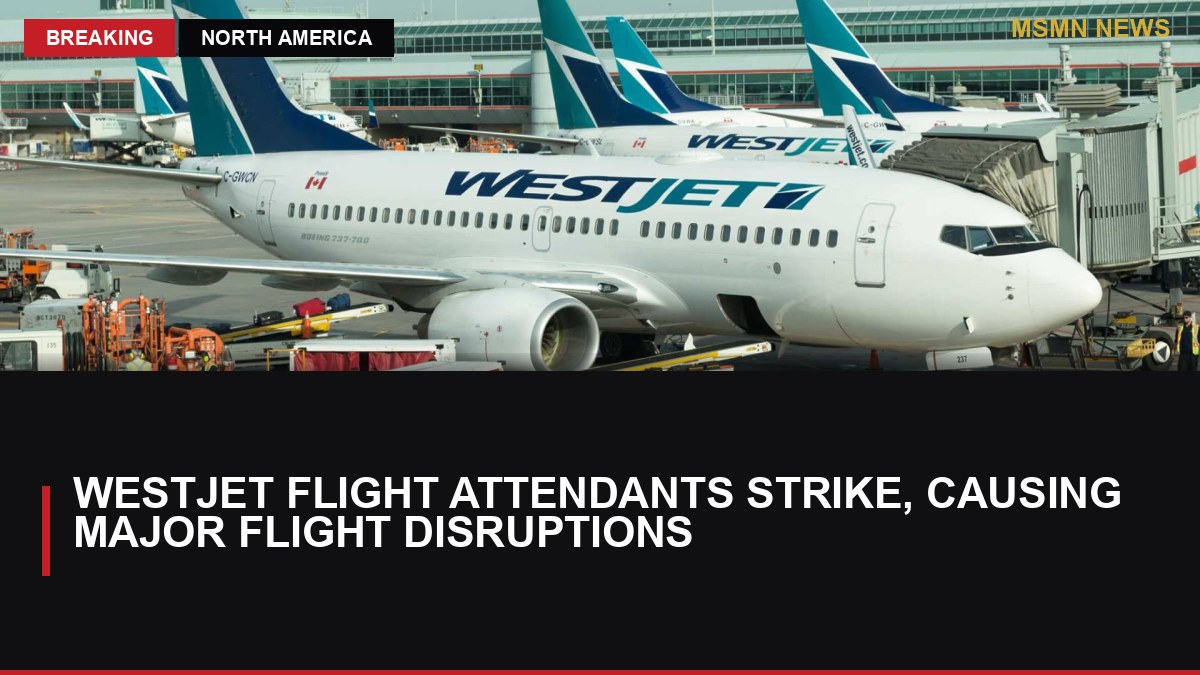
WestJet Airlines is facing significant operational disruptions as flight attendants strike following failed contract negotiations. The strike has led to hundreds of flight cancellations, affecting thousands of travelers.
- Jason Statham's $530 Million Sci-Fi Franchise Leaves HBO Max: MSMN News
- Amit Shah Reviews Security of Siliguri Corridor, Advocates for Triangular Military Grid: MSMN News
- Labour Court Ruling on Firefighter Retirement Ages: MSMN News
- Tom Hardy's $478 Million Sci-Fi Action Film Departing Netflix: MSMN News
- Nintendo's Exciting New Exclusive Set for Switch 2 Release This September: MSMN News
WestJet Flight Attendants Walk Off the Job
WestJet Airlines is grappling with a major disruption in operations after its Flight Attendants initiated a strike on Sunday morning. This decision followed a breakdown in contract negotiations between the airline and the union representing its flight attendants. The strike has resulted in the cancellation of hundreds of flights, leaving many travelers stranded or in limbo.
As of mid-morning on Sunday, aviation analytics company Cirium reported that WestJet had canceled at least 615 flights. This situation has raised concerns for travelers who had made plans with the airline, particularly during the busy travel season. The strike has drawn attention not only for its immediate impact on passengers but also for the broader implications it may have on labor relations in the Airline Industry.
Background of the Dispute
The Strike comes after months of negotiations between WestJet and the United Flight Attendants of WestJet (UFAW), which represents approximately 1,800 flight attendants. The union has been pushing for better working conditions, increased pay, and improved job security. However, the two sides were unable to come to a consensus, prompting the union to call for a strike.
The dispute is rooted in a broader context of labor negotiations within the airline industry, which has faced significant challenges in recent years. Many airlines have been under pressure to improve conditions for their employees, especially in the wake of the COVID-19 pandemic, which led to layoffs and changes in work environments. As travel demand surged again, so did the need for airlines to address the concerns of their workforce.
Historical Context
To understand the current situation at WestJet, it is essential to consider the historical context of labor relations within the airline industry. The pandemic had a profound impact, leading to significant layoffs and changes in operational protocols. Flight attendants, who play a crucial role in ensuring passenger safety and comfort, have been particularly vocal about their experiences during this tumultuous period.
In the years leading up to the pandemic, many airline employees had seen wage stagnation despite rising costs of living. The pandemic exacerbated these issues, with many workers experiencing furloughs and reduced hours. As travel began to rebound, the demand for labor in the airline industry surged, putting additional pressure on airlines to negotiate fair contracts with their employees.
Impact on Travelers
The immediate effect of the strike has been felt by thousands of travelers. Many passengers found themselves at airports with canceled flights, leading to frustration and confusion. WestJet has stated that it is working to rebook affected passengers and minimize disruptions where possible. However, the scale of cancellations has made this a daunting task.
Travelers have taken to social media to express their dissatisfaction, sharing stories of missed connections and the challenges of finding alternative transportation. The airline has advised passengers to check their flight status online and to stay updated on any developments regarding the strike.
In addition to the emotional toll, the financial implications for travelers are significant. Many have incurred additional costs related to hotel stays, meals, and alternative travel arrangements, further complicating an already stressful situation. The ripple effect of these cancellations is likely to be felt for days, if not weeks, as travelers scramble to adjust their plans.
Union's Position
The United Flight Attendants of WestJet has been vocal about the reasons behind the strike. Union leaders argue that flight attendants have been underpaid and overworked, especially given the demands of their roles. They emphasize that flight attendants are critical to the safety and comfort of passengers, and they deserve fair compensation for their work.
In a statement, the union expressed disappointment over the airline's unwillingness to meet their demands during negotiations. They believe that adequate staffing levels and fair wages are essential not only for the well-being of flight attendants but also for the overall safety and experience of passengers. The union has also highlighted the importance of mental health and well-being for flight attendants, particularly in a high-stress environment like air travel.
WestJet's Response
WestJet, on the other hand, has stated that it values its employees and is committed to providing competitive compensation and benefits. The airline has pointed out that it has made several proposals to the union that it believes are fair and reasonable. However, negotiations have stalled, leading to the current strike situation.
The airline's management has expressed hope that negotiations can resume and that a resolution can be reached swiftly. They have also reassured customers that they are doing everything possible to mitigate the impact of the strike. WestJet has implemented measures to assist affected passengers, including offering refunds and rebooking options, though the sheer volume of cancellations has made this process challenging.
Broader Implications for the Airline Industry
This strike at WestJet is not an isolated incident. It reflects a growing trend within the airline industry where workers are increasingly demanding better pay and working conditions. As airlines recover from the financial fallout of the pandemic, labor relations are becoming a focal point of discussion.
Several other airlines have faced similar strikes or labor disputes in recent months, signaling a shift in the balance of power between management and workers. Employees are more willing to stand up for their rights, especially as the job market tightens and labor shortages become more pronounced. This trend may lead to a re-evaluation of labor relations strategies across the industry, as airlines recognize the importance of maintaining a satisfied and motivated workforce.
Public Reaction
Public reaction to the strike has been mixed. While many sympathize with the flight attendants' plight, others are frustrated by the disruptions to their travel plans. Social media has been rife with posts from travelers expressing their anger at both the airline and the union. Some have called for better communication from WestJet regarding flight statuses and rebooking options.
Travel experts advise passengers to remain patient and to keep an eye on updates from the airline. They recommend that travelers explore alternative flight options or consider other modes of transportation if their travel plans are affected. The situation has also prompted discussions about the broader implications of labor disputes in the airline industry and how they may affect future travel plans for consumers.
Next Steps
As the strike continues, the future of negotiations remains uncertain. Both sides have indicated a willingness to return to the bargaining table, but a timeline for when that might happen is unclear. The union has stated that it will remain on strike until a satisfactory agreement is reached.
Travelers are encouraged to stay informed about the ongoing situation and to check with WestJet for updates on flight statuses. The airline has set up a dedicated website and hotline for affected passengers to assist with rebooking and provide information about their rights during this disruption.
In the meantime, the situation at WestJet serves as a reminder of the ongoing challenges within the airline industry and the importance of labor relations. As negotiations continue, the outcome may set a precedent for other airlines facing similar labor disputes in the future.
Conclusion
The strike by WestJet flight attendants has created significant disruptions in the airline's operations, affecting thousands of travelers. With negotiations stalled, both the airline and the union face pressure to resolve the situation quickly. The outcome of this dispute could have lasting implications for labor relations within the airline industry, as workers continue to advocate for better conditions and compensation. As the situation develops, all eyes will be on WestJet to see how they navigate this critical juncture in their operations.
Source / Reference
Reporting by MSMN News, based on publicly available source material.
Source: CNBC Top News
Reference link: https://www.cnbc.com/2026/08/02/westjet-flight-attendants-go-on-strike-after-talks-fall-through.html
Recommended products


 Editor's choice
Affiliate disclosure: MSMN may earn from qualifying purchases. Prices and availability may change.





Comments