
Greece Faces Ongoing Wildfire Crisis: MSMN News
Follow MSMN
Official channels from Martins Studio Media Network.

As Greece battles its second consecutive week of wildfires, the situation remains critical with extensive firefighting efforts underway. The fires, fueled by extreme heat and dry conditions, have had a devastating impact on local communities and the environment.
- Nepali man mourns more than 100 friends and neighbours swept away in floods: MSMN News
- Schools to close early for A66 crash funeral: MSMN News
- UN Warns of Strong El Niño Conditions Lasting Until February: MSMN News
- Norway Weighs Ban on Camera-Equipped Wearable Glasses: MSMN News
- Singapore and Thailand Forge Agreement to Enhance Social Sector Collaboration: MSMN News
Greece's Wildfire Emergency
Greece is currently in the grips of a wildfire crisis that has persisted for two weeks, prompting urgent responses from Firefighting teams and government officials. The most severe fires are raging near the villages of Kandyli Megara and Agia Skepi, situated about 50 kilometers west of Athens. The Greek fire department has confirmed the situation is critical, with extensive efforts underway to contain the flames.
### Origins of the Fires
The wildfires in Greece have been fueled by a combination of extreme heat and dry conditions, which have become increasingly common in recent years due to Climate Change. The summer of 2023 has seen record temperatures, pushing the fire risk to alarming levels. In addition to the natural factors, human activities such as land clearing and agricultural burning have also contributed to the outbreak of these blazes.
This year, Greece has experienced one of the hottest summers on record, with temperatures soaring above 40 degrees Celsius (104 degrees Fahrenheit) in many regions. The prolonged heatwave has dried out vegetation, turning it into tinder for the Wildfires. Additionally, the lack of rainfall in the preceding months has created a perfect storm for these fires to ignite and spread rapidly.
### Firefighting Efforts
According to Yannis Artopios, a spokesperson for the fire department, resources are being stretched thin as firefighters battle multiple fronts. Ground crews are working tirelessly, while aerial units drop water on the most dangerous hotspots. The Greek government has mobilized additional resources, including firefighters from neighboring countries, to assist in the containment efforts.
The challenges are significant. Steep terrain and strong winds are complicating the firefighting operations. The rugged landscape makes it difficult for ground teams to access some of the areas where the fires are most intense. Firefighters are also facing the risk of sudden flare-ups, which can change the course of the fire and endanger their safety.
In a coordinated effort, the Greek government has deployed more than 1,000 firefighters, alongside volunteer units and military personnel. Firefighting aircraft from countries such as Italy and Spain have also joined the battle, providing much-needed aerial support. The collaboration among European nations highlights the shared commitment to combating wildfires, which have become a common threat across the Mediterranean region.
### Impact on Communities
The wildfires have already had a devastating impact on local communities. Residents of Kandyli Megara and Agia Skepi have been evacuated as a precautionary measure. Many families have had to leave their homes behind, taking only essential belongings. Local authorities are working to provide temporary shelter and support for those displaced by the fires.
The emotional toll on these communities is immense. Families are not only facing the loss of their homes but also the destruction of their livelihoods. Many locals depend on agriculture and tourism, both of which are at risk due to the ongoing crisis. The fear of losing everything has left many feeling helpless and anxious about the future.
Some evacuees have reported receiving assistance from local charities and organizations, which have stepped up to provide food, clothing, and psychological support. Community centers have transformed into shelters, offering a safe haven for those who have been forced to flee their homes. However, the need for resources is overwhelming, and local officials are calling for more donations and support from the broader public.
### Environmental Consequences
Beyond the immediate human impact, the environmental consequences of the wildfires are severe. Greece's rich biodiversity is under threat, as flames consume vast areas of forest and wildlife habitats. The loss of vegetation can lead to soil erosion, further complicating recovery efforts in the aftermath of the fires. The long-term effects on the ecosystem could take years to fully understand, with potential damage to flora and fauna that may not be easily reversible.
The fires have already destroyed thousands of hectares of forest land, which serves as a crucial habitat for various species, including endangered ones. Experts warn that the loss of biodiversity can disrupt ecological balance, leading to further challenges in conservation efforts. The smoke from the fires also contributes to air pollution, posing health risks to residents and firefighters alike.
### Public Response and Government Actions
In response to the ongoing crisis, the Greek government has been proactive in addressing the needs of affected communities. Prime Minister Kyriakos Mitsotakis has expressed solidarity with those impacted by the fires and has promised that the government will provide support for recovery efforts. This includes financial assistance for rebuilding homes and infrastructure.
Public response has been mixed. While many citizens have rallied to support those affected, there is also growing frustration regarding the government's preparedness for such disasters. Critics argue that more should have been done to prevent the fires, citing inadequate forest management and insufficient investment in firefighting resources.
Moreover, environmental activists have called for a reevaluation of land use policies, emphasizing the need for sustainable practices that prioritize forest conservation. The debate surrounding climate change and its impact on natural disasters has intensified in light of these wildfires, prompting discussions about the need for comprehensive policies that address both prevention and recovery.
### Looking Ahead
As the situation continues to evolve, the Greek government is focusing on immediate containment efforts while also planning for long-term recovery. The potential for further wildfires remains high, especially if the heatwave persists. Authorities are urging residents to remain vigilant and prepared for possible evacuations.
The coming days will be critical in determining the extent of the damage and the effectiveness of firefighting efforts. As Greece battles these wildfires, the situation serves as a stark reminder of the challenges posed by climate change and the need for comprehensive strategies to address environmental disasters.
Looking ahead, the government is also expected to review its disaster response protocols and invest in better firefighting technology and infrastructure. The lessons learned from this crisis could shape future policies aimed at mitigating the impact of wildfires, not only in Greece but across Europe.
### Conclusion
The wildfires in Greece are a complex crisis that underscores the intersection of environmental factors, community resilience, and governmental response. As the country faces this ongoing challenge, the priority remains on protecting lives and property while also planning for a sustainable recovery. The impact of these fires will be felt far beyond the immediate aftermath, shaping Greece's landscape and communities for years to come. The hope is that through collaboration and proactive measures, Greece can emerge from this crisis stronger and more prepared for the future.
Source / Reference
Recommended products
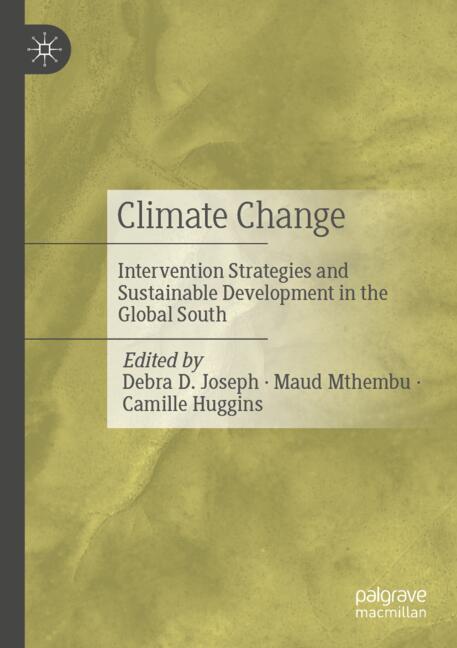
SpringerNatureLink Shop INT
Climate Change
Approx. EUR 176.79 Final price on merchant site
2 merchants

 Editor's choice
Affiliate disclosure: MSMN may earn from qualifying purchases. Prices and availability may change.


Comments