
Researchers Discover Breastmilk Protein That Boosts Infant Immunity: MSMN News
Follow MSMN
Official channels from Martins Studio Media Network.
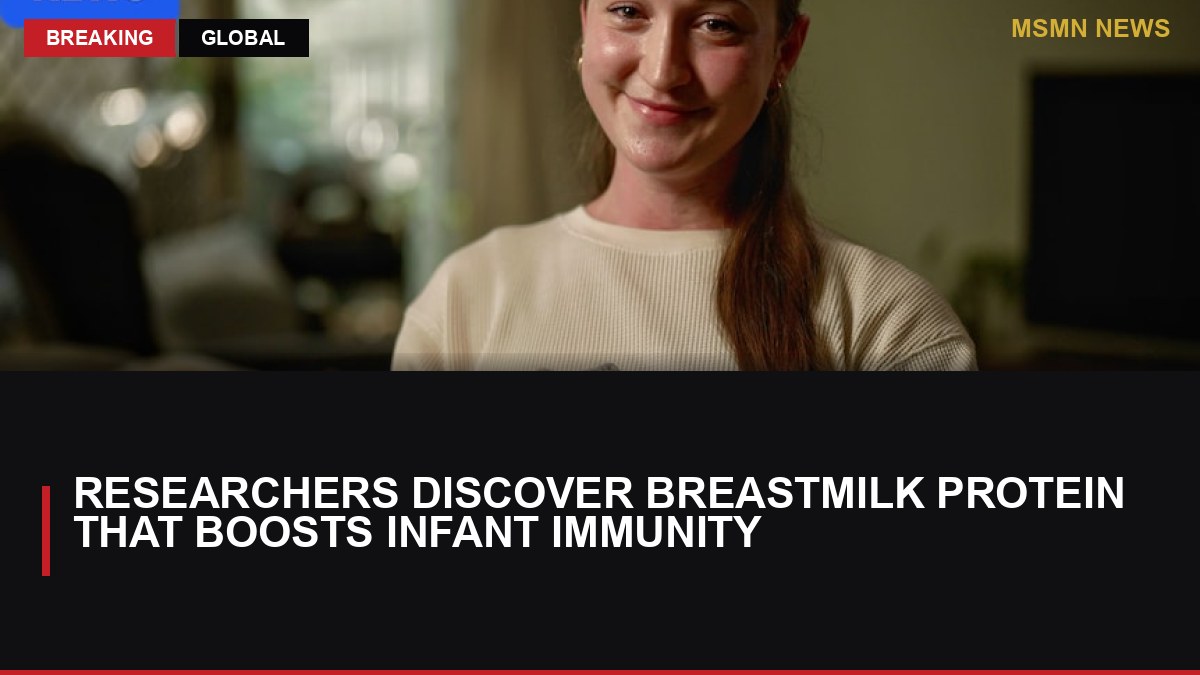
An international team of researchers has identified a protein in breastmilk, osteopontin, that enhances infant immune system development, potentially transforming infant health approaches.
- Opposition Calls for ICC Investigation into Rising Political Violence in Kenya: MSMN News
- Silo Unveils the Truth Behind Orla Kent's Murder in Season 3: MSMN News
- The Great Wall's Streaming Comeback: MSMN News
- Dave Bautista Takes Over as Kratos in God of War Series: MSMN News
- Marvel Studios Announces Countdown to Avengers: Doomsday Podcast: MSMN News
Introduction
In a significant breakthrough for Infant Health, an international team of researchers has identified a protein in breastmilk that appears to enhance the immune system of newborns. This discovery could have profound implications for understanding how breastmilk protects infants from illnesses, particularly respiratory infections.
Breastfeeding has long been recognized as vital for infant health, but this new research shines a light on the specific mechanisms at play. The protein, known as osteopontin, is believed to activate a series of biological processes that are essential for the development of a robust immune system in early life.
The Role of Osteopontin
Osteopontin is a glycoprotein that is found in various tissues and fluids in the body, and it plays a critical role in immune regulation. In the context of breastmilk, researchers found that osteopontin triggers immune responses that help the body defend against pathogens. This discovery is particularly relevant as respiratory infections remain one of the leading causes of illness in infants worldwide.
The research team conducted experiments that demonstrated how osteopontin interacts with immune cells in the developing infant. The results indicate that this protein not only supports the growth of immune cells but also helps them function more effectively. This could explain why breastfed infants often exhibit stronger immune responses compared to those who are formula-fed.
Study Details
The study involved collaboration among scientists from various countries, highlighting the global interest in understanding the health benefits of breastmilk. Researchers utilized advanced techniques to isolate osteopontin from breastmilk samples and then examined its effects on immune cell development in the laboratory.
Through a series of tests, they observed that osteopontin significantly influenced the maturation of immune cells known as T cells. These cells play a vital role in the immune response by identifying and attacking pathogens. The findings suggest that the presence of osteopontin in breastmilk may provide infants with a crucial advantage in building their immune systems during the early months of life.
Implications for Infant Health
The implications of this research extend beyond the laboratory. By understanding how breastmilk components like osteopontin enhance Immunity, healthcare providers can better advocate for breastfeeding as a vital component of infant care. This is particularly important in regions where access to healthcare may be limited, as breastfeeding can serve as a natural means of improving infant health outcomes.
Additionally, the findings could pave the way for the development of new nutritional interventions for infants who cannot be breastfed. For instance, formula manufacturers might explore ways to incorporate osteopontin or similar proteins into infant formulas to mimic the immune-boosting properties of breastmilk.
Public Reaction
The discovery has garnered attention from medical professionals and parents alike. Many pediatricians are emphasizing the importance of breastfeeding, particularly in light of this new evidence. Parents are encouraged to consider the long-term health benefits that breastfeeding can provide, especially in reducing the risk of respiratory infections.
Social media platforms have seen discussions around the study, with many parents sharing their experiences with breastfeeding and the health of their children. Some have expressed gratitude for the new knowledge, while others are advocating for more support for breastfeeding mothers. This community dialogue reflects a growing awareness and appreciation for the complexities of maternal nutrition and infant health.
Next Steps in Research
While the current findings are promising, researchers acknowledge that further studies are needed to fully understand the mechanisms by which osteopontin operates. Future research will likely focus on clinical trials to determine how the protein can be utilized in various healthcare settings.
Additionally, scientists may explore the potential for osteopontin to be used in treating respiratory infections in infants and young children. Understanding the full range of benefits that breastmilk provides could lead to innovative approaches in pediatric healthcare.
Broader Context of Breastfeeding
Breastfeeding is not only a source of nutrition for infants but also a critical aspect of maternal health. The World Health Organization (WHO) recommends exclusive breastfeeding for the first six months of life, emphasizing its role in reducing infant mortality and morbidity. The new findings regarding osteopontin reinforce the importance of this recommendation, as they provide a deeper understanding of how breastfeeding contributes to the overall health of both infants and mothers.
The global health community has long advocated for breastfeeding, citing its numerous benefits. Breastmilk contains antibodies and other immunological factors that help protect infants from infections and diseases. Osteopontin's role in this process adds a new layer of understanding, potentially influencing public health policies and breastfeeding support initiatives worldwide.
Challenges and Considerations
Despite the clear benefits of breastfeeding, many mothers face challenges that can hinder their ability to breastfeed successfully. Issues such as lack of support, medical complications, and societal pressures can create barriers. As awareness of the importance of proteins like osteopontin grows, it may lead to increased advocacy for better breastfeeding support systems, both in healthcare settings and through community programs.
Moreover, the research highlights the need for continued education for healthcare professionals regarding the benefits of breastfeeding and the specific components that contribute to infant health. This knowledge can empower healthcare providers to offer informed guidance to new parents, ensuring they understand the critical role that breastmilk plays in their child's development.
Conclusion
The identification of osteopontin as a key player in immune development underscores the importance of breastfeeding in early life. As researchers continue to investigate the complexities of breastmilk, this study serves as a reminder of the natural advantages that breastfeeding offers to both infants and mothers. The findings not only reinforce the recommendation for breastfeeding but also open the door to potential advancements in infant nutrition and healthcare.
As society continues to grapple with health challenges, understanding and promoting the benefits of breastfeeding could be a crucial step in improving the health of future generations. This research represents a significant step forward in our understanding of maternal nutrition and its lasting impact on child health.
The ongoing dialogue around breastfeeding and its benefits will likely gain momentum as more studies emerge, further solidifying its role as a cornerstone of infant health. As the medical community and society as a whole embrace this knowledge, the hope is that more parents will be encouraged to choose breastfeeding, ensuring that infants receive the optimal start to their lives.
In summary, as we look toward the future, the implications of osteopontin’s discovery extend far beyond individual health; they touch upon global health initiatives aimed at reducing infant mortality and enhancing the quality of life for the youngest members of our society.
Source / Reference
Reporting by MSMN News, based on publicly available source material.
Source: ABC Australia
Reference link: https://www.abc.net.au/news/2026-08-04/qld-breastmilk-research-respiratory-infections/106989944
Recommended products
 -39%
-39%
OnBuy.com
Wall phone, wired phone, landline phone, home phone, Black
Approx. GBP 27.68
45.67
Final price on merchant site

 Editor's choice
Affiliate disclosure: MSMN may earn from qualifying purchases. Prices and availability may change.


Comments