
Debate Ignites Over Irish Neutrality as NATO Chief Calls for Discussion: MSMN News
Follow MSMN
Official channels from Martins Studio Media Network.
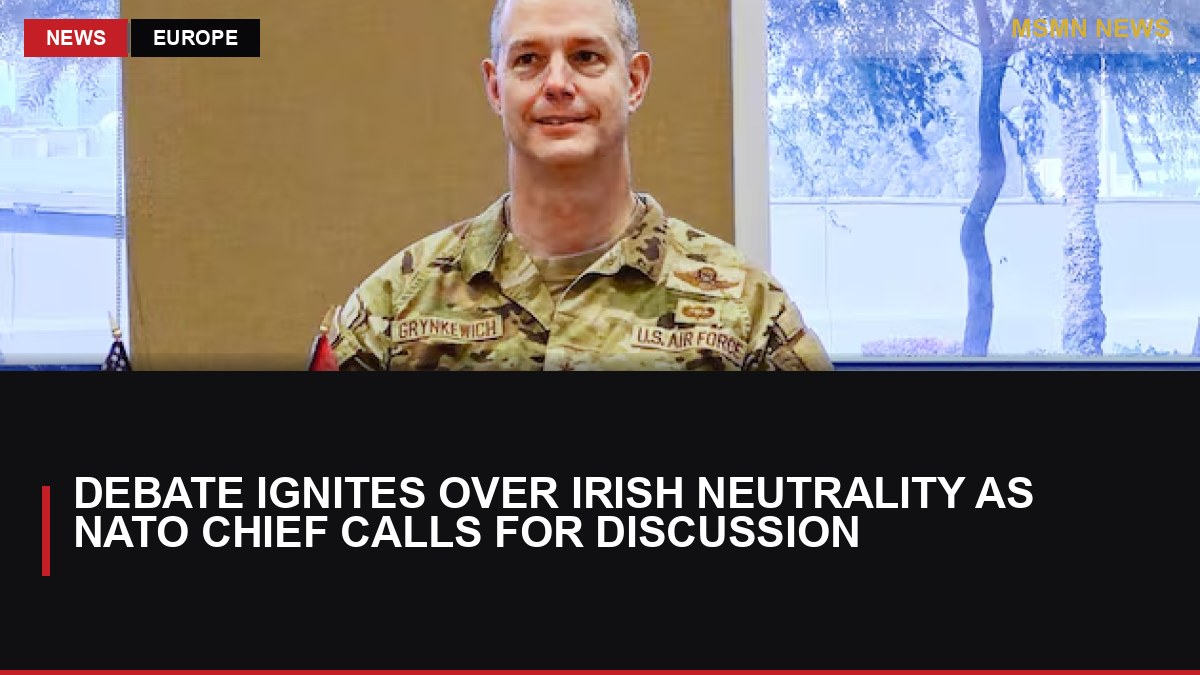
General Alexus Grynkewich, NATO's chief of Allied Air Command, has sparked a national conversation about the future of Ireland's long-standing neutrality amid rising global tensions and security challenges.
- Concerns Grow Over U.S. Support for Hamas at the Expense of Palestinian Authority: MSMN News
- Tensions Rise Between Netanyahu and Kushner Over Military Strategy: MSMN News
- IDF Strikes Hamas Commanders Meeting Near Gaza Port: MSMN News
- Tensions Rise in the Strait of Hormuz as Trump Advocates for U.S. Control: MSMN News
- The Surprising Reason 'Pokémon' Fans Are Giving The 30th Anniversary's "Ugly" Cards A Second Chance: MSMN News
In a significant development that could reshape Ireland's long-standing stance on Neutrality, General Alexus Grynkewich, the chief of NATO's Allied Air Command, has urged for an open discussion regarding the effectiveness and future of the country's neutral position in an increasingly volatile world. This call comes amidst rising global tensions and military posturing by various nations, prompting a reevaluation of traditional foreign policies, particularly those held by smaller nations like Ireland.
The backdrop of this conversation is rooted in a historical context where Ireland has maintained a policy of neutrality for decades, choosing to remain uninvolved in military alliances since its independence. This neutrality has been a point of pride for many Irish citizens, symbolizing a commitment to peace and non-alignment. However, as the geopolitical landscape shifts, with threats emerging from state and non-state actors alike, the relevance of such a stance is being questioned.
General Grynkewich's remarks were made during a recent address where he emphasized that the changing dynamics of global Security necessitate a reevaluation of Ireland's position. He highlighted that while neutrality has served Ireland well in the past, the current international climate, characterized by increased aggression from countries such as Russia and China, may require a different approach. "This is an important conversation to be had among the Irish people," Grynkewich stated, advocating for a thorough examination of how Ireland can best protect its interests in a world marked by uncertainty.
The general's comments reflect a broader sentiment within NATO, particularly as the alliance grapples with its own identity and purpose in the wake of various security challenges. With the war in Ukraine and rising tensions in the Indo-Pacific region, NATO is encouraging member and partner nations to consider their defense strategies comprehensively. Grynkewich's call for dialogue is not merely about Ireland's military alignment but rather about exploring how the nation can contribute to collective security while respecting its historical commitments.
Irish officials have responded cautiously to the general's remarks. The government has reiterated its commitment to neutrality, emphasizing that this policy is not up for debate. However, the political climate is shifting, with some factions within the Irish Parliament advocating for a more proactive engagement with international security frameworks, including NATO. This internal debate is further fueled by public discourse, with citizens expressing a range of opinions on the matter. Some view neutrality as outdated in the face of modern threats, while others firmly believe in its continued importance as a cornerstone of Irish identity.
The conversation surrounding Irish neutrality is not new, but it has gained momentum in recent years, particularly as global conflicts have escalated. There is a growing recognition that Ireland's geographic position and historical context may necessitate a reassessment of its defense policies. Advocates for change argue that engaging with NATO and other military alliances could enhance Ireland's security and provide a platform for greater influence in international affairs. They point to the benefits of collective defense, suggesting that shared resources and intelligence could better equip Ireland to address emerging threats.
On the other hand, opponents of this shift argue that Ireland's neutrality is integral to its national identity and has fostered a reputation as a peace-loving nation. They warn against the potential consequences of abandoning this stance, suggesting it could lead to increased militarization and entanglement in foreign conflicts. The debate is further complicated by Ireland's historical experiences with colonialism and militarization, which shape public sentiment towards military alliances.
As the discourse unfolds, it is clear that the implications of a shift in Ireland's stance on neutrality could be profound. Such a change would not only affect Ireland's foreign relations but could also alter the perception of the country on the global stage. The potential for increased military cooperation with NATO could lead to deeper ties with the United States and other Western powers, which may in turn influence Ireland's domestic politics and public opinion.
Moving forward, the Irish government is likely to face pressure to address these concerns, balancing national pride in neutrality with the practical realities of modern security threats. The upcoming discussions in Parliament are expected to be closely watched, as they will provide insight into the direction Ireland may take regarding its defense policy. Public forums and debates will likely emerge, reflecting the diverse opinions of the Irish populace and the importance of democratic engagement in shaping national security policies.
As the world continues to change, the question of Irish neutrality remains a significant one. General Grynkewich's call for a national conversation is a reminder that even long-held policies may need to be revisited in light of new challenges. The outcome of this discourse will not only define Ireland's future role in global security but will also test the resilience of its national identity in a complex and often dangerous world. The stakes are high, and the path forward will require careful consideration of both historical values and contemporary realities, as Ireland navigates its place in a rapidly evolving international landscape.
In conclusion, the dialogue initiated by NATO's leadership marks a pivotal moment for Ireland, as it stands at the crossroads of tradition and modernity in its foreign policy. The coming months will be critical in determining whether the nation chooses to maintain its long-standing neutrality or adapt to the shifting tides of global security dynamics. As both the government and the public engage in this vital conversation, the future of Irish neutrality hangs in the balance, awaiting the collective voice of its people to guide the way forward. The implications of this discussion extend beyond mere policy; they touch upon the very essence of what it means to be Irish in a world that is increasingly interconnected yet fraught with peril. As Ireland contemplates its next steps, the eyes of the world will be watching closely, eager to see how this nation of poets and dreamers will respond to the call of history and the demands of the present.
Source / Reference
Reporting by MSMN News, based on publicly available source material.
Source: Irish Times
Reference link: https://www.irishtimes.com/ireland/2026/08/12/nato-chief-calls-for-conversation-on-usefulness-of-irish-neutrality-in-changing-world/
Recommended products
OnBuy.com
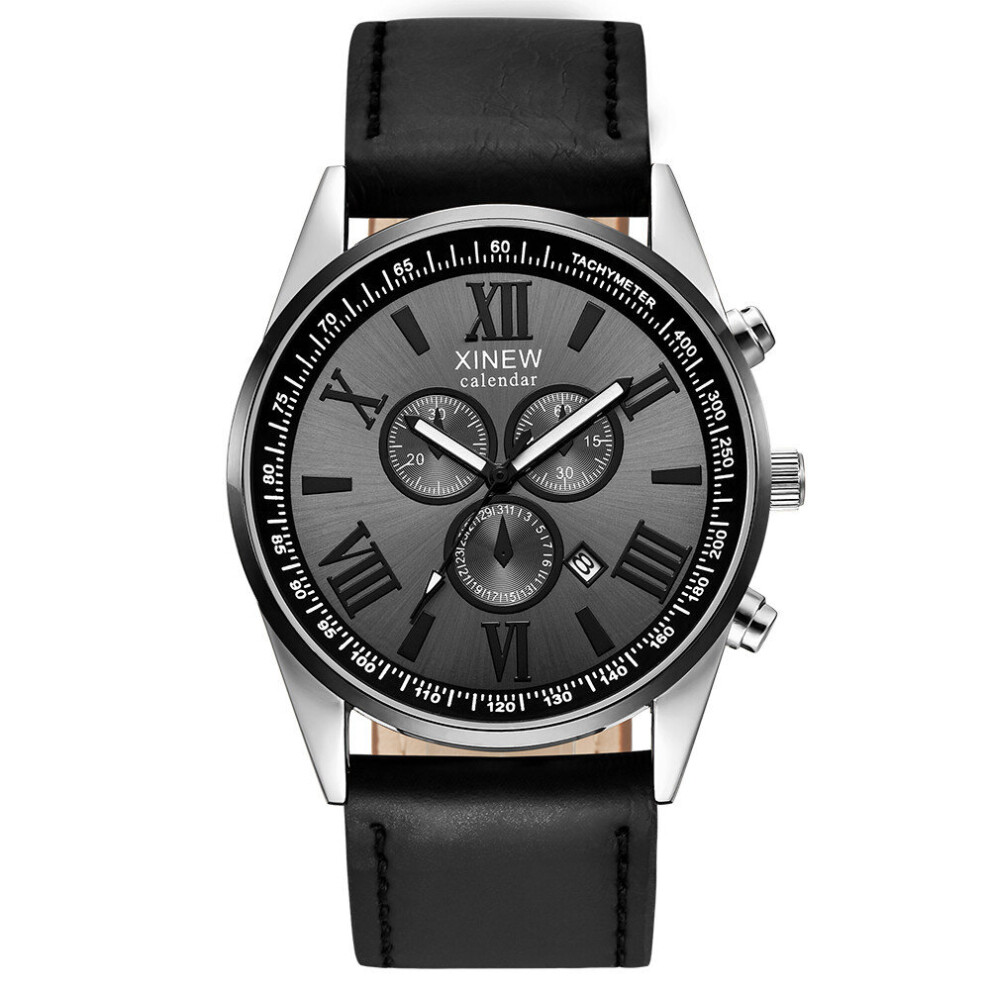
Watch Men's Fashion Leather Strap Sports Date Watch Quartz Watch Watch Sports Watch Clock
Approx. GBP 16.70 Final price on merchant site


Affiliate disclosure: MSMN may earn from qualifying purchases. Prices and availability may change.


Comments