
Drought Conditions Persist in Ireland Despite Cooling Temperatures: MSMN News
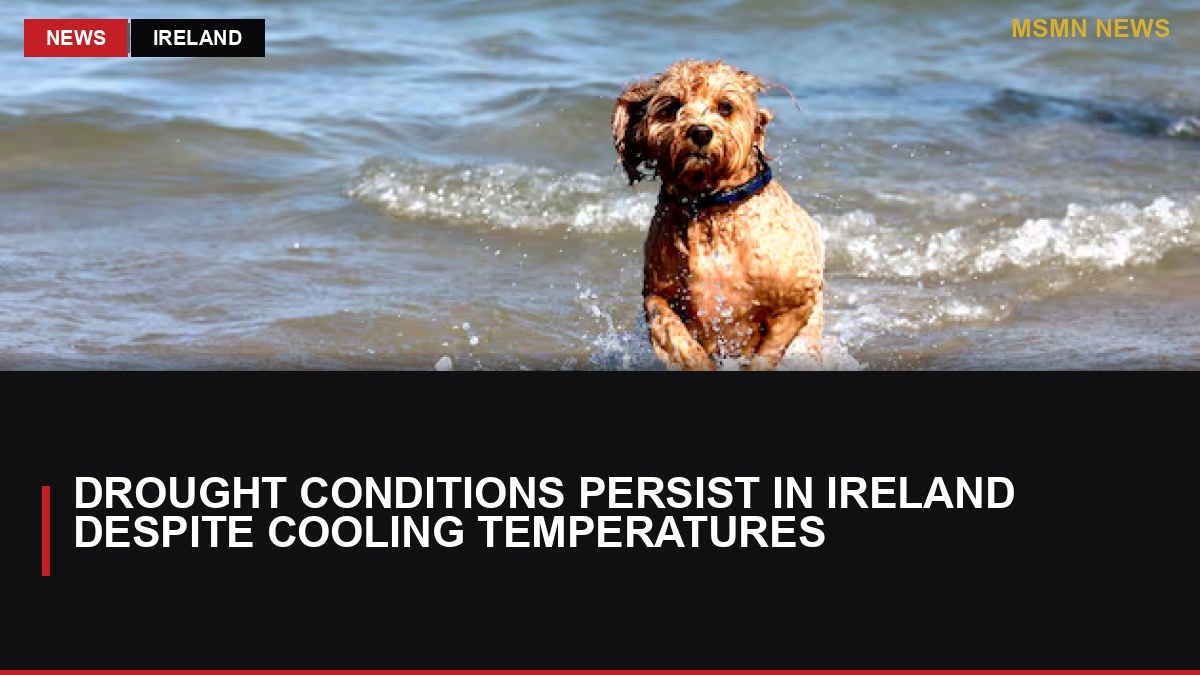
As Ireland experiences a drop in temperatures, drought conditions continue to plague the agricultural sector, prompting farmers to adapt their practices to cope with the ongoing crisis.
- PFA Initiates Legal Action Against EFL Over League One Salary Cap Changes: MSMN News
- Trump Administration Limits Medicaid Funding for Transgender Youth Treatment: MSMN News
- 10 HBO Shows That Are the Perfect Weekend Binge: MSMN News
- Ted Lasso Season 4 Soars to Streaming Success: MSMN News
- Cillian Murphy Shines in Cult Action Comedy 'Free Fire': MSMN News
Ireland is currently witnessing a significant shift in weather patterns as a wave of heat begins to recede; however, the country remains entrenched in a troubling drought that has left many agricultural communities grappling with significant challenges. Farmers across various counties are feeling the pinch, as the prolonged dry spell has severely impacted grass growth, leading many livestock producers to resort to feeding winter silage to their animals—a practice typically reserved for the colder months. This alarming situation raises serious concerns about the sustainability of farming practices in the face of changing climatic conditions.
The recent high temperatures, which soared above seasonal averages, have left their mark on the landscape, drying up pastures that are crucial for livestock grazing. As a result, farmers are now faced with the daunting task of managing their feed supplies more carefully than ever. The lack of sufficient rainfall has not only affected the quality of the grass but has also diminished the overall yield, forcing farmers to look for alternative feeding options to maintain the health and productivity of their herds.
In many regions, particularly in the midlands and southern parts of the country, the Drought has been particularly severe. Reports indicate that grass growth in these areas has been stunted, with some farmers noting that the lush green fields they are accustomed to have turned brown and parched. The situation is so dire that many are now relying on silage, which is typically stored for winter months, to sustain their livestock through this uncharacteristically dry summer. This shift in feeding practices not only affects the immediate welfare of the animals but also raises questions about the long-term viability of traditional farming methods in Ireland.
The implications of this drought extend beyond immediate feed shortages. Livestock farmers are increasingly concerned about the long-term effects on their operations. With the cost of feed rising and the availability of natural grazing resources dwindling, many are left wondering how they will manage their farms sustainably moving forward. The financial strain is palpable, as farmers struggle to balance their budgets while ensuring their animals receive adequate nutrition. This precarious situation has led to a growing sense of urgency among farmers, who are now seeking innovative solutions to mitigate the impact of the drought.
The government and agricultural organizations are beginning to take note of the crisis. In response to the ongoing drought, discussions are underway regarding potential support measures for affected farmers. These could include financial assistance programs or resources aimed at helping farmers adapt to the changing climate conditions. However, the effectiveness and timeliness of such measures remain to be seen, as the drought's impact continues to unfold across the country. Farmers are looking for quick and effective responses to their plight, hoping that the government will recognize the severity of the situation and act accordingly.
As the temperatures cool, the hope for much-needed rain has become a pressing concern. Meteorologists have indicated that while the extreme heat may be subsiding, there are no immediate signs of significant rainfall that could alleviate the drought conditions. This lack of precipitation is particularly alarming, as farmers need a substantial amount of rain to restore grass growth and replenish water supplies. Without this vital resource, the agricultural sector may face even more severe repercussions, including potential losses in livestock health and productivity, which could further exacerbate the food supply issues facing the nation.
The public reaction to the drought has been mixed. While many citizens are relieved to see the temperatures drop, there is an underlying anxiety about the potential long-term effects on food supply and prices. Farmers are vocal about their struggles, sharing their stories on social media and in community meetings, advocating for greater awareness of the challenges they face. The drought has sparked conversations about climate resilience and the need for sustainable farming practices that can withstand such extreme weather events. These discussions are not just limited to farming communities but have also reached urban centers, where consumers are becoming increasingly aware of the challenges that farmers encounter.
Looking ahead, the situation remains precarious. Farmers are bracing for the possibility of a prolonged drought, which could further disrupt their operations and impact the wider agricultural economy. The uncertainty surrounding weather patterns has led many to reconsider their farming strategies, exploring options such as drought-resistant crops or alternative livestock management practices. The need for adaptability has never been more urgent, as farmers strive to navigate the complexities of a changing climate. This adaptability may involve not only changes in crop selection but also investing in technology and practices that enhance water conservation and soil health.
In the meantime, communities are rallying together to support local farmers. Initiatives aimed at promoting local produce and encouraging sustainable practices are gaining traction, as consumers become more conscious of the challenges facing the agricultural sector. By supporting local farms, consumers can play a role in fostering resilience within their communities and ensuring that farmers can continue to provide food despite the adversities they face. Local farmers' markets and community-supported Agriculture programs are becoming increasingly popular as people seek to connect with the sources of their food and understand the challenges involved in its production.
As the situation continues to develop, the focus will remain on how farmers adapt to the ongoing drought and what measures can be implemented to mitigate its effects. The resilience of the agricultural community will be tested in the coming weeks and months, as they navigate the challenges posed by an increasingly unpredictable climate. The hope for rain remains a vital lifeline for many, as they look to the skies for relief from the harsh conditions that have gripped their lands. The collective effort of farmers, policymakers, and consumers will play a crucial role in determining the future of Ireland's agricultural landscape.
In summary, while the recent cool down in temperatures offers a brief reprieve, the drought conditions in Ireland are far from over. Farmers are facing unprecedented challenges as they adapt to a landscape that has been fundamentally altered by Climate Change. The need for support, innovation, and community solidarity has never been more critical as the agricultural sector strives to overcome the trials ahead. The coming weeks will be pivotal as stakeholders across the agricultural spectrum seek to find solutions to the ongoing crisis, with the hope that rain will soon return to nourish the parched fields of Ireland.
Source / Reference
Reporting by MSMN News, based on publicly available source material.
Source: Irish Times
Reference link: https://www.irishtimes.com/ireland/2026/08/14/hot-weather-to-recede-but-little-sign-of-rain-for-drought-affected-counties/
Recommended products

OnBuy.com
Vandalising Ireland: How the Government, NGOs, Academia and the Media Are Engineering a New Globalist Ireland
Approx. GBP 27.51 Final price on merchant site
 Editor's choice

Affiliate disclosure: MSMN may earn from qualifying purchases. Prices and availability may change.



Comments