
Hunger Strikers from Industrial Schools Express Disappointment Over Unfulfilled Promises: MSMN News
Follow MSMN
Official channels from Martins Studio Media Network.
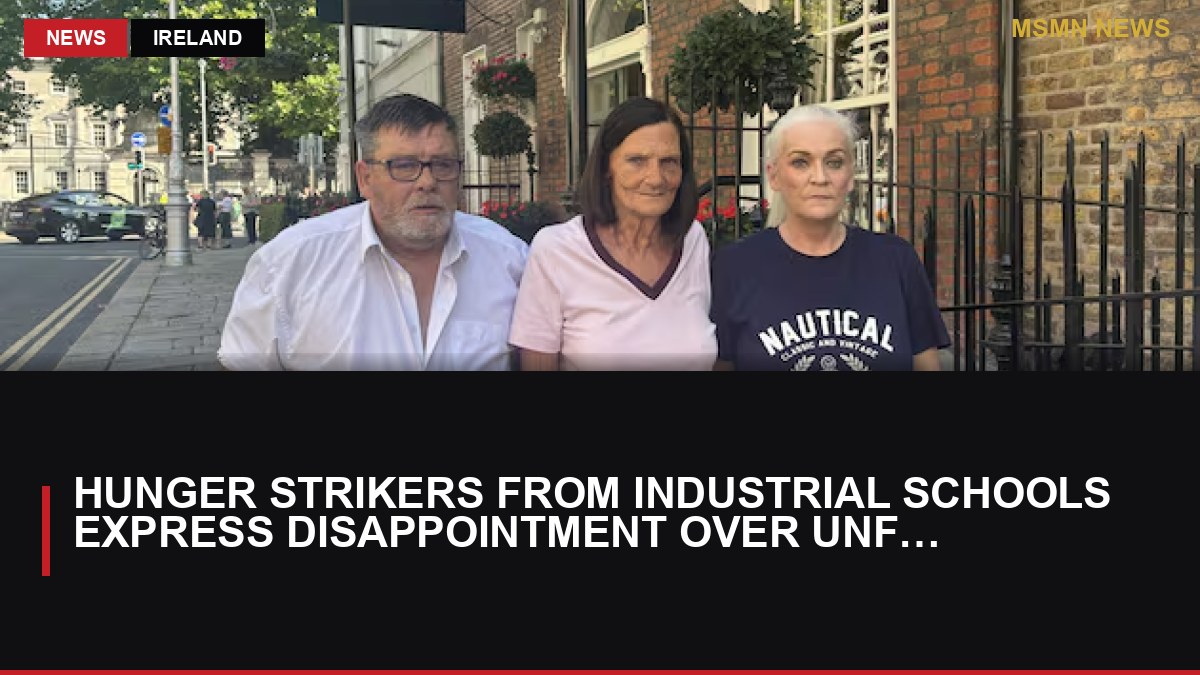
Former residents of Ireland's industrial schools are expressing their discontent over the lack of promised support that has yet to materialize, highlighting the ongoing challenges they face in seeking recognition and support from the state.
- Zambia’s Democratic Facade Fractures in Post-Election Crackdown: MSMN News
- Germany Identifies a Plot After Finding a Weapons Cache, but Names No Culprit: MSMN News
- 5 Deportees Are Flown by US to Equatorial Guinea After they Resist Deplaning in Liberia: MSMN News
- GTA 6 Leaks: The Impact on Rockstar Games' Upcoming Title: MSMN News
- Rahul Gandhi Urges Congress to Oversee Social Media Activity of Party Leaders: MSMN News
In a poignant display of desperation and determination, former residents of Ireland's industrial schools are expressing their discontent over the lack of promised support that has yet to materialize. These individuals, many of whom engaged in hunger strikes earlier this year to bring attention to their plight, feel increasingly marginalized as they await essential financial, housing, and healthcare assistance that the government pledged in February. Their struggle underscores not only the personal toll of their past experiences but also the ongoing challenges they face in seeking recognition and support from the state.
The backdrop to this situation is a long and painful history of institutional abuse in Ireland. For decades, thousands of children were placed in industrial schools, often under harsh conditions and subjected to various forms of maltreatment. In February 2023, Taoiseach Leo Varadkar issued a formal apology to the Survivors, acknowledging the deep scars left by these institutions. This apology was intended as a turning point, a moment of reckoning that would usher in genuine support and resources for those who suffered. However, as time has passed, many survivors have found the response from the government lacking, leading to renewed frustration and a sense of betrayal.
The hunger strikes, which drew significant media attention, were not just acts of protest; they were cries for help from individuals who have endured years of silence and neglect. The strikers hoped to hold the government accountable for its commitments and to ensure that the necessary support systems were put in place. However, as the months have progressed, the promised assistance has not been delivered, leaving many feeling abandoned and disheartened.
Survivors have articulated their feelings of being ‘trodden on’, a sentiment that resonates deeply within their community. They had hoped that the government’s acknowledgment of their suffering would translate into tangible support, but instead, they are left grappling with uncertainty. Many of these individuals are now in their later years, facing health challenges and financial instability, which compounds their distress. The absence of promised resources exacerbates their already vulnerable situations, making it difficult for them to rebuild their lives after the trauma they endured in childhood.
The government’s failure to deliver on its promises has sparked a wider conversation about the treatment of survivors of institutional abuse in Ireland. Advocates for these individuals argue that the state has a moral obligation to provide not only financial assistance but also mental health support and housing solutions. The lack of action raises critical questions about the extent to which the government is willing to follow through on its commitments to those who have suffered so profoundly.
Public reaction to the ongoing situation has been one of empathy and outrage. Many citizens, alongside advocacy groups, are rallying to support the survivors, emphasizing the need for accountability and immediate action from the government. Social media campaigns and community gatherings have emerged, aiming to keep the pressure on officials to fulfill their promises. This grassroots support has been crucial in amplifying the voices of the survivors, reminding the public that their fight for justice is far from over.
As the hunger strikers continue to wait for the assistance they were promised, there is a growing sense of urgency among advocates and supporters. They are calling for a clear timeline for when the government will deliver on its commitments, urging officials to prioritize the needs of those who have suffered for far too long. The survivors are not just seeking financial aid; they are demanding recognition of their pain and a commitment to ensuring that such injustices are never repeated.
The next steps for these hunger strikers and their supporters are uncertain. Many are contemplating further protests or actions to raise awareness of their plight and to hold the government accountable. The hope is that sustained public pressure will compel officials to act swiftly and decisively. For the survivors, every day that passes without action is another reminder of the struggles they have faced and the promises that remain unfulfilled.
As the situation unfolds, it is clear that the journey toward healing and justice is far from complete. The survivors of Ireland’s industrial schools have shown remarkable resilience, but they cannot navigate this path alone. The government’s response in the coming weeks will be critical in determining whether they can finally begin to rebuild their lives with the support they so desperately need. The eyes of the nation remain fixed on this issue, as the stories of these individuals serve as a stark reminder of the past and a call to action for the future. The hope is that their voices will not be silenced and that the government will finally deliver on its promises, allowing these survivors to find some semblance of peace and support in their later years.
In the wake of the ongoing discontent, it remains to be seen how the government will respond. The urgency of the situation cannot be overstated, as the lives of many depend on the actions taken in the coming months. The survivors are not merely statistics; they are individuals with stories, struggles, and a demand for justice that cannot be ignored. As the community rallies around them, the call for accountability and support grows louder, echoing the sentiments of those who have endured far too much for far too long. The question that now looms large is whether the government will take the necessary steps to fulfill its commitments and provide the assistance that these survivors so richly deserve.
The hunger strikes have not only brought attention to the plight of these individuals but have also highlighted the broader societal issues surrounding institutional abuse in Ireland. Many survivors have been vocal about their experiences, sharing harrowing stories of neglect and mistreatment that have haunted them for decades. The emotional scars left by their time in industrial schools are deep, and the struggle for recognition and support is an ongoing battle.
As the hunger strikers continue to advocate for their needs, it is essential for the government to engage with them actively, addressing their concerns and providing a clear framework for the assistance they require. Advocates suggest that this engagement should not only involve financial support but also a comprehensive approach that includes mental health services, housing assistance, and community integration programs that can help survivors rebuild their lives.
Moreover, the government must recognize the importance of transparency in its dealings with survivors. Clear communication regarding timelines and the processes involved in delivering promised support can help rebuild trust between the survivors and the state. This transparency is crucial in ensuring that survivors feel heard and valued, rather than sidelined and ignored.
In the coming months, there will be significant attention on how the government chooses to respond to the mounting pressure from survivors and their advocates. The potential for further protests looms large, as many survivors are determined to continue their fight until they see tangible results. The hunger strikes have galvanized public support, and the momentum for change is palpable.
As Ireland grapples with its past, the plight of these survivors serves as a reminder of the ongoing need for accountability and justice. The government’s actions in the near future will not only impact the lives of the hunger strikers but will also set a precedent for how the state addresses issues of institutional abuse moving forward. The hope is that this moment can be a turning point in the journey toward healing for all those affected by the legacy of industrial schools.
In conclusion, the hunger strikers from Ireland's industrial schools stand at a critical juncture. Their demands for support, recognition, and justice echo the experiences of countless others who have suffered in silence. As their voices grow louder and their resolve strengthens, the government must act swiftly to fulfill its promises. The eyes of a nation are upon them, and the time for action is now. The stories of these survivors deserve to be honored, and their fight for justice must not be in vain.
Source / Reference
Reporting by MSMN News, based on publicly available source material.
Source: Irish Times
Reference link: https://www.irishtimes.com/ireland/education/2026/08/13/industrial-school-hunger-strikers-feel-trodden-on-as-promised-supports-yet-to-arrive/
Recommended products


OnBuy.com
Teardrop Sunglasses Decorative Sunglasses Funny Sunglasses Party Sunglasses Rhinestone Sunglasses
Approx. GBP 13.95 Final price on merchant site

Affiliate disclosure: MSMN may earn from qualifying purchases. Prices and availability may change.



Comments