
Irish Beekeepers Face Drought's Dilemma Amid Record Honey Harvest: MSMN News
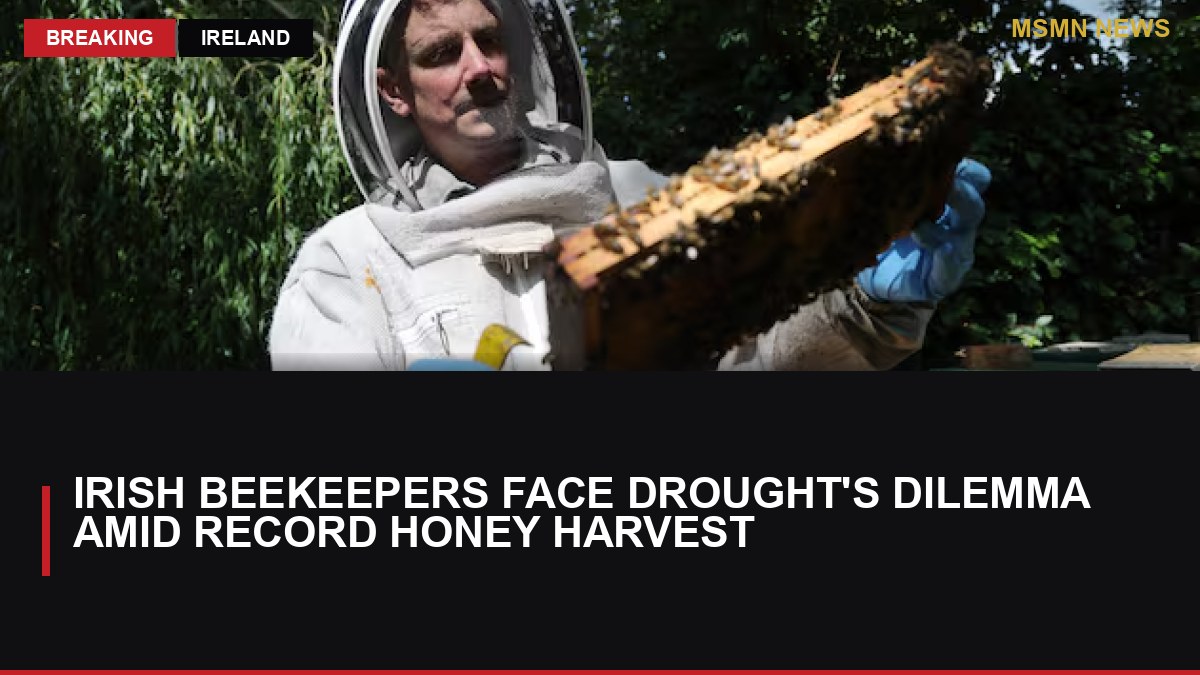
As Irish beekeepers celebrate the best honey harvest in 20 years, they grapple with the harsh realities of drought and its impact on bee populations.
- Community Honors Victims of Australia's Tragic Mining Disaster: MSMN News
- Jeff Bezos and Eduardo Saverin Secure Minority Stake in Liverpool FC: MSMN News
- Ex-Cambridge Professor at Centre of Plagiarism Scandal Found Dead: MSMN News
- Transgender Participation Sparks Debate in WNBA: MSMN News
- Rocky Flintoff Celebrates First Professional Century for Lancashire: MSMN News
In an unexpected twist of fate, Irish beekeepers are experiencing what is being hailed as the best honey harvest in 20 years, even as they confront the harsh realities of a severe drought that is putting immense pressure on their hives. This paradox has sparked a complex discussion within the Beekeeping community, where joy over bountiful honey production is tempered by concern for the well-being of the bees themselves, who are increasingly stressed and struggling to find adequate food supplies due to the lack of rainfall.
The summer of 2023 has been marked by unusually high temperatures and a significant deficit in precipitation across Ireland. Beekeepers from various regions have reported that while the honey yield has reached impressive levels, the conditions that have led to this bumper crop are not sustainable in the long run. As the temperatures soared, the flowers that bees rely on for pollen and nectar have been wilting, leading to a concerning decline in food availability for these vital pollinators.
One Dublin-based beekeeper shared that the current honey harvest is a remarkable achievement, but it comes at a cost. The drought has resulted in a scarcity of pollen, which is essential for the bees' survival. This situation has forced many beekeepers to provide supplemental feeding to their colonies, a practice that can help bridge the gap but is not a perfect solution. The stress on the bees, compounded by the lack of natural food sources, raises alarms about the long-term health of the bee populations in Ireland.
The role of bees in the ecosystem cannot be overstated. They are crucial for pollinating a vast array of plants, including many crops that humans depend on for food. As the climate continues to change, the delicate balance that supports bee populations is increasingly threatened. The current drought highlights the vulnerability of these insects, which are already facing numerous challenges, including habitat loss, pesticide exposure, and diseases.
Experts are warning that if the trend of extreme weather continues, it could have devastating consequences not only for bees but also for agriculture as a whole. The interdependence between bees and the crops they pollinate means that a decline in bee health could lead to reduced food production, impacting food security for communities across Ireland and beyond. The situation calls for immediate attention from both policymakers and the public to create strategies that support bee populations and address the underlying issues contributing to Climate Change.
As the drought persists, beekeepers are left to navigate these dual realities. Many are advocating for more sustainable practices and policies that could help mitigate the effects of climate change on Agriculture and the environment. This includes promoting biodiversity, protecting natural habitats, and reducing pesticide use, all of which can contribute to healthier ecosystems for bees and other wildlife.
Public awareness around the plight of bees is also gaining traction. Campaigns aimed at educating the public about the importance of bee conservation and sustainable agricultural practices are becoming more prevalent. Many beekeepers are engaging with local communities to foster a greater understanding of the challenges facing honeybees and the vital role they play in food production.
The beekeeping community is also witnessing a growing trend of collaboration among local beekeepers. Sharing knowledge and resources has become essential as they face similar challenges. Workshops and forums are being organized to discuss best practices in beekeeping, focusing on how to cope with adverse weather conditions and ensure the health of bee colonies. This sense of community is crucial, especially as beekeepers adapt to the changing climate and its impact on their livelihoods.
Looking ahead, the focus will be on how beekeepers can adapt to the changing climate while continuing to produce honey. The success of this year's harvest may provide a temporary boost, but it also serves as a stark reminder of the fragility of the situation. Beekeepers are urged to monitor their hives closely, implement best practices for bee health, and remain vigilant against the ongoing threats posed by climate change.
The future of beekeeping in Ireland may depend on a collective effort to address the challenges posed by drought and other environmental stressors. As the conversation around climate change intensifies, beekeepers, environmentalists, and policymakers must work together to develop strategies that not only protect bee populations but also ensure the resilience of the agricultural systems that rely on them. The balance between enjoying the fruits of a bountiful honey harvest and safeguarding the bees that make it possible is a delicate one, and it is a challenge that the beekeeping community is taking seriously as they look toward the future.
In conclusion, while the honey harvest of 2023 offers a glimmer of hope for beekeepers across Ireland, it also underscores the urgent need for action to protect and sustain bee populations in the face of ongoing environmental challenges. The road ahead will require innovation, cooperation, and a commitment to nurturing the ecosystems that support both bees and the agricultural landscape they inhabit.
As the drought continues to impact the landscape, the long-term implications for beekeeping and agriculture remain uncertain. The beekeeping community is hopeful that increased awareness and proactive measures can create a more sustainable future for bees. As they navigate this complex situation, the resilience of both beekeepers and bees will be put to the test. It is a pivotal moment that calls for unity, understanding, and a shared dedication to preserving the vital role that bees play in our Environment.
Ultimately, the success of the honey harvest should not overshadow the pressing need to address the environmental challenges that threaten bee populations. The beekeeping community's efforts to adapt and thrive amid adversity will be crucial in shaping the future of beekeeping in Ireland. As they work to ensure the health of their hives and the sustainability of their practices, the hope is that both bees and beekeepers can emerge from this crisis stronger and more resilient than ever before.
The road ahead is fraught with challenges, but it also presents opportunities for growth, innovation, and collaboration. As the world watches, the Irish beekeeping community stands at a crossroads, ready to face the future with determination and resolve.
Source / Reference
Reporting by MSMN News, based on publicly available source material.
Source: Irish Times
Reference link: https://www.irishtimes.com/environment/2026/08/12/best-irish-honey-crop-in-20-years-a-boon-for-beekeepers-the-flip-side-is-drought-crisis/
Recommended products


Affiliate disclosure: MSMN may earn from qualifying purchases. Prices and availability may change.



Comments