
Tesco Sesame Seeds Recalled Amid Salmonella Concerns: MSMN News
Follow MSMN
Official channels from Martins Studio Media Network.
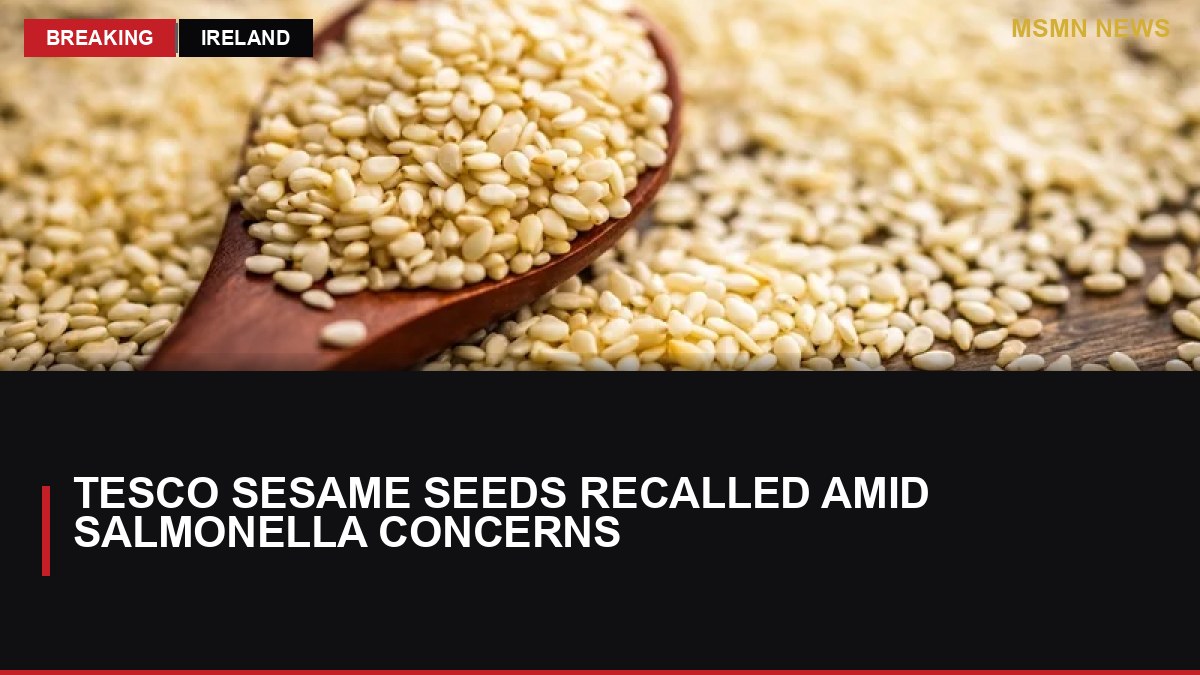
The Food Safety Authority of Ireland has announced a recall of batches of Tesco sesame seeds due to the presence of salmonella, raising significant health concerns for consumers.
- Freefall: A Reckoning for Boeing – A Documentary Exposes Ongoing Safety Concerns: MSMN News
- Cantor opens Kalshi prediction markets to thousands of institutional clients: MSMN News
- HSBC, Standard Chartered execute first live banking transaction on Swift’s 24/7 ledger: MSMN News
- Crypto Long & Short: Where DeFi yield really comes from (and why it broke this spring): MSMN News
- AI could supercharge crypto but there’s a catch, Fidelity Digital Assets says: MSMN News
In a significant health advisory, the Food Safety Authority of Ireland (FSAI) has announced a recall of specific batches of Tesco sesame seeds after detecting the presence of salmonella, a bacteria that can cause severe foodborne illness. This alert comes as part of ongoing efforts to ensure food safety and protect consumers from potential health risks associated with contaminated food products. The affected sesame seeds were sold in various Tesco stores across Ireland, and the recall has sparked immediate reactions from health officials and consumers alike, raising awareness about the importance of food safety measures.
The FSAI’s announcement details that the recall affects sesame seeds packaged in 250-gram bags, with specific batch numbers and best-before dates that consumers are urged to check. The agency has emphasized that the health risk associated with Salmonella is significant, particularly for vulnerable populations such as young children, the elderly, and those with weakened immune systems. Symptoms of salmonella infection can range from mild gastrointestinal discomfort to severe illness, including fever, diarrhea, and abdominal cramps, which can lead to hospitalization in more severe cases.
This Recall is part of a broader trend in food safety where regulatory bodies are increasingly vigilant in monitoring food products for contamination. The FSAI has been proactive in its approach, frequently updating the public on recalls and potential health hazards. In this instance, the detection of salmonella in the sesame seeds highlights the importance of rigorous testing and quality control measures in food production and distribution. The agency is urging consumers who may have purchased the affected sesame seeds to refrain from consuming them and to return them to the store for a full refund.
The announcement has raised eyebrows among consumers, many of whom rely on products like sesame seeds for their nutritional value and versatility in cooking. Sesame seeds are often used in various cuisines, from salads to baked goods, making them a staple in many households. The potential for contamination not only poses health risks but also raises questions about the safety protocols in place at food production facilities. Consumers are reminded to stay informed about food recalls and to regularly check for updates from health authorities, especially when it comes to commonly used ingredients.
In recent years, there have been several instances of food recalls due to contamination, underscoring the ongoing challenges faced by the food industry in ensuring product safety. The FSAI has been transparent about its findings and has worked diligently to communicate risks to the public. In this case, the rapid response to the salmonella detection demonstrates a commitment to consumer safety and public health.
As the situation develops, the FSAI continues to monitor the situation closely. There is an ongoing investigation into the source of the contamination, which is a critical step in preventing future incidents. Identifying the source not only helps in addressing the current issue but also aids in implementing measures to enhance safety standards across the food supply chain. Stakeholders in the food industry, from producers to retailers, are likely to face increased scrutiny as consumers demand higher safety standards and transparency regarding food products.
The recall has also prompted discussions on social media, where consumers are sharing their concerns and experiences regarding food safety. Many are expressing their apprehension about the reliability of food products they purchase, highlighting a growing awareness of food safety issues. This incident reinforces the necessity for consumers to be vigilant and informed about the products they consume, as well as the importance of regulatory oversight in maintaining food safety standards.
As for Tesco, the supermarket chain has responded to the recall by cooperating fully with the FSAI and ensuring that the affected products are removed from shelves. The company has issued statements reassuring customers of their commitment to food safety and quality. Tesco has a longstanding reputation for prioritizing customer health, and this recall is a reminder of the challenges that even major retailers face in maintaining those standards.
Looking ahead, consumers are encouraged to stay informed about any further developments related to the recall and to check for updates from the FSAI and Tesco. This incident serves as a critical reminder of the importance of food safety and the role that both consumers and regulatory bodies play in protecting public health. As the investigation continues, it remains essential for everyone involved in the food supply chain to prioritize safety and transparency to restore consumer confidence.
In conclusion, the recall of Tesco sesame seeds due to salmonella contamination is a stark reminder of the potential hazards present in our food supply. With the FSAI taking decisive action, consumers are urged to remain vigilant and proactive about their food choices. The ongoing dialogue around food safety will likely continue, as both consumers and industry stakeholders seek to navigate the complexities of ensuring safe food for all. The FSAI's response to this situation will set a precedent for how similar cases are handled in the future, emphasizing the need for rigorous safety protocols and consumer awareness in the ever-evolving landscape of food safety. As the FSAI continues to investigate the source of the contamination, consumers are advised to keep a close eye on updates and practice caution when purchasing food products, especially those that are commonly used in everyday cooking. The proactive measures taken by regulatory authorities like the FSAI highlight the importance of maintaining high safety standards and the need for continuous vigilance in the food supply chain.
As the food industry faces increasing scrutiny, it is imperative that all stakeholders, from producers to retailers, work collaboratively to ensure the safety and quality of food products. The Tesco sesame seeds recall serves as a critical case study in the ongoing fight against foodborne illnesses and the importance of consumer education in recognizing potential risks. The conversation surrounding food safety will undoubtedly evolve as more consumers become aware of the potential hazards and demand higher transparency and accountability from food producers and retailers alike. With the health and safety of consumers at stake, the FSAI's actions in this case will likely influence future food safety protocols and regulations, reinforcing the need for industry-wide adherence to best practices in food safety management.
Source / Reference
Reporting by MSMN News, based on publicly available source material.
Source: RTE News
Reference link: https://www.rte.ie/news/health/2026/0810/1587271-tesco-food-recall/
Recommended products
 -29%
-29%
OnBuy EU
In-ear headphones Metal bass headphones HIFI monitoring headphones Headphones HEADPHONES
Approx. EUR 26.31
36.83
Final price on merchant site

 Editor's choice
Affiliate disclosure: MSMN may earn from qualifying purchases. Prices and availability may change.


Comments