
Wexford GP Found Guilty of Misconduct for Covid-19 Social Media Posts: MSMN News
Follow MSMN
Official channels from Martins Studio Media Network.
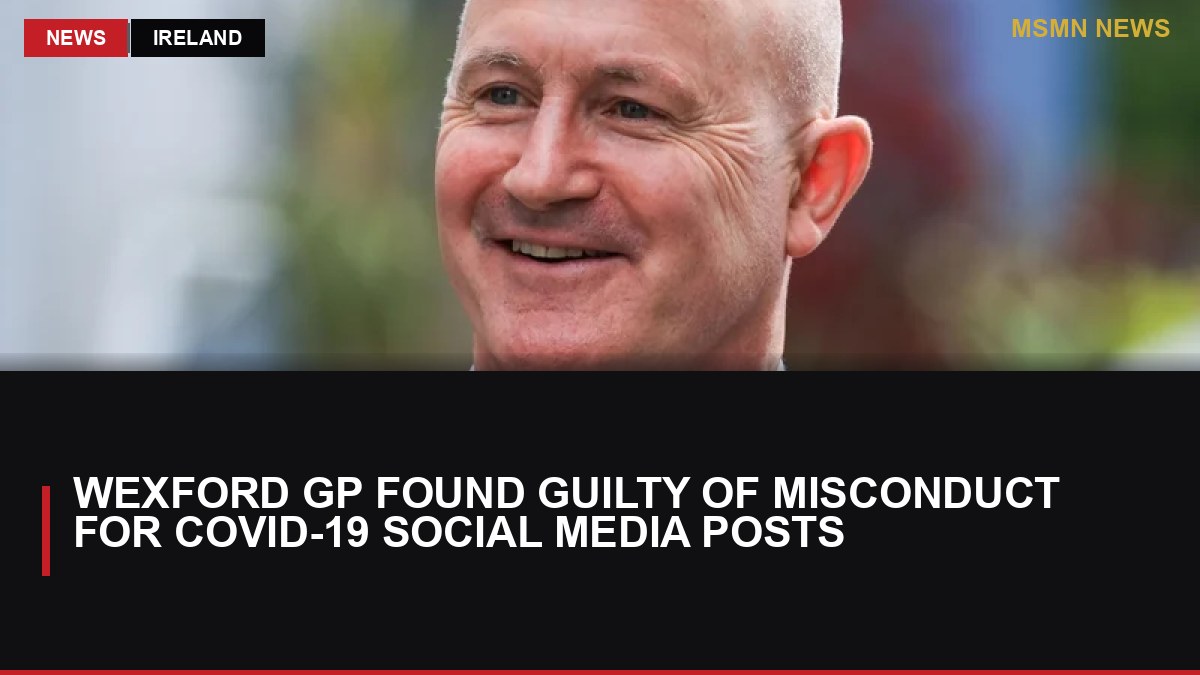
A Wexford GP has been found guilty of professional misconduct over social media posts that criticized Covid-19 public health measures, raising questions about the responsibilities of healthcare professionals.
- Sophie Adenot Makes History as First Frenchwoman to Spacewalk: MSMN News
- KCB Rfc Eyes Driftwood Sevens Dominance As Tusker Comes On Board: MSMN News
- Global borrowing costs hit fresh highs on oil, AI and inflation: MSMN News
- Rwanda's Nsanzuwera Reigns Supreme At Absa Ruiru Invitational: MSMN News
- DPP Approves Prosecution of Treasury Officials Over Alleged Sh1.57bn Profit Fraud: MSMN News
In a significant ruling that underscores the delicate balance between personal expression and professional responsibility, a general practitioner from Wexford has been found guilty of professional misconduct due to his social media activity during the Covid-19 pandemic. The case, which has drawn considerable attention, highlights the ongoing debates about the role of healthcare professionals in communicating Public Health information and the potential consequences when that communication becomes controversial.
The disciplinary action against the GP, who has not been named publicly, stems from a series of posts made on Social Media platforms where he expressed strong criticism of the public health measures implemented in response to the pandemic. These measures included lockdowns, mask mandates, and vaccination campaigns that were aimed at controlling the spread of the virus. The posts were not only seen as unprofessional but also as undermining the efforts of public health authorities at a time when clear and consistent messaging was deemed vital for public safety.
The investigation into the GP's conduct was initiated after complaints were lodged by members of the public who felt that his comments were not only inappropriate but could potentially mislead patients and the wider community. In a profession where trust and credibility are paramount, the implications of such statements can be profound. The Medical Council, which oversees medical practitioners in Ireland, took these complaints seriously, recognizing that the integrity of the medical profession is crucial, especially during a global health crisis.
During the hearings, evidence was presented that showcased the GP's online statements, which included claims that the pandemic was being exaggerated and that the vaccines were unnecessary. These assertions, which contradicted the scientific consensus and guidance from health authorities, raised alarms about the potential impact on public health and vaccination rates. The Medical Council found that the GP's conduct was not only misleading but also posed a risk to the health and safety of the public, particularly vulnerable populations who rely on accurate information to make informed decisions about their health.
The ruling has prompted a broader discussion about the responsibilities of Healthcare professionals when it comes to social media. In an era where information spreads rapidly, the line between personal opinion and professional advice can become blurred. Many health experts have voiced concerns that when doctors use their platforms to disseminate misinformation, it can lead to confusion and distrust among patients. This case serves as a reminder that while freedom of speech is a fundamental right, it comes with responsibilities, particularly for those in positions of authority in health-related fields.
As the ruling was announced, reactions from the medical community and the public varied widely. Some applauded the decision, viewing it as a necessary step to maintain the integrity of the healthcare profession. They argue that healthcare professionals have an obligation to uphold public trust and should be held accountable for their statements, especially during a crisis that affects the lives of millions. Others, however, expressed concern about potential overreach and the implications for free speech, suggesting that the ruling could have a chilling effect on open discourse among medical professionals.
Looking ahead, the case may set a precedent for how similar situations are handled in the future. As the public continues to grapple with the complexities surrounding Covid-19 and its aftermath, the role of healthcare professionals in public discourse will undoubtedly remain a contentious topic. The Medical Council has indicated that it will continue to monitor the situation and may implement further guidelines to help practitioners navigate the challenges posed by social media.
The GP in question has the option to appeal the decision, and it remains to be seen whether he will choose to do so. The outcome of any potential appeal could further influence the ongoing conversation about the intersection of medicine, ethics, and personal expression in the digital age. As the world emerges from the pandemic, the lessons learned from this case may prove invaluable in shaping future policies regarding health communication and the responsibilities of those who serve on the frontlines of public health.
In the meantime, the public health authorities continue to emphasize the importance of relying on credible sources of information, particularly as new health challenges arise. The Covid-19 pandemic has illustrated the critical need for clear communication and the role that healthcare professionals play in guiding their communities through uncertain times. This ruling serves as a reminder that with the privilege of being a healthcare provider comes the duty to uphold the highest standards of professionalism and ethical conduct, particularly when the stakes are so high.
As society reflects on the implications of this ruling, it is evident that the relationship between healthcare professionals and the public they serve will continue to evolve. The expectations placed on doctors and medical practitioners are likely to shift as the landscape of health communication changes, especially in an age where social media can amplify both positive and negative messages. The Wexford GP's case stands as a crucial chapter in this unfolding narrative, highlighting the need for a careful balance between personal expression and professional duty in the realm of public health.
The implications of this ruling extend beyond the individual case, suggesting that healthcare professionals may need to exercise greater caution in their online engagements. As social media continues to play a pivotal role in disseminating information, the potential for misinformation to spread rapidly poses a significant risk to public health. In light of this, the Medical Council is expected to engage in discussions that may lead to the establishment of clearer guidelines for medical practitioners regarding their online conduct.
Moreover, the case has sparked conversations about the role of social media platforms in moderating health-related content. As misinformation can easily proliferate in digital spaces, there is a growing call for social media companies to take more responsibility in curbing false narratives that could harm public health. This aspect of the discussion is crucial, as it ties into the broader issue of how society navigates the balance between free speech and the need to protect public health.
As the healthcare landscape continues to evolve, the lessons learned from this case will likely resonate with medical professionals and the public alike. The need for clear, accurate, and responsible communication has never been more critical, especially as communities face ongoing challenges related to health and wellness. The Wexford GP's case serves as a stark reminder of the potential consequences of straying from these principles, reinforcing the idea that healthcare professionals must remain vigilant in their commitment to providing accurate information and upholding the trust placed in them by their patients.
In conclusion, the ruling against the Wexford GP is a pivotal moment in the ongoing discourse surrounding the responsibilities of healthcare professionals in the age of social media. As the public continues to navigate the complexities of health information in a rapidly changing world, the expectations of medical practitioners will undoubtedly be scrutinized. Ultimately, the case serves as a crucial reference point for the future of health communication, emphasizing the importance of professionalism, ethical conduct, and the need for healthcare providers to act as stewards of accurate information in the face of misinformation and public health challenges.
Source / Reference
Reporting by MSMN News, based on publicly available source material.
Source: RTE News
Reference link: https://www.rte.ie/news/2026/0810/1587264-gp-covid/
Recommended products

 Editor's choice
Affiliate disclosure: MSMN may earn from qualifying purchases. Prices and availability may change.


Comments