
Wexford GP Found Guilty of Professional Misconduct for Anti-Covid Posts: MSMN News
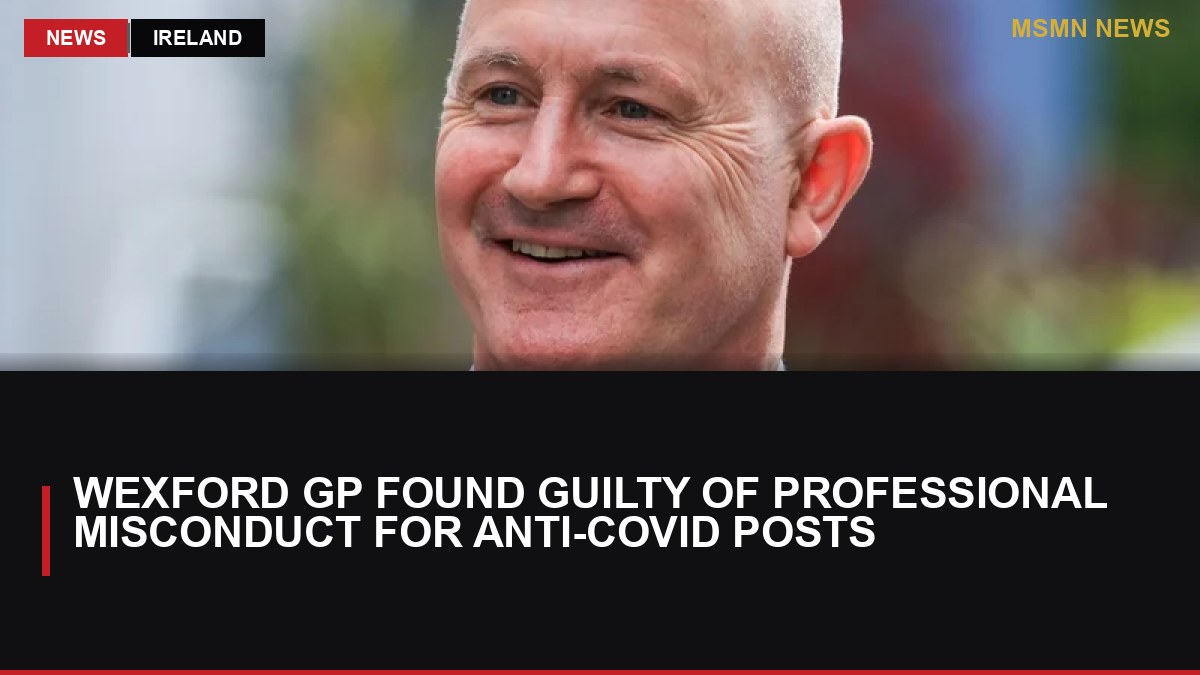
A Wexford GP has been found guilty of professional misconduct over social media posts critical of Covid-19 health measures, raising questions about the responsibilities of healthcare professionals in the digital age.
- Rick and Morty Celebrates Iconic Dialogue: MSMN News
- Australian foreign minister defends multiculturalism, attacks far-right: MSMN News
- Meet Jinny Lu, the World’s Ugliest Dog of 2026: MSMN News
- Magnitude 5.7 Earthquake Strikes Indonesia: MSMN News
- Andrew Coscoran Secures Bronze in 1500m at European Championships: MSMN News
In a landmark ruling that has sent ripples through the medical community, a general practitioner in Wexford, Ireland, has been found guilty of professional Misconduct due to inflammatory social media posts made during the Covid-19 pandemic. The case has raised significant questions about the responsibilities of healthcare professionals in the age of social media and the potential consequences of their public statements. The decision comes at a time when trust in medical professionals is paramount, especially as the world continues to grapple with the effects of the pandemic.
The Medical Council of Ireland, which oversees the conduct of healthcare professionals in the country, announced the verdict after a thorough investigation into the GP’s online activity. The investigation revealed that the doctor had shared a series of posts that were not only critical of the Public Health measures implemented to combat the spread of Covid-19 but also contained misleading information that contradicted established health guidelines. The posts sparked outrage among the public and fellow healthcare workers, leading to calls for accountability in the medical field.
During the hearing, it was revealed that the GP's posts included derogatory comments about vaccines, mask mandates, and social distancing protocols. By questioning the efficacy of these measures, the doctor undermined the efforts of public health officials who were working tirelessly to manage the crisis. The Medical Council emphasized the importance of accurate information dissemination, particularly during a public health emergency, and asserted that healthcare professionals have a duty to uphold the integrity of the medical profession.
The ruling has significant implications not only for the individual GP but also for the broader medical community in Ireland. It serves as a stern reminder that the responsibilities of medical professionals extend beyond the clinic and into the public sphere, especially in an era where misinformation can spread rapidly through social media platforms. The case has sparked a debate about the boundaries of free speech for healthcare professionals and the potential consequences of their online behavior.
Public reaction to the verdict has been mixed. Many members of the public and healthcare community have expressed support for the decision, arguing that it is essential to maintain trust in medical guidance during such a critical time. They believe that healthcare professionals should be held to a higher standard, especially when their statements can influence public perception and behavior regarding health measures. On the other hand, some have raised concerns about potential censorship and the implications for free speech, arguing that professionals should be allowed to express their opinions, even if they are controversial.
The case has also prompted discussions about the role of social media in shaping public health narratives. As more people turn to platforms like Twitter, Facebook, and Instagram for information, the potential for misinformation to spread has increased dramatically. The Wexford GP's posts exemplify the challenges faced by public health officials in combating false narratives that can lead to vaccine hesitancy and noncompliance with health guidelines. In this context, the Medical Council's ruling may be seen as a necessary step to reinforce the importance of credible information sources.
Looking ahead, the ruling could lead to more stringent regulations regarding the online conduct of healthcare professionals in Ireland. The Medical Council may implement new guidelines or training programs aimed at educating doctors about the implications of their online presence and the importance of aligning their public statements with established health guidelines. This could foster a culture of accountability among medical professionals and encourage them to think critically about the content they share online.
In the wake of this ruling, the Wexford GP faces not only professional repercussions but also a potential loss of trust from patients. Maintaining a positive doctor-patient relationship is vital in healthcare, and the fallout from this case may lead to difficulties in the GP's practice as patients reassess their confidence in the doctor's advice and treatment recommendations. The impact of social media on the doctor-patient relationship is an increasingly relevant topic, as patients often seek information online before consulting their healthcare providers.
The case also highlights the need for continued education and communication from public health officials. As misinformation continues to circulate, it is crucial for health authorities to engage with the public through transparent and accessible communication strategies. By providing clear, evidence-based information, public health officials can help counteract the effects of misleading narratives and foster a more informed public.
As this situation unfolds, many are left wondering what additional measures might be necessary to protect public health in the face of rampant misinformation. The Medical Council's ruling may serve as a catalyst for a broader conversation about the role of healthcare professionals in the digital age. As society navigates the complexities of social media, the intersection of healthcare and online discourse will undoubtedly remain a hot-button issue for years to come.
In summary, the finding of professional misconduct against the Wexford GP underscores the critical responsibilities that healthcare professionals bear, particularly during a global health crisis. The implications of this ruling extend beyond the individual, touching on the very foundation of trust between patients and the medical community. It serves as a reminder that while opinions are important, the dissemination of accurate health information is essential for the well-being of society, particularly in such unprecedented times. The public and healthcare communities alike will be watching closely to see how this case influences future conduct and policy within the medical profession in Ireland and beyond. The ongoing dialogue surrounding this ruling will likely shape the future landscape of healthcare communication, as both professionals and patients navigate the complexities of information sharing in an increasingly digital world.
As we continue to witness the evolution of healthcare in the context of social media, the lessons learned from this case will undoubtedly resonate throughout the medical community. The importance of aligning personal beliefs with professional responsibilities cannot be overstated, especially as public health efforts remain at the forefront of societal challenges. The balance between free speech and professional accountability will continue to be a pivotal discussion point as healthcare providers strive to maintain the trust and confidence of the public they serve.
Source / Reference
Reporting by MSMN News, based on publicly available source material.
Source: RTE News
Reference link: https://www.rte.ie/news/2026/0810/1587264-gp-covid/
Recommended products
 -21%
-21%
OnBuy EU
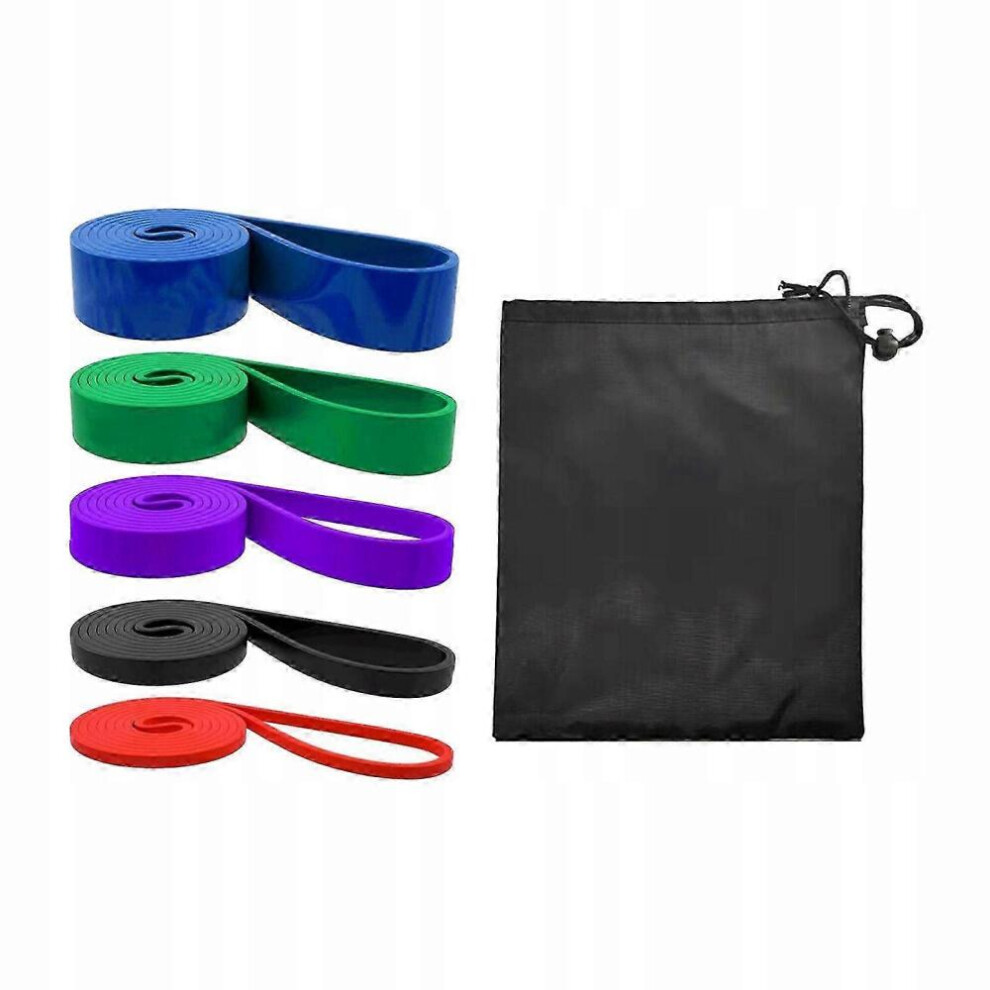
Resistance Bands Exercise Bands Resistance Bands
Approx. EUR 84.99
106.99
Final price on merchant site
2 merchants


Poshmark
J.Crew Ivory Irish Linen Coastal Sports Coat
Approx. USD 60.00 Final price on merchant site
Affiliate disclosure: MSMN may earn from qualifying purchases. Prices and availability may change.




Comments