
Heatwaves Lead to Surge in Unconventional Vegetables: MSMN News
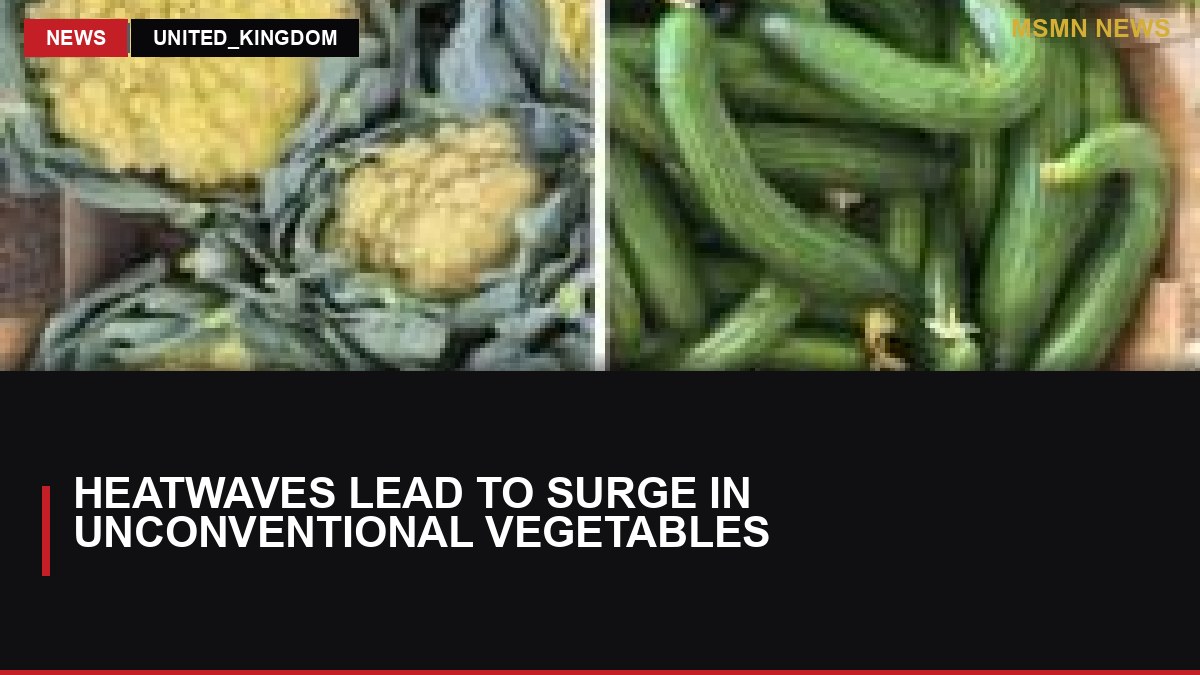
The recent spate of heatwaves in the United Kingdom has not only scorched the landscape but has also altered the appearance of many vegetables, leading to a noticeable rise in the availability of so-called 'wonky' produce.
- Arab-Israeli activist Yoseph Haddad enters politics with new party ahead of elections: MSMN News
- Highly competitive Likud primaries set as Netanyahu holds expanded control over Knesset slate: MSMN News
- Hezbollah disarmament 'integral' to Lebanon-Israel security process, US official tells 'Post': MSMN News
- Trump Vows Economic Pressure on Iran, Plans to Declare Hormuz US Territory: MSMN News
- Innovative Tribute to Freedom Fighter Alluri Sitarama Raju: MSMN News
The recent spate of heatwaves in the United Kingdom has not only scorched the landscape but has also altered the appearance of many Vegetables, leading to a noticeable rise in the availability of so-called 'wonky' produce. Shoppers can expect to see a variety of uniquely shaped fruits and vegetables, including sun-tanned cauliflowers and knobbly potatoes, as farmers adapt to the changing climate and its impact on crop aesthetics. These unconventional vegetables, often deemed less desirable due to their irregular shapes, are now being celebrated for their taste and nutritional value, underscoring a significant shift in consumer attitudes towards food appearance.
The UK has recently experienced a series of heatwaves, with temperatures soaring to unprecedented levels, which has wreaked havoc on traditional farming practices. The extreme weather conditions have not only affected crop growth but have also resulted in a higher incidence of deformities in produce. Farmers have reported that the scorching temperatures have led to vegetables growing at an accelerated pace, resulting in unusual shapes and sizes that would typically be rejected by retailers. However, as concerns about food waste and Sustainability grow, there is a burgeoning movement among consumers and retailers alike to embrace these imperfect vegetables.
The rise of wonky vegetables is not merely a response to the heatwaves but also reflects a broader cultural shift towards sustainability and environmental consciousness. Many consumers are becoming increasingly aware of the impact of food waste on the environment, with studies indicating that approximately one-third of all food produced globally is wasted. By purchasing and consuming vegetables that might not meet traditional aesthetic standards, shoppers are contributing to a more sustainable food system. This change in mindset is encouraging farmers to rethink their practices and prioritize the quality and taste of their produce over its appearance.
This trend is gaining traction among various retailers in the UK, with supermarkets and local Markets expanding their offerings of wonky vegetables. Major grocery chains have begun to market these products as not only cost-effective but also eco-friendly. For instance, initiatives have been launched to promote the sale of misshapen carrots, potatoes, and other vegetables at reduced prices, making them more accessible to consumers. This is not only beneficial for shoppers looking for bargains but also serves as a vital step in reducing the overall food waste that plagues the industry.
In addition to economic benefits, the push for wonky vegetables also highlights the nutritional value they offer. Many consumers may be surprised to learn that the taste and quality of these imperfect vegetables can be just as good, if not better, than their traditionally shaped counterparts. Chefs and home cooks are increasingly experimenting with these unique produce options, finding creative ways to incorporate them into meals. From soups and stews to salads and side dishes, wonky vegetables are proving that they can hold their own in the culinary world.
As the climate continues to change, with rising temperatures and unpredictable weather patterns, the agricultural landscape will likely continue to evolve. Farmers are being urged to adapt their practices to accommodate these shifts, which may include diversifying the types of crops they grow and adopting more sustainable farming techniques. This not only ensures a more resilient food supply but also encourages the production of a wider variety of vegetables that can thrive under different conditions.
The societal embrace of wonky vegetables also ties into a larger narrative about food equity and access. Many communities, particularly those in underserved areas, face challenges in accessing fresh produce. By promoting the sale of imperfect vegetables, there is an opportunity to provide affordable options for those who may struggle to afford traditionally priced produce. This can help bridge the gap in food access while simultaneously addressing the environmental concerns associated with food waste.
Moreover, the rise of social media has played a significant role in changing perceptions about food aesthetics. Platforms like Instagram and TikTok have seen a surge in content showcasing creative dishes made from wonky vegetables, encouraging a new generation of cooks to appreciate the beauty of these unconventional produce items. Influencers and food bloggers are highlighting the culinary potential of these vegetables, demonstrating that their irregular shapes do not compromise taste or nutritional value. This grassroots movement is fostering a culture of acceptance around food that deviates from the norm, aligning with broader trends toward environmental sustainability and conscious consumerism.
As supermarkets and farmers markets adapt to this new reality, they are also launching educational campaigns to inform consumers about the benefits of choosing wonky vegetables. These initiatives often include recipes, cooking tips, and information on how to store and prepare these unique items effectively. By empowering consumers with knowledge, retailers are helping to shift the narrative around food waste and encouraging shoppers to make informed decisions that benefit both their wallets and the planet.
Looking ahead, experts predict that the trend towards wonky vegetables will continue to grow, especially as climate change poses ongoing challenges to traditional farming practices. With each heatwave, the likelihood of more irregularly shaped produce increases, and as a result, consumers may find themselves encountering an even wider variety of wonky vegetables in their local stores. This evolving landscape presents an opportunity for farmers to innovate and diversify their crops, creating a more resilient agricultural system that can withstand the pressures of climate change.
In conclusion, the recent heatwaves in the UK have catalyzed a movement towards the acceptance and celebration of wonky vegetables. As consumers become more conscious of their food choices and the environmental impact of waste, the demand for these unconventional produce options is likely to grow. Supermarkets and farmers alike are beginning to recognize the value in these unique vegetables, paving the way for a more sustainable and inclusive food system. As shoppers navigate grocery aisles filled with sun-tanned cauliflowers and knobbly spuds, they are not just making a choice about what to eat; they are participating in a larger conversation about sustainability, food waste, and the future of Agriculture in a warming world.
Source / Reference
Reporting by MSMN News, based on publicly available source material.
Source: BBC Business
Reference link: https://www.bbc.co.uk/news/articles/c4g360z8d2lo?at_medium=RSS&at_campaign=rss
Recommended products
 -32%
-32%

 Editor's choice
Affiliate disclosure: MSMN may earn from qualifying purchases. Prices and availability may change.




Comments