
France Raises Concerns Over Potential Russian Interference in Upcoming Presidential Elections: MSMN News
Follow MSMN
Official channels from Martins Studio Media Network.
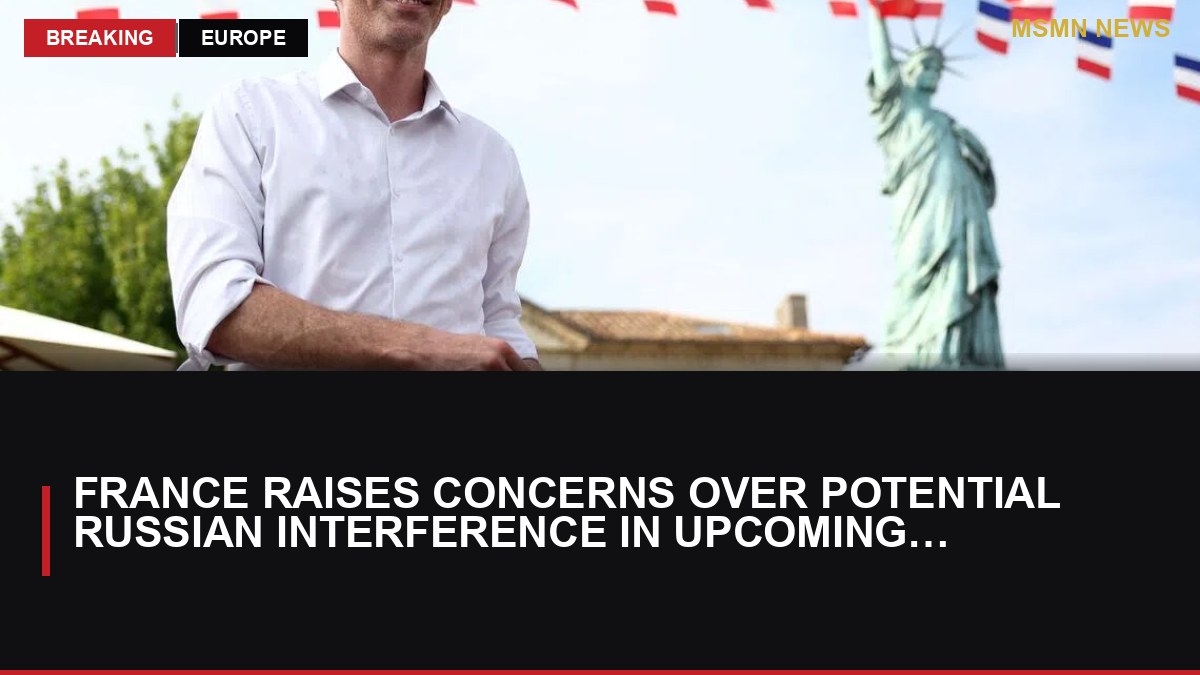
As France gears up for its 2027 presidential elections, concerns about potential Russian interference through disinformation campaigns targeting key political figures have come to light.
- Why people aren’t buying Mark Zuckerberg’s AI future: MSMN News
- Global borrowing costs hit fresh highs on oil, AI and inflation: MSMN News
- Florence Pugh's East Of Eden Adaptation Sets Official Netflix Release Date: MSMN News
- Singapore out of ASEAN football championship despite beating Thailand in second leg: MSMN News
- Tragic Incidents Prompt Urgent Discussion on Dog Safety in Hong Kong: MSMN News
Background on Russian Interference Concerns
As France prepares for its next presidential Elections scheduled for 2027, concerns about foreign interference, particularly from Russia, have come to the forefront. Recent reports indicate that Russian entities may be attempting to undermine the electoral process by spreading disinformation about key political figures. This situation raises alarms not only within France but also across Europe, as nations grapple with the implications of foreign meddling in their democratic institutions.
The French government has been vigilant regarding the potential for misinformation campaigns, especially following a series of incidents in recent years where foreign actors have sought to sway public opinion. The situation is reminiscent of past elections in various countries, including the United States and the United Kingdom, where misinformation played a significant role in shaping voter perceptions and outcomes.
Specifics of the Allegations
According to sources familiar with the matter, Russian operatives are believed to be disseminating false information about two prominent French politicians who are either running or are likely to run in the upcoming elections. These politicians, whose identities have not been disclosed, are at the center of a growing narrative that suggests they may be susceptible to manipulation by foreign interests.
The nature of the disinformation campaigns reportedly includes fabricating stories, altering facts, and creating divisive narratives aimed at discrediting these individuals. This tactic is designed to influence public perception and potentially sway voter sentiment in favor of certain candidates or political parties aligned with Russian interests.
Government Response
In light of these developments, the French government is taking proactive measures to counteract potential misinformation. Authorities are increasing their monitoring of social media platforms and other communication channels to identify and mitigate the spread of false narratives. The French intelligence community is also involved in assessing the scope and impact of these alleged operations.
French officials have emphasized the importance of safeguarding the electoral process from foreign influence. They are working closely with technology companies to ensure that misinformation is promptly identified and removed from platforms where it may be disseminated. This collaborative effort aims to maintain the integrity of the upcoming elections and reassure the public about the validity of the electoral process.
Public Reaction and Political Implications
The revelation of potential Russian interference has sparked a range of reactions among the French public and political leaders. Concerns about foreign meddling have become a significant topic of discussion, with many citizens expressing anxiety over the integrity of their democratic institutions. Some political leaders have called for more stringent measures to protect the electoral process and ensure transparency.
Opposition parties have also seized upon the situation to criticize the current government's handling of national security and foreign relations. They argue that the government must take a more aggressive stance against foreign interference and work to restore public confidence in the electoral process. This dynamic adds another layer of complexity to the already charged political atmosphere in France as the country approaches the elections.
The Broader Context
The concerns surrounding Russian interference in French elections are part of a larger pattern observed across Europe. Many countries have experienced similar attempts at destabilization through misinformation and other forms of influence. The European Union has been increasingly vocal about the need to combat disinformation and protect democratic processes from foreign threats.
In recent years, various European nations have implemented measures to curb the spread of false information and enhance electoral security. These initiatives include public awareness campaigns, stricter regulations on social media platforms, and increased collaboration among EU member states to share intelligence and best practices.
Looking Ahead
As France moves closer to the 2027 presidential elections, the focus on potential foreign interference is likely to intensify. Authorities will continue to monitor the situation closely, and public discourse around the issue will play a crucial role in shaping the political landscape. The government’s response to these challenges will be critical in determining whether citizens feel their electoral process is secure.
Experts suggest that addressing the threat of foreign interference will require a multi-faceted approach that includes not only government action but also public engagement and education. Voter awareness campaigns aimed at informing citizens about the dangers of misinformation could help foster a more informed electorate capable of discerning fact from fiction.
Conclusion
The allegations of Russian interference in France’s upcoming presidential elections underscore the urgent need for vigilance in protecting democratic processes from external threats. As the political climate evolves, the response from the French government and public will be pivotal in ensuring that the integrity of the electoral process remains intact. The unfolding situation will be closely watched, both within France and by the international community, as it could have significant implications for the future of democracy in Europe.
As the narrative continues to develop, it is clear that the fight against misinformation and foreign influence will remain a pressing issue in the lead-up to the elections. The outcome of this battle may very well shape the political landscape of France for years to come.
Historical Context of Russian Interference
The concerns regarding Russian interference are not new. Over the past decade, numerous allegations have surfaced regarding Russia's involvement in various elections across Europe and the United States. The 2016 U.S. presidential election was a watershed moment, exposing the vulnerabilities in electoral integrity and the potential for foreign actors to exploit these weaknesses. Following that election, many European nations began to scrutinize their own electoral processes more closely, leading to increased awareness and preventive measures.
In France, the most notable instance of alleged Russian interference occurred during the 2017 presidential election. Reports indicated that Russian state media were promoting certain candidates while discrediting others, particularly Emmanuel Macron, who ultimately won the election. This history of interference has added a layer of urgency to the current situation as the French government seeks to safeguard its electoral process.
The Role of Technology Companies
As misinformation campaigns often proliferate on social media and other digital platforms, the role of technology companies is crucial in the fight against foreign interference. In response to the growing threat, companies like Facebook and Twitter have implemented measures to identify and remove fake accounts and disinformation. These actions include labeling posts that contain false information and promoting credible sources of news.
However, critics argue that more needs to be done. Many believe that technology companies should take greater responsibility for the content shared on their platforms. The French government is collaborating with these companies to create a more robust framework for identifying and mitigating disinformation, particularly as the elections approach.
Implications for Democracy
The implications of foreign interference extend beyond individual elections; they pose a fundamental challenge to democratic institutions. When citizens lose trust in the electoral process, it can lead to voter apathy and disengagement. This erosion of trust can have long-lasting effects on the health of democracy itself.
In France, the potential for Russian interference raises questions about the resilience of its democratic institutions. As the government and civil society work to combat misinformation, it is essential to foster a culture of transparency and accountability. Educating citizens about the importance of critical thinking and media literacy can empower them to navigate the complex information landscape and make informed decisions at the ballot box.
Conclusion
The unfolding situation in France regarding potential Russian interference in the upcoming presidential elections is a critical development that warrants close attention. As the country gears up for a significant electoral cycle, the actions taken by the government, technology companies, and civil society will play a pivotal role in shaping the integrity of the electoral process. The stakes are high, not only for France but for democracy as a whole, as nations worldwide grapple with the challenges posed by misinformation and foreign influence. The upcoming elections will serve as a litmus test for the resilience of France's democratic institutions and the effectiveness of its response to external threats.
As the narrative continues to evolve, it is clear that the fight against misinformation and foreign influence will remain a pressing issue in the lead-up to the elections. The outcome of this battle may very well shape the political landscape of France for years to come.
Source / Reference
Reporting by MSMN News, based on publicly available source material.
Source: Straits Times World
Reference link: https://www.straitstimes.com/world/europe/france-suspects-meddling-by-russia-in-run-up-to-presidential-polls-says-source
Recommended products
 -32%
-32%

 Editor's choice
Affiliate disclosure: MSMN may earn from qualifying purchases. Prices and availability may change.


Comments