
Monthly Vouchers Aim to Revitalize South Korea's Rural Areas: MSMN News
Follow MSMN
Official channels from Martins Studio Media Network.
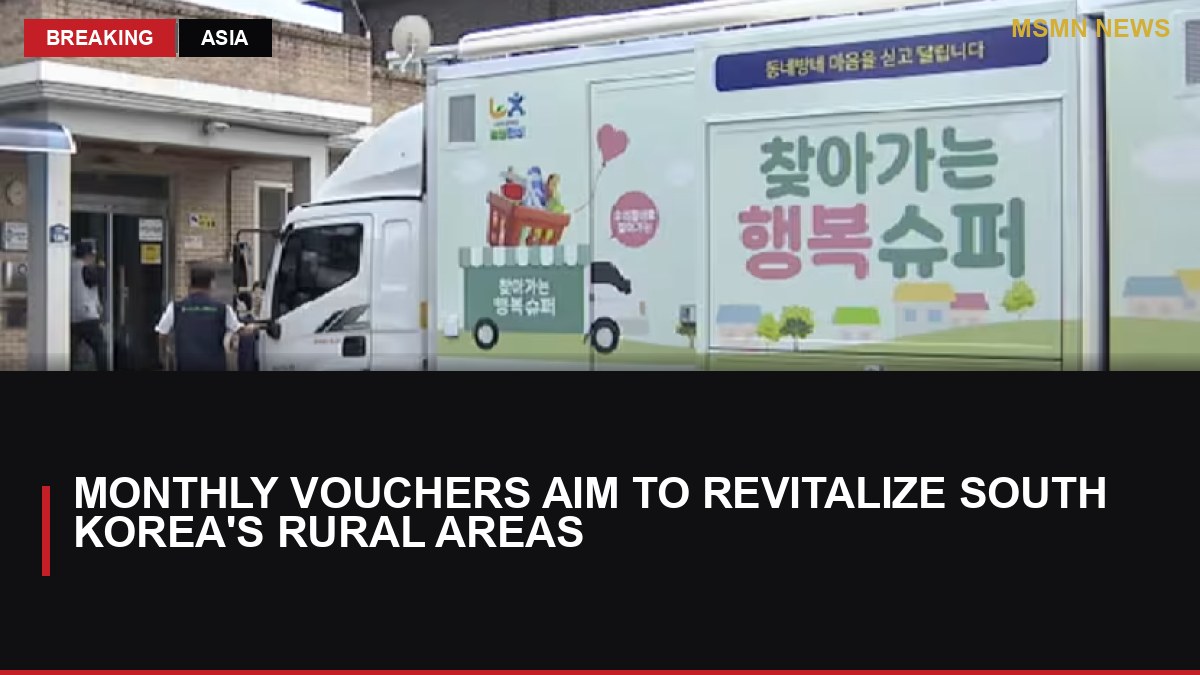
A pilot program in South Korea introduces monthly vouchers for rural residents, aiming to rejuvenate local economies. While initial results are promising, experts warn that deeper issues must be addressed to reverse decades of depopulation.
- Exploring Fantasy TV Shows That Stay True to Their Literary Roots: MSMN News
- Eater's Off Menu Event Set for Los Angeles: MSMN News
- Terranigma Remaster Set for US Release: MSMN News
- 'I Love Lucy' to Receive Inaugural Legacy Award from TV Academy: MSMN News
- Rotterdam's Controversial New Landmark: MSMN News
Introduction
In a bid to combat the ongoing decline of rural populations, South Korea has launched a pilot program that distributes monthly vouchers to residents in select areas. This initiative aims to stimulate local economies by encouraging spending among residents and potentially attracting newcomers. However, experts caution that while the program shows early promise, reversing decades of population decline will require more than just financial incentives.
Background on Rural Depopulation
South Korea has seen significant urban migration over the past few decades, with many individuals moving to cities in search of better job opportunities and living conditions. This trend has resulted in many rural areas experiencing severe depopulation, leading to empty homes, dwindling local economies, and a loss of community identity. According to government statistics, rural populations have been steadily decreasing, with many towns becoming ghost towns as younger generations leave in search of brighter futures in urban environments.
The government has recognized this trend and the potential consequences for rural communities, including the loss of agricultural productivity and cultural heritage. As a response, officials have initiated several programs aimed at revitalizing these areas, with the monthly voucher system being one of the latest efforts. This pilot program reflects a growing concern among policymakers about the sustainability of rural life and the socio-economic ramifications of a shrinking population.
The Monthly Voucher Program
The pilot program, which began earlier this year, offers residents of selected rural communities a monthly financial voucher that can be used for various local purchases. The goal is to boost spending in local businesses, thereby stimulating the economy and creating a more vibrant community atmosphere. Local officials have reported a noticeable increase in spending since the program's inception. Businesses in participating areas have experienced a surge in customers, with many small shops reporting increased sales. This uptick in local commerce is seen as a positive sign that the vouchers are having the desired effect.
However, the program is not without its challenges. Many residents express concerns about whether the vouchers will provide a long-term solution to the issues facing their communities. While the immediate financial relief is welcomed, there is skepticism about the sustainability of such a program and whether it can truly reverse the trend of depopulation.
Community Reactions
Responses from residents have been mixed. Some view the vouchers as a much-needed lifeline, allowing them to support local businesses and enjoy a better quality of life. Others, however, remain cautious, pointing out that the root causes of rural decline—such as a lack of job opportunities and inadequate infrastructure—still need to be addressed. For many, the vouchers represent a temporary fix rather than a comprehensive solution.
One resident noted that while the vouchers help in the short term, they do not address the underlying issues that have driven people away from rural areas. There is a strong desire for more substantial investments in job creation, education, and infrastructure to ensure that communities can thrive in the long run. This sentiment reflects a broader understanding among residents that financial assistance alone cannot replace the need for structural support and development.
Experts Weigh In
Experts in Rural Development have emphasized that while financial incentives can stimulate local economies, they are not a panacea for the complex challenges faced by rural communities. Dr. Lee Sung-min, a rural sociologist, argues that a multifaceted approach is essential. "We need to look beyond just financial incentives. Communities require investment in infrastructure, education, and job creation to truly flourish," Dr. Lee stated. Furthermore, some experts suggest that the government should consider policies that support families and young people, such as affordable housing and childcare support, to encourage them to settle in rural areas. Such measures could help create a more attractive environment for potential residents and lead to a more sustainable population growth.
Broader Implications
The implications of this pilot program extend beyond just the participating communities. If successful, it could serve as a model for other rural areas in South Korea and beyond that are grappling with similar issues of depopulation and economic decline. The government is closely monitoring the outcomes of the program and may consider expanding it if it proves effective. Yet, the challenges remain significant. Many rural areas lack the infrastructure and services that are critical for attracting new residents. For instance, access to healthcare, education, and reliable transportation are often limited in these regions, making it difficult for families to consider relocating. Addressing these gaps will be crucial for any long-term revitalization efforts.
Moreover, the success of the voucher program could influence future policy decisions at the national level. Policymakers may look to replicate this model in other regions facing similar demographic challenges, potentially reshaping the landscape of rural development in South Korea.
Next Steps
As the pilot program continues, local officials are committed to gathering data and feedback from residents and businesses to assess its impact. There are plans for community meetings to discuss the program's effectiveness and gather suggestions for improvement. This feedback will be essential in shaping future policies aimed at revitalizing rural areas. Moreover, the government is exploring additional initiatives that could complement the voucher program, such as support for local agriculture, tourism development, and investment in renewable energy projects. These efforts could help create a more diverse economic base, making rural areas more resilient to future challenges.
Local leaders are also considering partnerships with universities and research institutions to develop innovative solutions tailored to the unique needs of rural communities. By leveraging academic expertise, they hope to implement best practices that have been successful in other regions around the world.
Conclusion
While the monthly voucher program in South Korea's rural communities has shown initial success in boosting local spending, experts warn that it is just one piece of a larger puzzle. The fight against rural depopulation requires a comprehensive strategy that addresses the root causes of migration and creates an environment where communities can thrive. As officials continue to evaluate the program, the hope is that it will lead to more sustainable solutions for the future of South Korea's rural areas. In summary, while the monthly voucher initiative has sparked a renewed interest in local spending and Community Engagement, it is imperative that stakeholders focus on long-term strategies that encompass economic, social, and infrastructural development to ensure the vitality of South Korea's rural landscapes for generations to come.
Source / Reference
Reporting by MSMN News, based on publicly available source material.
Source: Channel News Asia
Reference link: https://www.channelnewsasia.com/asia/south-korea-monthly-vouchers-shrinking-rural-communities-6285686
Recommended products


 -33%
-33%
OnBuy EU
Travel Blender, Portable Blender, , Blender, Beverage Blender, Electric , Small Blender
Approx. DKK 412.63
618.95
Final price on merchant site
4 merchants
Affiliate disclosure: MSMN may earn from qualifying purchases. Prices and availability may change.


Comments