
Ozon Evacuates Tatarstan Warehouse Amid Ukrainian Drone Alert: MSMN News
Follow MSMN
Official channels from Martins Studio Media Network.
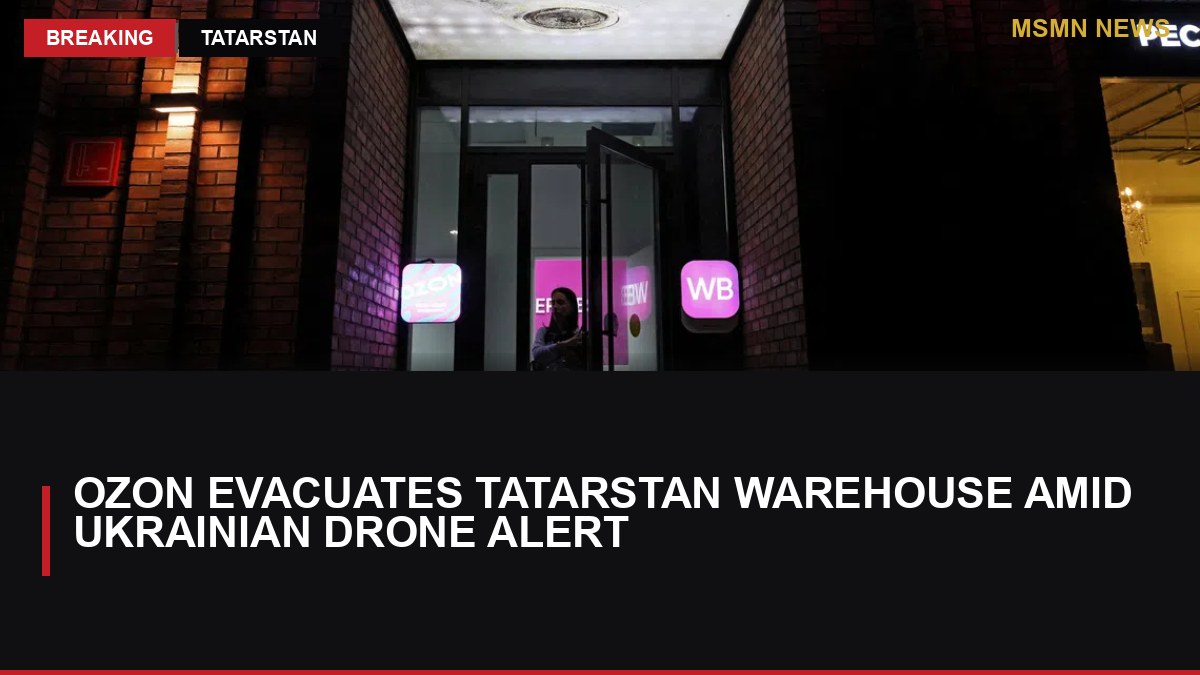
Ozon, Russia's second-largest e-commerce company, has evacuated its warehouse in Tatarstan due to a Ukrainian drone alert, highlighting the ongoing tensions and security challenges faced by businesses in the region.
- MK Stalin Challenges Kolathur Election Result: MSMN News
- Revolutionizing Virtual Displays: MSMN News
- CM Dhami Launches Sashakt Behna Utsav Yojana in Dehradun: MSMN News
- High-Stakes India-China Border Talks Scheduled in Beijing: MSMN News
- Navigating New Identities: A Journey of Openness After Cancer Treatment: MSMN News
Ozon's Evacuation in Tatarstan
In a significant move, Ozon, one of Russia's leading e-commerce companies, confirmed the evacuation of its warehouse in the Tatarstan region due to a Ukrainian drone alert. This incident, which unfolded on July 31, serves as a stark reminder of the escalating tensions between Russia and Ukraine, particularly in the context of the ongoing conflict that has disrupted various sectors, including logistics and commerce.
Ozon's decision to vacate its facility in Zelenodolsk, a town located approximately 40 kilometers from the regional capital of Kazan, underscores the heightened state of alert that businesses in Russia are facing as the conflict continues to evolve. The company, which has positioned itself as a major player in the Russian e-commerce market, indicated that the evacuation was a precautionary measure in response to the drone threat.
Background on Ozon
Founded in 1998, Ozon began as an online bookstore and has since expanded its offerings to include a wide range of products, from electronics to groceries. It is often referred to as the "Amazon of Russia" due to its extensive reach and diverse product catalog. The company has seen significant growth in recent years, particularly during the COVID-19 pandemic, as more consumers turned to online shopping.
With the ongoing conflict in Ukraine, Ozon, like many other businesses in Russia, has had to navigate a complex environment marked by uncertainty and risk. The company has made efforts to adapt to the changing landscape, including enhancing its logistics capabilities and expanding its delivery services. However, incidents like the recent evacuation in Tatarstan pose additional challenges to its operations.
The Drone Alert Incident
The drone alert that prompted Ozon's warehouse evacuation is part of a broader pattern of military activity that has intensified in various regions of Russia. Ukrainian forces have increasingly employed drone technology as part of their strategy in the ongoing conflict, leading to heightened concerns about security in areas close to the border.
While specifics regarding the nature of the drone alert in Tatarstan remain unclear, the situation reflects the pervasive atmosphere of fear and uncertainty that has gripped many parts of Russia since the onset of the war. Authorities in Tatarstan, along with other regions, have been on high alert for potential threats, and businesses are increasingly taking precautions to protect their assets and personnel.
Public Response and Reactions
The evacuation of Ozon's warehouse has drawn attention from various sectors, including consumers, business analysts, and government officials. Many are expressing concern over the safety of employees and the potential impact on the supply chain. As an essential player in the e-commerce sector, Ozon's operations are vital for many consumers who rely on the platform for their shopping needs.
Public sentiment is mixed, with some expressing understanding of Ozon's decision to prioritize safety, while others worry about the implications for business continuity in the region. The evacuation highlights the broader challenges faced by businesses operating in conflict zones, where safety measures can directly impact operations and customer service.
Broader Implications for E-Commerce in Russia
The incident in Tatarstan raises questions about the future of e-commerce in Russia amidst ongoing security threats. As businesses like Ozon continue to adapt to the realities of the conflict, they may need to reassess their risk management strategies and contingency plans. The potential for further drone alerts or military actions could disrupt supply chains, affect delivery times, and ultimately impact consumer trust.
In light of these challenges, some analysts are suggesting that companies may need to invest more heavily in security infrastructure and develop more flexible operational frameworks. This could involve diversifying logistics networks, enhancing communication with local authorities, and implementing more rigorous safety protocols.
Future Steps for Ozon and Other Businesses
As Ozon navigates this challenging landscape, the company is likely to continue monitoring the situation closely. The recent evacuation serves as a critical reminder of the unpredictable nature of the current environment, and businesses may need to remain agile to respond quickly to emerging threats.
In the immediate aftermath of the evacuation, Ozon has not provided specific details about how long the warehouse will remain closed or how it plans to mitigate the impact on its operations. Stakeholders are keenly awaiting updates, as the company's ability to maintain service levels is crucial for consumer confidence and market stability.
Context of the Conflict
The ongoing conflict between Russia and Ukraine, which escalated significantly in February 2022, has resulted in widespread geopolitical instability. The war has not only affected military and civilian lives but has also had far-reaching consequences on trade, commerce, and the economy in the region. Businesses operating in Russia have faced heightened scrutiny and operational challenges as they adapt to the new normal in a war-affected environment.
The use of drone technology by Ukrainian forces has become increasingly common as part of their military strategy, leading to concerns about airspace security in bordering regions, including Tatarstan. This has led to a series of alerts and evacuations, not only affecting Ozon but potentially impacting other businesses and sectors as well. The implications of such military strategies extend beyond immediate threats, affecting investor confidence and long-term economic planning in the region.
The Role of Government and Local Authorities
Local authorities in Tatarstan have been proactive in addressing security concerns, implementing measures to ensure the safety of citizens and businesses alike. The evacuation of Ozon's warehouse may prompt further discussions among government officials regarding how to better protect critical infrastructure and commercial operations in the face of ongoing military activity.
Government responses to such incidents may include increased security measures, public alerts, and potential collaborations with businesses to develop comprehensive safety protocols. The involvement of local authorities will be crucial in determining how businesses can operate safely while navigating the complexities of the ongoing conflict.
Conclusion: Navigating a Complex Environment
The evacuation of Ozon's Tatarstan warehouse is a reflection of the broader challenges faced by businesses operating in regions affected by conflict. As tensions continue to simmer between Russia and Ukraine, companies must remain vigilant and prepared for potential disruptions. The situation highlights the need for effective risk management strategies and the importance of prioritizing safety in an increasingly uncertain world. The response from consumers, businesses, and authorities will be crucial in shaping the future of commerce in the region as the conflict evolves.
As Ozon and others in the sector adapt to these new realities, the implications of the ongoing conflict will likely reverberate throughout the economy, affecting everything from consumer behavior to supply chain logistics. The response to this incident will be closely watched as stakeholders assess the potential for further disruptions and the resilience of the e-commerce sector in Russia.
Source / Reference
Reporting by MSMN News, based on publicly available source material.
Source: Straits Times World
Reference link: https://www.straitstimes.com/world/europe/russian-e-retailer-ozon-says-ukrainian-drone-alert-forces-it-to-evacuate-tatarstan-warehouse
Recommended products

 Editor's choice

Affiliate disclosure: MSMN may earn from qualifying purchases. Prices and availability may change.


Comments