
Samsung Predicts Prolonged Memory Chip Shortage: MSMN News

Samsung Electronics warns of a worsening memory chip shortage driven by AI demand, potentially lasting through 2028. This shortage impacts consumer electronics prices and the semiconductor industry.
- Director Reveals Unseen Avengers Connection in The Incredible Hulk: MSMN News
- Quadarella Shines as Italy's Mixed Relay Teams Advance to Finals: MSMN News
- Rahul Gandhi to Bring 'Chhatron ki Goonj' Initiative to Pune: MSMN News
- Novak Djokovic Discloses Health Issues Following Cincinnati Open Loss: MSMN News
- Matt Damon and Daniels Team Up for Mystery Sci-Fi Film Inspired by 1990s Franchise: MSMN News
Samsung's Warning on Memory Chip Shortage
Samsung Electronics, a global leader in semiconductor manufacturing, has issued a stark warning regarding the future of memory chips. The company anticipates that the current shortage of these essential components is set to worsen, extending through 2027 and potentially lingering until 2028. This announcement reflects the growing pressures on the global supply chain, particularly driven by the surging demand from artificial intelligence (AI) data centers.
The semiconductor industry has faced significant challenges in recent years, and the demand for memory chips has surged to unprecedented levels. This increase is primarily fueled by the expansion of AI technologies, which require vast amounts of data processing and storage. As companies ramp up their investments in AI capabilities, the need for powerful and efficient memory solutions has skyrocketed.
The Impact of AI on Chip Demand
Artificial intelligence is not just a buzzword; it is rapidly transforming industries and creating a substantial demand for advanced computing capabilities. AI applications, from machine learning to data analytics, rely heavily on high-performance memory to function effectively. Samsung's forecast indicates that the ongoing AI boom is a key factor contributing to the tight supply of memory chips.
Manufacturers are struggling to keep pace with this demand. As more companies invest in AI infrastructure, the appetite for memory chips is expected to grow exponentially. This scenario has created a perfect storm, leading to increased competition among tech companies for limited semiconductor resources.
Industry experts have pointed out that this surge in demand is not limited to just a few sectors. Industries ranging from automotive to healthcare are increasingly integrating AI technologies into their operations, which further amplifies the need for memory chips. As a result, the competition for these essential components is intensifying, creating a challenging environment for manufacturers trying to meet the rising demand.
Rising Costs and Consumer Impact
The ramifications of this memory chip shortage extend beyond manufacturers. As supply dwindles, the costs of memory components are rising, which in turn affects the prices of consumer electronics. Retail prices for devices that rely on memory chips, such as smartphones, laptops, and servers, are likely to increase as manufacturers pass on these costs to consumers.
This trend has already been observed in various markets. For instance, the prices of high-end smartphones and gaming computers have surged as companies struggle to secure the necessary components. Consumers may soon feel the pinch, facing higher prices for devices that incorporate advanced memory solutions.
Moreover, the impact of rising costs is not uniform across all products. While high-end devices are seeing significant price increases, mid-range and entry-level products may also experience shortages, leading to a potential decrease in availability. Consumers will need to be aware of these shifts as they plan their purchases in the coming years.
Current State of the Semiconductor Industry
The semiconductor industry has been grappling with supply chain disruptions for several years. The COVID-19 pandemic exacerbated existing issues, causing factory shutdowns and logistical challenges. As economies reopened, demand for electronics surged, further straining the supply chain.
In addition to the pandemic's effects, geopolitical tensions and trade disputes have also played a role in the semiconductor crisis. Companies are now more cautious about their supply chains, leading to a reevaluation of sourcing strategies and production capacities. As a result, manufacturers like Samsung are facing unprecedented challenges in meeting the growing demand for memory chips.
The global semiconductor landscape has also been shaped by the actions of governments, which are increasingly recognizing the strategic importance of chip manufacturing. Initiatives aimed at boosting local production capabilities have emerged in various countries, but these efforts will take time to materialize into tangible results.
Timeline of Events
In recent months, several key events have highlighted the ongoing struggles within the semiconductor industry. In early 2023, Samsung and other major chip manufacturers began warning of potential shortages as demand surged. By mid-2023, the situation had escalated, with companies announcing production cuts and delays due to supply constraints.
As we move into 2024, analysts predict that the memory chip shortage will continue to dominate discussions in the tech industry. With AI technologies at the forefront of this crisis, stakeholders are closely monitoring the situation, hoping for signs of recovery in the supply chain.
Looking further ahead, the timeline for recovery remains uncertain. Experts suggest that while some improvements may be seen by late 2025, the most significant relief might not arrive until 2028. This extended timeline raises questions about the long-term sustainability of the tech industry's growth, particularly as AI continues to drive demand.
Public Reaction and Industry Response
The public response to the ongoing memory chip shortage has been mixed. While many consumers express frustration over rising prices, industry experts warn that the situation is complex and rooted in broader economic challenges. Tech companies are now facing pressure to innovate and find alternative solutions to meet the growing demand for memory chips.
Some manufacturers are investing in new production facilities and exploring advanced technologies to increase output. However, these initiatives require significant time and resources, meaning relief may not be immediate. As companies navigate this challenging landscape, consumers and businesses alike are left to wonder how long the memory chip shortage will last and what it means for the future of Technology.
In response to the growing crisis, some tech companies are also exploring partnerships and collaborations to share resources and expertise. This cooperative approach could help mitigate some of the supply chain pressures and accelerate the development of new memory solutions.
Future Outlook
Looking ahead, the outlook for memory chips remains uncertain. Samsung's prediction of a worsening shortage through 2027 and potentially into 2028 raises concerns about the sustainability of the tech industry's growth. As AI continues to drive demand, manufacturers will need to adapt to this new reality and find ways to address the ongoing supply challenges.
Industry analysts suggest that collaboration among tech companies, governments, and manufacturers may be essential to mitigate the impact of the shortage. Efforts to streamline production processes, enhance supply chain resilience, and invest in research and development could help alleviate some of the pressures facing the semiconductor industry.
Moreover, as the industry continues to evolve, new technologies such as quantum computing and advanced memory architectures may emerge as potential solutions to the memory shortage. While these innovations are still in their infancy, they hold promise for reshaping the future of computing and data storage.
Conclusion
In summary, Samsung's warning about the prolonged memory chip shortage underscores the significant challenges facing the tech industry. As demand from AI data centers continues to rise, manufacturers must navigate a complex landscape marked by supply chain disruptions, rising costs, and changing consumer expectations. The coming years will be critical for the semiconductor industry as it seeks to adapt and respond to these evolving dynamics.
The memory chip shortage is not just a temporary setback; it represents a fundamental shift in how technology companies must approach production and innovation. As the industry grapples with these challenges, stakeholders will be watching closely to see how the situation unfolds and what it means for the future of technology and consumer electronics.
Source / Reference
Reporting by MSMN News, based on publicly available source material.
Source: TechCrunch
Reference link: https://techcrunch.com/2026/07/31/samsung-expects-memory-shortage-to-worsen-through-2027-and-last-until-2028/
Recommended products
 -50%
-50%
OnBuy.com
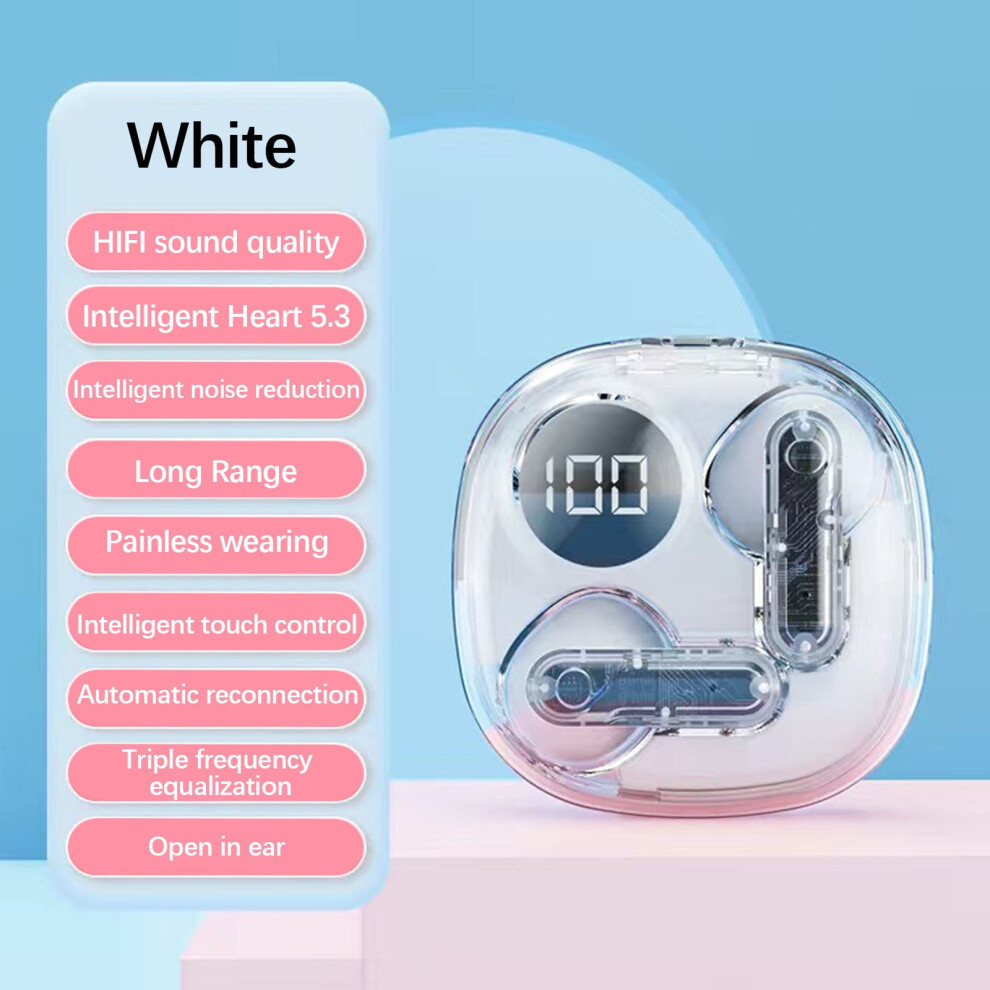
Wireless Bluetooth Headset In-ear Headset Sports Gaming Headset Smartphone Headset Noise Canceling Headset, Bluetooth Headset
Approx. GBP 24.48
48.96
Final price on merchant site
 Editor's choice

Affiliate disclosure: MSMN may earn from qualifying purchases. Prices and availability may change.




Comments