
Thailand Launches Initiative to Standardize Electric Vehicle Charging Stations: MSMN News
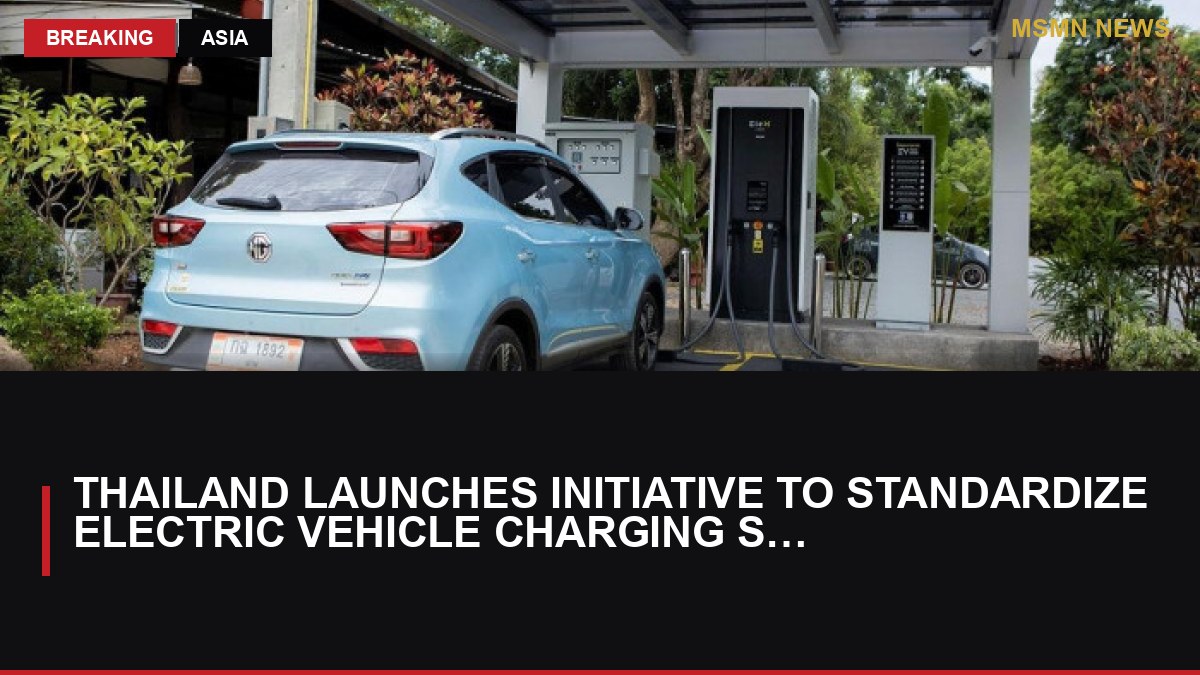
Thailand is taking significant steps to unify its electric vehicle charging infrastructure as part of a national initiative led by the Energy Policy and Planning Office. This project aims to streamline services for EV users across the country.
- Devastating 7.7-Magnitude Earthquake Strikes Indonesia, Leaving 47 Dead: MSMN News
- Escalation of Violence in Southern Lebanon: MSMN News
- Arsenal Faces Manchester City in FA Community Shield Showdown: MSMN News
- Trump Proposes US Control Over the Strait of Hormuz: MSMN News
- Pietro Riva Secures Silver in Marathon at European Athletics Championships: MSMN News
Thailand's Push for Unified EV Charging Infrastructure
Thailand is embarking on a major project aimed at standardizing its electric vehicle (EV) charging infrastructure. This initiative is being spearheaded by the Energy Policy and Planning Office (Eppo), which is working to bring together various charging station operators under a single standard. The goal is to simplify the charging process for EV users, making it easier for motorists to access charging stations regardless of the operator.
The move comes at a crucial time as the adoption of Electric Vehicles continues to rise in Thailand. With the government actively promoting the use of EVs to reduce carbon emissions and improve air quality, the need for a cohesive charging network has become increasingly apparent. Currently, EV users face challenges due to the fragmented nature of charging stations across the country. Each operator has its own system, which can lead to confusion and inconvenience for drivers.
The Current State of EV Charging in Thailand
As it stands, Thailand's Ev Charging infrastructure is diverse but inconsistent. Different charging stations operate under various standards, which can complicate the user experience. For instance, some stations may only support certain types of vehicles or require specific payment methods. This lack of uniformity can deter potential EV buyers who may be concerned about the availability and accessibility of charging options.
The Thai government has recognized that a unified charging system is essential to encourage the growth of the EV market. By creating a standardized framework, officials hope to not only enhance the convenience for current EV owners but also attract new users to the market. The initiative aligns with the government’s broader environmental goals, which include reducing greenhouse gas emissions and promoting sustainable energy sources.
Eppo's Role in the Project
The Energy Policy and Planning Office is at the forefront of this initiative. Eppo has been tasked with coordinating efforts among various stakeholders, including private charging station operators, automotive manufacturers, and government agencies. This collaboration is crucial for developing a comprehensive plan that meets the needs of all parties involved.
Eppo's strategy includes establishing guidelines for charging station installations, maintenance, and operation. By setting these standards, the office aims to ensure that all charging stations are compatible with a wide range of electric vehicles, thereby enhancing user convenience. Additionally, the project will likely involve the creation of a centralized platform where users can locate available charging stations, check their status, and even make payments seamlessly.
Benefits of a Unified Charging Network
The benefits of a standardized EV charging network extend beyond mere convenience. One significant advantage is the potential boost to the EV market itself. A reliable and user-friendly charging infrastructure can encourage more consumers to consider purchasing electric vehicles. This is particularly important in a country like Thailand, where the government is pushing for a substantial increase in EV adoption to meet its environmental targets.
Moreover, a unified system can lead to economies of scale for charging station operators. By adhering to a common standard, these operators can reduce costs associated with technology and maintenance. This, in turn, may translate into lower charging fees for consumers, making EV ownership more financially attractive.
Public Reaction and Industry Support
The initiative has garnered a mixed response from the public and industry stakeholders. Many EV owners express optimism about the prospect of a unified charging network, viewing it as a necessary step toward making electric vehicles more practical for everyday use. They believe that standardization will alleviate many of the concerns associated with charging accessibility and compatibility.
However, some industry players have raised concerns about how the implementation of a single standard might affect competition. Charging station operators who have invested in their own technologies may be apprehensive about the potential costs associated with transitioning to a new system. Eppo has indicated that it will engage with these stakeholders throughout the process to address their concerns and ensure a smooth transition.
Timeline and Next Steps
While the specifics of the timeline for this initiative are still being finalized, Eppo aims to roll out the new standards in phases. Initial discussions among stakeholders have already begun, and a draft proposal for the unified charging system is expected to be released in the coming months. Public consultations will also be held to gather feedback from EV users and industry experts.
As the project progresses, Eppo will likely focus on pilot programs to test the new standards in select areas before a nationwide rollout. This approach will help to identify any potential challenges and make necessary adjustments based on real-world feedback.
The Future of Electric Vehicles in Thailand
The unification of EV charging standards is just one part of Thailand's broader strategy to promote electric vehicles. The government has set ambitious targets for EV adoption, aiming for a significant percentage of new vehicle sales to be electric by the end of the decade. This includes not only passenger vehicles but also commercial vehicles, which are expected to play a vital role in reducing emissions in urban areas.
In parallel with the charging standardization efforts, Thailand is also investing in the development of local EV manufacturing capabilities. This includes support for both domestic and international companies looking to establish production facilities in the country. By fostering a robust EV ecosystem, Thailand hopes to position itself as a leader in the Southeast Asian electric vehicle market.
As the country moves forward with these initiatives, the unification of EV charging infrastructure will be a critical factor in determining the success of its electric vehicle strategy. A reliable and accessible charging network will not only enhance the user experience but also contribute to the broader goals of Sustainability and environmental protection.
In summary, Thailand's initiative to standardize its electric vehicle charging infrastructure represents a significant step toward making electric mobility more accessible and user-friendly. With the Energy Policy and Planning Office leading the charge, the country is poised to create a cohesive network that meets the needs of both current and future EV users. The success of this project could have far-reaching implications for the growth of the electric vehicle market in Thailand and beyond.
Source / Reference
Reporting by MSMN News, based on publicly available source material.
Source: Bangkok Post
Reference link: https://www.bangkokpost.com/business/general/3294292/project-aims-to-unify-ev-charging-bases
Recommended products
 -20%
-20%
 Editor's choice

Affiliate disclosure: MSMN may earn from qualifying purchases. Prices and availability may change.


Comments