
Tensions Rise Between the U.S. and Iran Amid Ongoing Middle East Conflicts: MSMN News
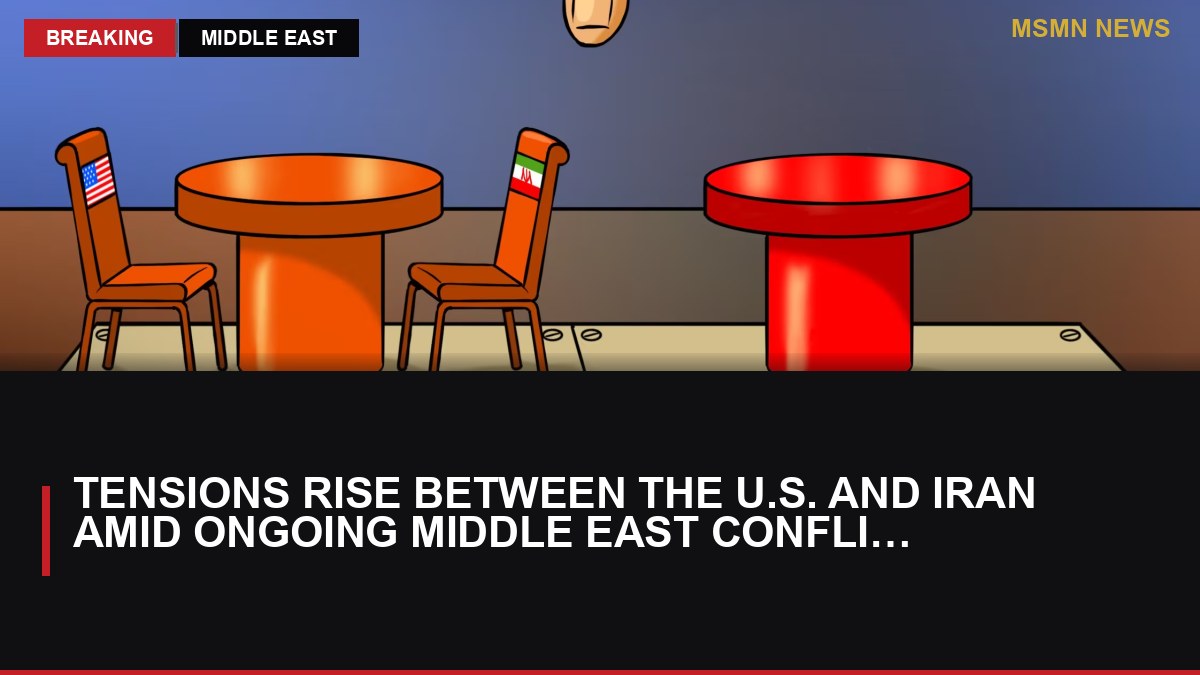
As military actions and hostile rhetoric escalate between the U.S. and Iran, the implications for regional stability are profound. With both nations entrenched in their positions, the call for diplomacy becomes increasingly urgent.
- Kieran Culkin to Lead Disney's Animated Film 'Clay': MSMN News
- Perseid Meteor Shower Peaks: A Celestial Spectacle Awaits Enthusiasts: MSMN News
- Marvel's Avengers: Doomsday Trailer Unveils Doctor Doom's Impact on the MCU: MSMN News
- Ireland Prepares for Rare Solar Eclipse: MSMN News
- Hannah Einbinder Aims to Retain Emmy Title Amidst Strong Competition: MSMN News
Background on U.S.-Iran Relations
The relationship between the United States and Iran has been fraught with tension for decades, marked by a series of conflicts, diplomatic standoffs, and mutual distrust. The Iranian Revolution in 1979, which led to the overthrow of the U.S.-backed Shah, set the stage for years of animosity. Since then, the two nations have engaged in a complex interplay of sanctions, military threats, and occasional diplomatic efforts aimed at easing tensions.
In recent years, particularly following the U.S. withdrawal from the Joint Comprehensive Plan of Action (JCPOA) in 2018, relations have deteriorated further. The re-imposition of economic sanctions by the Trump administration severely impacted Iran's economy and led to increased hostilities in the region. As both nations navigate this intricate landscape, the stakes continue to rise, with implications that extend far beyond their borders.
Current State of Affairs
As of August 2026, the situation in the Middle East is increasingly volatile. Reports indicate that military actions and hostile rhetoric are on the rise. The U.S. has ramped up its military presence in the region, citing threats from Iranian-backed groups and the need to protect its allies, particularly Israel and Saudi Arabia. Concurrently, Iran has responded with its own displays of military strength, including missile tests and naval exercises in the Persian Gulf.
The escalation comes amid ongoing discussions regarding Nuclear Negotiations, which have seen little progress. Both sides appear entrenched in their positions, with the U.S. demanding that Iran cease its nuclear ambitions and support for militant groups, while Iran insists on the lifting of sanctions and recognition of its regional influence. This impasse leaves little room for compromise, and the rhetoric from both sides has grown increasingly aggressive.
Public Reaction and Regional Implications
The public response to the escalating tensions has been mixed. In the U.S., there is a growing concern among citizens about the prospect of another military engagement in the Middle East. Many Americans remember the long and costly wars in Iraq and Afghanistan, and there is a palpable wariness about entering into another conflict. Activist groups have begun to mobilize, calling for diplomatic solutions rather than military action.
In contrast, in Iran, the government has used the tensions to bolster nationalistic sentiments. State media frequently portrays the U.S. as an aggressor, framing the conflict as a struggle for sovereignty and independence. This narrative resonates with many Iranians, particularly in a country that has faced decades of external pressure and sanctions. The Iranian leadership has emphasized its commitment to defending the nation’s interests, even as economic conditions continue to deteriorate due to sanctions.
Key Players and Their Roles
Several key players are influencing the dynamics between the U.S. and Iran. The Biden administration has taken a more diplomatic approach compared to its predecessor, but it faces significant pressure from Congress and allies to adopt a tougher stance against Iran's military activities. The administration is also navigating complex relationships with other countries in the region, including Israel, which has consistently advocated for strong action against Iran’s nuclear program.
On the Iranian side, President Ebrahim Raisi's administration has taken a hardline position, arguing that the country's right to nuclear technology is non-negotiable. Raisi has also sought to strengthen ties with Russia and China, viewing these relationships as crucial counterbalances to U.S. influence in the region. This pivot towards stronger alliances with non-Western nations highlights Iran's strategy to counterbalance perceived threats from the U.S. and its allies.
The Role of International Dynamics
The international community plays a significant role in the U.S.-Iran tensions. European nations, particularly those that were part of the JCPOA, have been attempting to mediate between the two sides. Countries like France and Germany have expressed their desire for a diplomatic resolution, urging both the U.S. and Iran to return to the negotiating table. However, their influence is limited, and the complexities of the negotiations have often left them in a precarious position.
Additionally, the geopolitical landscape is shifting, with countries like Russia and China becoming increasingly involved in Middle Eastern affairs. Their support for Iran, both politically and economically, complicates the situation further. As these nations strengthen their ties with Tehran, the U.S. finds itself in a challenging position, needing to balance its interests in the region while countering the growing influence of its rivals.
Future Prospects
Looking ahead, the trajectory of U.S.-Iran relations remains uncertain. The potential for conflict looms large, particularly if provocations continue from either side. Analysts warn that a miscalculation could lead to a military confrontation, which would have devastating consequences not only for the two nations but also for the entire region.
Diplomatic efforts are ongoing, but the path to a resolution appears fraught with challenges. The U.S. has expressed a willingness to return to the negotiating table, but Iran's demands for sanctions relief complicate the dialogue. Both sides will need to find common ground to avoid further escalation. Observers are watching closely for any signs of compromise or movement towards de-escalation, particularly as international pressure mounts for a peaceful resolution.
The Human Cost of Conflict
As tensions escalate, it is essential to consider the human cost of potential conflict. Civilians in both Iran and the U.S. could bear the brunt of military engagements, with the repercussions extending to neighboring countries as well. The history of conflict in the region has shown that wars often lead to humanitarian crises, displacing populations and causing widespread suffering.
In Iran, the economic impact of sanctions has already led to significant hardships for the populace. The ongoing tensions only exacerbate these challenges, as the government struggles to maintain stability amid rising inflation and unemployment. In the U.S., the prospect of military action raises concerns about the potential loss of American lives, as well as the financial implications of another prolonged engagement in the Middle East.
Conclusion: A Call for Diplomacy
As tensions rise between the U.S. and Iran, the need for Diplomacy has never been more critical. Both nations must navigate their complex histories and current realities to find a way forward that prioritizes peace and stability in the Middle East. The international community is watching closely, and the actions taken in the coming weeks and months will have lasting implications for regional security.
In this climate of uncertainty, the call for dialogue and understanding is essential. It remains to be seen whether both sides can overcome their entrenched positions and work toward a more peaceful coexistence. The stakes are high, and the world is holding its breath as this situation continues to unfold. The urgency for a diplomatic solution cannot be overstated, as the potential for conflict looms large over an already fragile region.
Source / Reference
Reporting by MSMN News, based on publicly available source material.
Source: The National UAE
Reference link: https://www.thenationalnews.com/opinion/cartoon/2026/08/04/us-iran-war-talks-strikes-middle-east/
Recommended products



Affiliate disclosure: MSMN may earn from qualifying purchases. Prices and availability may change.


Comments