
Concerns Mount Over Indian Farm Exports Amid Global Trade Scrutiny: MSMN News
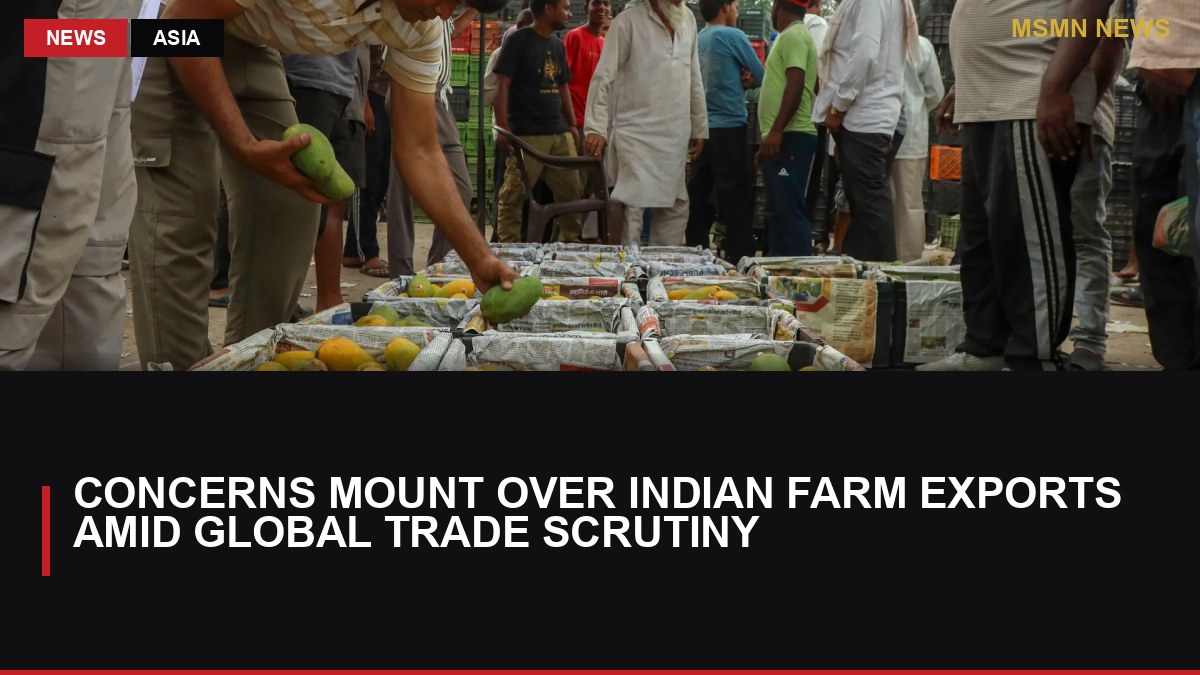
As Japan, China, and European nations impose bans and inspections on Indian agricultural products, farmers and exporters face uncertainty about their livelihoods and the future of Indian agriculture.
In a troubling turn of events for India's agricultural sector, a wave of scrutiny from several countries has raised alarms over the safety and quality of Indian farm exports. Nations such as Japan, China, and various European countries have recently implemented bans or heightened inspections on products coming from India, particularly focusing on mangoes, rice, and spices. This situation has left Indian farmers and exporters questioning the future of their businesses and the integrity of their goods on the international market.
The immediate catalyst for these concerns arose when Japan announced it would no longer accept mango shipments from India due to fears of pesticide residue. In a similar vein, China has imposed restrictions on Indian rice imports, citing contamination worries. Meanwhile, European inspectors have flagged Indian spices for potential health risks, prompting stricter checks at borders. These actions reflect growing apprehension about Food Safety standards in India, a nation that ranks among the top exporters of agricultural products globally.
The implications of these trade barriers are significant not just for the farmers who depend on exports for their livelihoods, but also for the broader Indian economy, which relies heavily on Agriculture. With India being one of the largest producers of mangoes, rice, and various spices, the restrictions threaten to disrupt supply chains and impact the incomes of millions. Farmers are now faced with the prospect of reduced demand for their products and the possibility of financial losses, which could ripple through rural communities that are already vulnerable.
To understand why these nations have raised red flags, it is essential to consider the broader context of food safety regulations and international Trade norms. Many countries have stringent standards in place to protect consumers from potential health hazards associated with agricultural imports. The recent actions against Indian exports highlight the critical importance of compliance with these regulations. India has long struggled with issues related to agricultural quality control, including the use of pesticides and chemical fertilizers that can leave harmful residues on produce. The challenge now is for Indian farmers and exporters to navigate these complex regulations while ensuring their products meet the required standards.
Moreover, the timing of these bans comes at a particularly sensitive moment for Indian agriculture. With the global market recovering from the impacts of the COVID-19 pandemic, there was hope that exports would surge, providing much-needed economic relief to farmers. However, these recent developments threaten to undermine that potential recovery. Farmers and exporters are now calling on the Indian government to take swift action to address the concerns raised by these countries, seeking support in enhancing quality control measures and improving communication with international partners.
The Indian government has responded to these trade restrictions with assurances that it is committed to maintaining high food safety standards. Officials have indicated that they will work closely with international agencies to ensure compliance and to restore confidence in Indian agricultural products. However, the path forward remains fraught with challenges. Farmers are demanding more transparency and clarity regarding the specific issues that led to these bans, as they seek to understand how to adapt their practices to meet international expectations.
As the situation unfolds, public reaction has been mixed. While some express concern over the potential economic fallout of these trade barriers, others are calling for stricter adherence to safety standards, arguing that it is essential for the long-term viability of India's agricultural exports. The debate highlights a critical tension between the need for economic growth and the imperative of ensuring food safety.
The road ahead for Indian agriculture is uncertain. Farmers are calling for immediate government intervention to address the issues at hand and to facilitate better market access. There are calls for initiatives to educate farmers about best practices in pesticide use and handling, as well as investments in technology that can help ensure compliance with international standards. As the global market continues to evolve, Indian exporters must adapt to these changes, not only to regain lost market share but also to secure a competitive edge in a crowded marketplace.
Looking forward, stakeholders in the agricultural sector will be watching closely to see how the Indian government navigates this crisis. There is a pressing need for dialogue between farmers, exporters, and government officials to foster a collaborative approach to addressing food safety concerns. As inspections tighten and bans continue, the urgency for reform in agricultural practices has never been clearer. The future of Indian farm exports hangs in the balance, and it will require concerted efforts from all parties involved to restore trust and ensure the sustainability of this vital sector.
In conclusion, the recent actions taken by Japan, China, and European countries serve as a stark reminder of the complexities of global trade and the critical importance of food safety. As the Indian agricultural sector grapples with these challenges, the need for cooperation and innovation has never been more pressing. Farmers and exporters alike face an uphill battle, but with the right support and strategies, there is hope for a turnaround that can strengthen India's position in the global agricultural market.
The ongoing scrutiny over Indian agricultural exports has also sparked discussions about the need for broader reforms in the sector. Experts suggest that enhancing agricultural practices, investing in research and development, and improving infrastructure could play a significant role in addressing the quality concerns raised by international markets. Furthermore, there is a growing recognition that transparency in the supply chain is essential for building trust with foreign buyers.
As countries around the world increasingly prioritize food safety, Indian farmers may need to adopt more sustainable practices. This includes not just reducing pesticide use, but exploring organic farming methods that could open new markets and appeal to health-conscious consumers. By aligning with global trends toward sustainability, Indian agriculture could not only regain market access but also position itself as a leader in the export of safe and healthy food products.
In addition, the Indian government may need to engage in diplomatic efforts to address the trade barriers imposed by other nations. Building stronger relationships with trading partners and participating in international forums on food safety could help India advocate for its agricultural products and clarify its commitment to quality standards. The stakes are high, and the outcome will significantly impact the livelihoods of millions of farmers and the overall health of the Indian Economy.
As the global agricultural landscape continues to evolve, the ability of Indian farmers and exporters to adapt will be crucial. Stakeholders must remain vigilant and proactive in addressing the challenges posed by international scrutiny. The future of Indian farm exports depends on a collective commitment to quality, safety, and sustainability, ensuring that the nation can continue to thrive in the competitive global market for agricultural goods.
Source / Reference
Reporting by MSMN News, based on publicly available source material.
Source: Al Jazeera English
Reference link: https://www.aljazeera.com/news/2026/8/12/why-have-several-nations-raised-red-flags-over-indian-farm-exports?traffic_source=rss
Recommended products
OnBuy.com
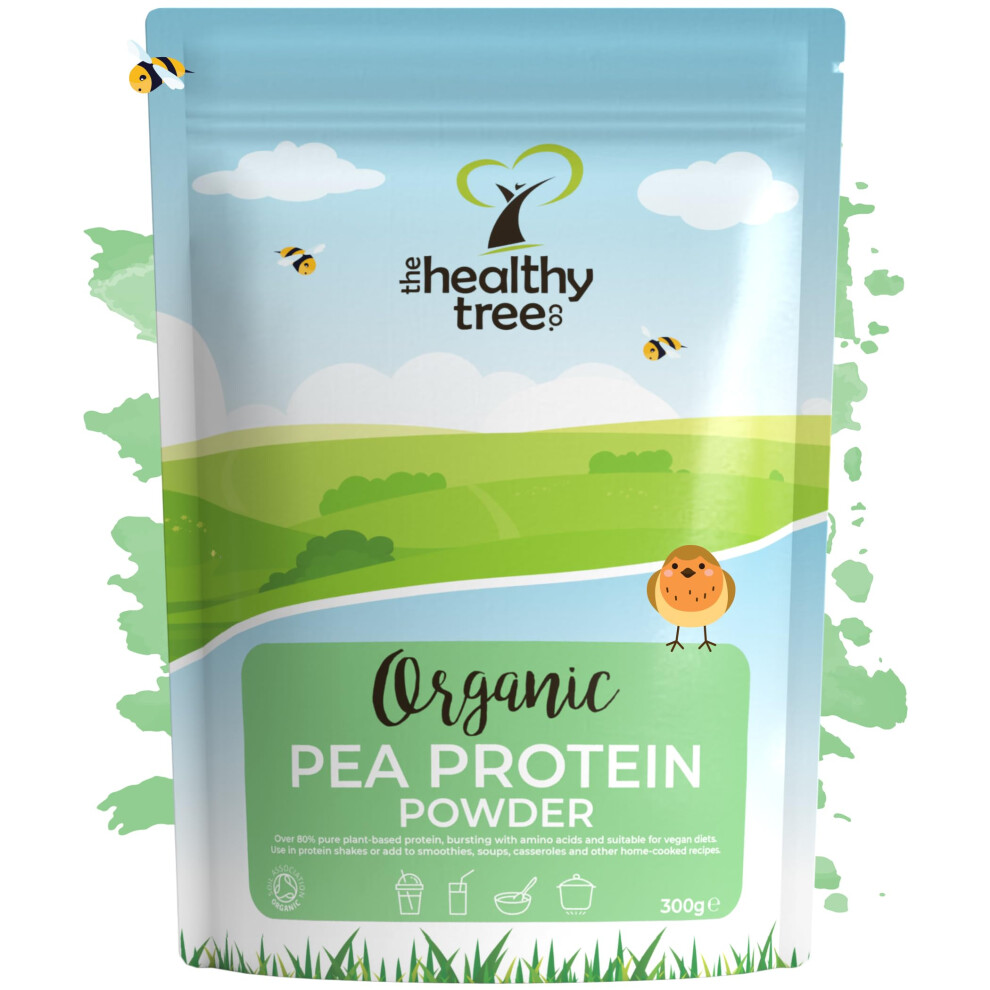
Organic Pea Protein Powder - European Vegan Protein Powder by
Approx. GBP 14.62 Final price on merchant site

 Editor's choice
Affiliate disclosure: MSMN may earn from qualifying purchases. Prices and availability may change.



Comments