
Escalating Conflict Between Russia and Ukraine Shows No Signs of Abating: MSMN News
Follow MSMN
Official channels from Martins Studio Media Network.
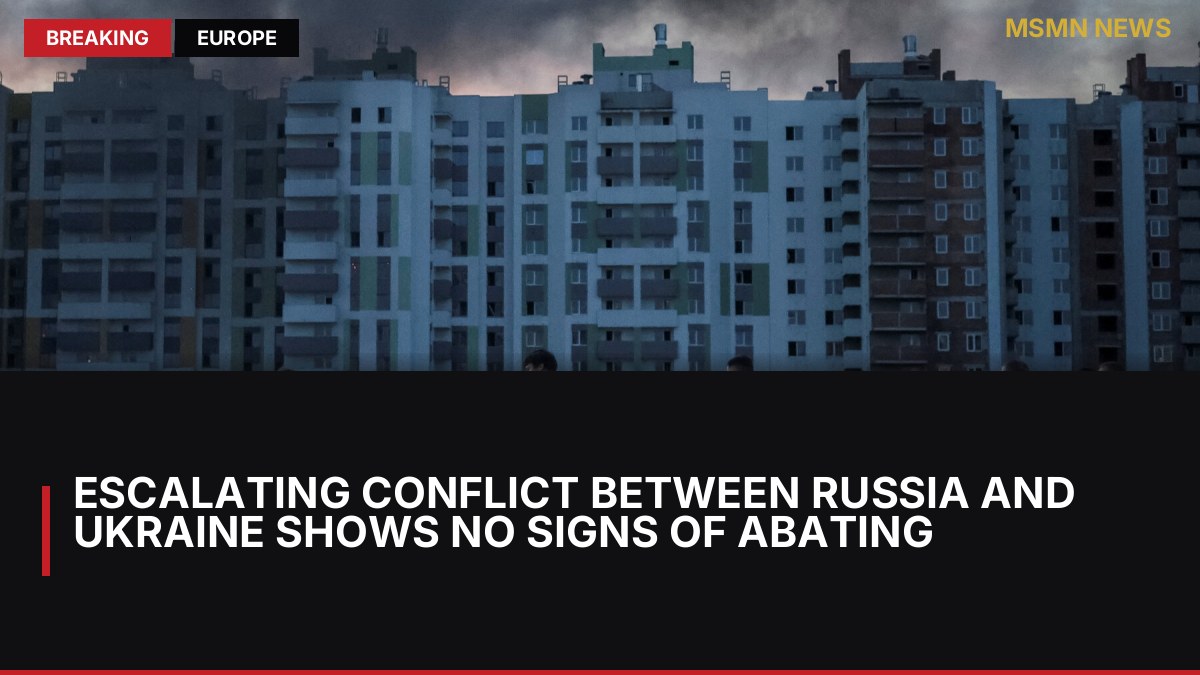
The ongoing conflict between Russia and Ukraine continues to escalate, with both sides employing advanced weaponry in a relentless struggle that has led to widespread human suffering and no clear resolution in sight.
- Investigation Launched into Violent Incidents at Torino Minimarket: MSMN News
- Gloria Steinem, Icon of American Feminism, Passes Away at 92: MSMN News
- Meloni Government Approaches Milestone of Longevity, Celebrating with Festivities: MSMN News
- Celebrating a Century of Cinematic Brilliance: The Legacy of Buster Keaton's 'The General': MSMN News
- Australia Tightens Regulations on Crypto Businesses Ahead of October Deadline: MSMN News
The war between Russia and Ukraine, which has now entered a new phase of intensified Conflict, is marked by a relentless exchange of missiles and drones that is exacting a heavy toll on both military personnel and civilians. As both nations dig in their heels, the prospect of a peaceful resolution appears increasingly elusive. The situation has become a grim reminder of the human cost of war, with each side determined to outlast the other while inflicting maximum damage. This ongoing struggle has not only devastated the regions directly involved but has also reverberated across the globe, impacting economies and prompting humanitarian crises.
In recent weeks, the conflict has escalated dramatically, with reports indicating a surge in missile strikes and drone attacks. Ukraine has ramped up its offensive capabilities, utilizing advanced technology and weaponry supplied by its Western allies. Meanwhile, Russia has responded with its own barrage of attacks, focusing particularly on Ukrainian infrastructure and military installations. This tit-for-tat escalation raises concerns about the potential for an even broader conflict, as both sides seem unwilling to back down.
The war, which began in 2014 with Russia's annexation of Crimea, has since evolved into a full-scale conflict following Russia's invasion in February 2022. Initially, there was a glimmer of hope for diplomatic solutions, with various peace talks attempted in the months following the invasion. However, as the fighting intensified, those discussions faltered. The situation has now devolved into a protracted stalemate, with each side entrenched in its positions and unwilling to make concessions.
Analysts suggest that the current dynamics of the conflict are fueled by a combination of factors, including national pride, territorial integrity, and the desire for regional dominance. For Ukraine, the fight is about sovereignty and the right to self-determination. For Russia, it is about reasserting its influence in what it considers its sphere of influence. This clash of narratives has made it difficult for either side to consider compromise, further entrenching the conflict.
As the military engagement continues, the humanitarian impact becomes increasingly dire. The United Nations and various non-governmental organizations have reported alarming figures regarding civilian casualties and displacement. Thousands of people have been killed or wounded since the onset of full-scale hostilities, with millions more forced to flee their homes. The ongoing bombardments have left communities in ruins, with critical infrastructure such as hospitals, schools, and utilities severely damaged or destroyed. The international community has condemned the violence and called for an immediate ceasefire, but these appeals have largely gone unheeded.
In addition to the immediate human toll, the conflict has also triggered a broader economic crisis, affecting not only the nations involved but also global markets. Food security has emerged as a significant concern, particularly given that Ukraine is one of the world’s largest grain producers. Disruptions in agricultural production and supply chains have led to rising prices and shortages in various regions, exacerbating the challenges faced by vulnerable populations worldwide.
Looking ahead, the outlook remains bleak. Both Moscow and Kyiv appear locked in a cycle of escalation, with little indication that either side is prepared to negotiate peace. The conflict has become a test of wills, with both leaders viewing the continuation of hostilities as a means of reinforcing their political standing domestically and internationally. As winter approaches, the harsh conditions could further exacerbate the suffering of civilians, particularly those displaced by the fighting.
International reactions have also played a role in shaping the conflict. Western nations have largely thrown their support behind Ukraine, providing military aid and economic assistance. This influx of support has bolstered Ukraine’s defenses but has also drawn ire from Russia, which views this as an encroachment on its influence. In response, Russia has sought to strengthen ties with other countries, including those that have historically been more aligned with Moscow, as a counterbalance to Western support for Ukraine.
As the war drags on, the potential for diplomatic solutions appears to diminish. Calls for peace talks have been met with skepticism, as both sides remain entrenched in their positions. The international community continues to grapple with how to effectively mediate the conflict, but any attempts at intervention have so far fallen short. The complexity of the situation, coupled with the deep-seated animosities between the two nations, makes finding a resolution increasingly challenging.
In the meantime, the human cost of the conflict continues to mount. Families are torn apart, communities are shattered, and the scars of war deepen. Each missile launched and each drone deployed serves as a stark reminder of the ongoing suffering endured by countless individuals caught in the crossfire. As the world watches, the question remains: how much longer can this cycle of violence continue before a path to peace is found? With no end in sight, the future remains uncertain, and the hope for a resolution dims with each passing day. The international community must continue to advocate for peace and provide humanitarian support to those affected by this devastating conflict, as the repercussions of inaction could be felt for generations to come.
As the situation evolves, it is crucial to remain vigilant and informed about the developments in this ongoing crisis. The resilience of the people affected by the war is commendable, but their plight deserves attention and action from the global community. With the stakes so high, the need for a concerted effort to bring about a peaceful resolution has never been more urgent. The war in Ukraine is not just a regional conflict; it is a global concern that demands a unified response to alleviate the suffering and pave the way for a better future.
As the conflict continues to unfold, the world watches with bated breath, hoping for a breakthrough that could finally bring an end to the bloodshed. Until then, the cycle of violence shows no signs of abating, leaving a trail of devastation in its wake. The resilience of the affected populations and the determination of the international community will be crucial in navigating this complex and tragic situation, as the quest for peace remains a distant goal amidst the chaos of war.
Source / Reference
Reporting by MSMN News, based on publicly available source material.
Source: NYT World
Reference link: https://www.nytimes.com/2026/09/03/world/europe/russia-ukraine-escalation.html
Recommended products
 -32%
-32%
 Editor's choice

Affiliate disclosure: MSMN may earn from qualifying purchases. Prices and availability may change.




Comments