
Iran and US Set New Conditions in Hormuz Talks, Impacting Oil Prices: MSMN News
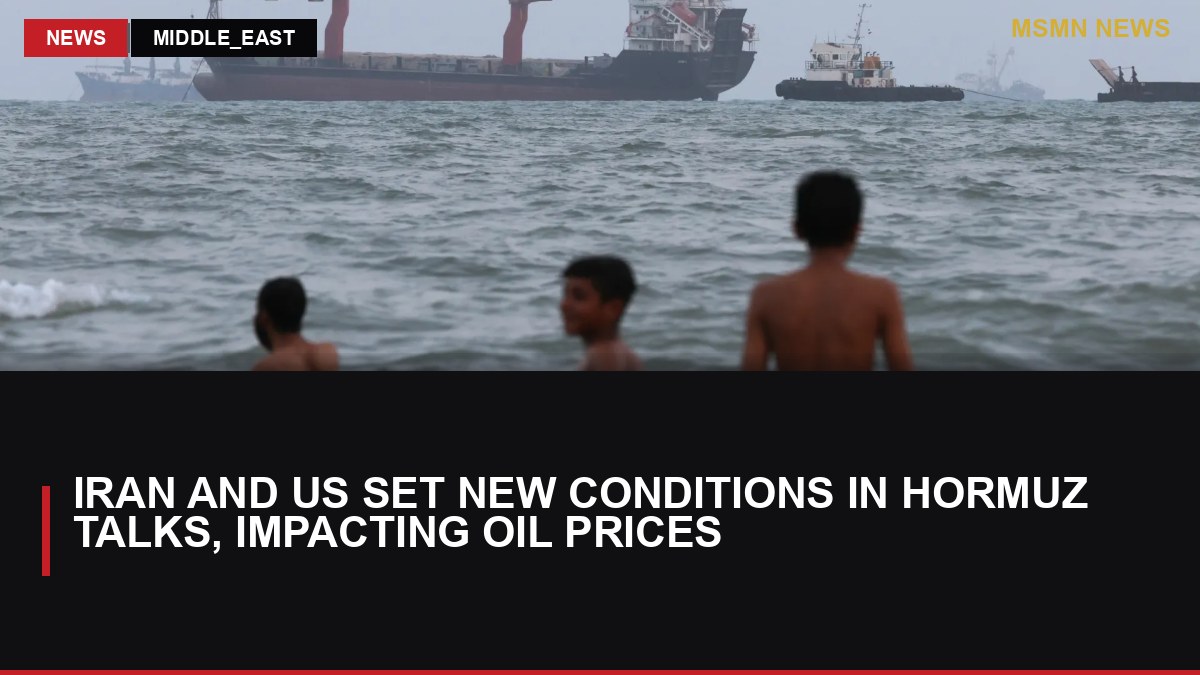
Tensions are escalating as negotiations between the United States and Iran regarding the crucial Strait of Hormuz have reached an impasse, resulting in a surge in oil prices.
Tensions are escalating as negotiations between the United States and Iran regarding the crucial Strait of Hormuz have reached an impasse, resulting in a surge in Oil Prices. The Strait of Hormuz, a vital maritime corridor through which a significant portion of the world’s oil supply is transported, has become the center of a complex diplomatic standoff that reflects broader geopolitical tensions. The latest round of discussions, aimed at addressing security concerns in this strategically important waterway, has been marred by competing demands from both sides, raising fears of potential disruptions in global oil markets.
The talks, which began amid rising concerns over the safety of maritime navigation in the Gulf region, have been characterized by both parties setting forth new conditions that complicate the dialogue. The United States has been focused on ensuring freedom of navigation and preventing Iranian aggression in the Gulf, while Iran is adamant about having its security concerns addressed, particularly in light of recent military activities in the region. This stalemate comes at a time when the global economy is still recovering from the shocks of previous oil price fluctuations, making the stakes even higher for both nations and the international community.
As the discussions falter, oil prices have reacted sharply, rising in response to uncertainties surrounding the potential for conflict in the region. Analysts are closely monitoring the situation, as any significant escalation could lead to further disruptions in oil supply, thereby impacting prices globally. The market's sensitivity to geopolitical developments has never been more pronounced, with traders reacting to news from the negotiations as closely as they would to actual military actions.
The backdrop to these talks is a long history of hostilities between the United States and Iran, which has been marked by sanctions, military confrontations, and diplomatic failures. The Strait of Hormuz has been a flashpoint for these tensions, with both countries vying for influence over the region. The United States has maintained a military presence in the Gulf, citing the need to protect its interests and ensure the safety of shipping lanes. Conversely, Iran views the presence of U.S. forces as a direct threat to its sovereignty, leading to a cycle of provocations and retaliatory measures.
In recent months, incidents involving Iranian vessels and U.S. naval forces have heightened fears of miscalculation that could lead to a broader conflict. The U.S. has accused Iran of attempting to seize commercial vessels and harassing ships in the Gulf, while Iran has countered that it is merely defending its waters. This tit-for-tat dynamic complicates the negotiating process, as both sides are wary of appearing weak or conceding too much.
The implications of the stalled talks extend beyond immediate oil price fluctuations. A prolonged stalemate could embolden hardliners within Iran who oppose any form of engagement with the United States, potentially derailing diplomatic efforts altogether. In the U.S., the Biden administration faces pressure from various factions, including those advocating for a tougher stance on Iran and others calling for renewed diplomacy. This internal political pressure adds another layer of complexity to the negotiations, as both sides must navigate not only their own demands but also the expectations of their respective domestic audiences.
Looking ahead, the prospects for resuming productive dialogue remain uncertain. Analysts suggest that both parties may need to reassess their positions and find common ground if they are to prevent a further escalation of tensions in the region. The international community, particularly countries that rely heavily on oil imports, is watching closely, as any significant disruption in the Strait of Hormuz could have far-reaching economic consequences.
In the meantime, the situation in the Gulf continues to evolve, with both sides potentially looking for ways to de-escalate tensions without losing face. Diplomatic backchannels may be employed to facilitate communication, while public posturing continues to play a crucial role in shaping perceptions on both sides. As the world watches these developments unfold, the importance of the Strait of Hormuz as a critical juncture for global energy supplies cannot be overstated. Any misstep in the negotiations could lead to a situation that spirals out of control, impacting not only the regional players but also the global economy at large.
The heightened stakes surrounding the Strait of Hormuz negotiations underscore the complexity of modern diplomacy, where national interests collide with the realities of a globalized economy. As the United States and Iran grapple with their competing demands, the world holds its breath, hoping for a resolution that can avert further conflict and stabilize the international oil market. The coming weeks will be crucial in determining whether these talks can be revived or if the situation will deteriorate further, leading to potential confrontations in one of the world’s most strategically significant regions. The intricate web of geopolitical interests involved makes it clear that the implications of these negotiations extend far beyond the immediate parties, affecting global energy security and economic stability.
As both nations consider their next moves, the outcome of these discussions will likely shape not only their bilateral relations but also the broader geopolitical landscape in the Middle East and beyond. With oil prices fluctuating in response to the ongoing uncertainty, the stakes have never been higher for both Iran and the United States as they navigate these treacherous waters in search of a diplomatic solution. The world watches closely, aware that the resolution of this standoff could have profound implications for international relations and global energy markets in the years to come.
The Strait of Hormuz is not merely a local issue; it is a global one. Approximately 20% of the world’s oil passes through this narrow waterway, making its security vital not just for the countries in the region, but for economies around the world. Any disruptions in this passage can lead to immediate repercussions in oil prices, affecting everything from transportation costs to consumer prices in various countries.
In addition to the economic implications, the talks also carry significant political weight. For Iran, the ability to negotiate on its terms is crucial for its domestic stability, especially as it faces ongoing sanctions and economic hardships. The Iranian leadership is under pressure to demonstrate that it can stand up to U.S. demands while ensuring the country’s security and interests are prioritized.
On the U.S. side, the Biden administration must balance its approach to Iran with the broader strategic interests in the Middle East. This includes maintaining alliances with Gulf states that are wary of Iran’s ambitions and ensuring that any agreements do not undermine U.S. credibility in the region. The administration’s handling of these talks is being watched closely by both allies and adversaries, as a misstep could lead to a loss of influence in a region that has been a focal point of U.S. foreign policy for decades.
As both sides prepare for the next phase of negotiations, they must consider the broader implications of their actions. The potential for a military confrontation remains a looming threat, and both nations must tread carefully to avoid miscalculations that could spiral into conflict. The international community, particularly major oil-importing nations, is likely to increase diplomatic pressure on both Iran and the U.S. to find a resolution that ensures the safety of maritime navigation in the Strait of Hormuz.
With the world’s eyes on this critical juncture, the upcoming weeks will be pivotal in shaping the future of U.S.-Iran relations and the stability of global oil markets. The intersection of diplomacy, military presence, and economic interests creates a complex environment where every decision carries weight. As the situation unfolds, the importance of dialogue and negotiation cannot be understated, as both nations seek to navigate the intricate web of interests that define their relationship and the broader geopolitical landscape.
The potential outcomes of these talks could redefine not only the future of U.S.-Iran relations but also the dynamics of power in the Middle East. The world watches, hoping for a resolution that preserves peace and stability in one of the most volatile regions on the planet, while also safeguarding the flow of oil that is so vital to the global economy.
Source / Reference
Reporting by MSMN News, based on publicly available source material.
Source: Al Jazeera English
Reference link: https://www.aljazeera.com/news/2026/8/11/iran-us-set-new-conditions-during-hormuz-talks-what-does-this-mean?traffic_source=rss
Recommended products

OnBuy EU
Architektoniczny ROUTER ROUTER ZESTAW ROUTER ROUTER NEWDELI 1/2 RAITER RAITER KNOKTURACJA ROOTER ROUTER ROUTER ROUTER ROUTER BIT DO ZAWRUT
Approx. PLN 255.77 Final price on merchant site

OnBuy EU
Wolfride 5pcs 1/2 -calowy zestaw routerem Shank Cank Router Cover ROUTER ROUTER ROUTER ROUTER ROUTER ROUTER ROUTER ROUTER ZESTAW DREWNIKA | 1/8
Approx. PLN 369.80 Final price on merchant site
 -24%
-24%
OnBuy EU
Wifi6 Router Ai Router WiFi Router SIM Router LTE Cat7 Ασύρματος WiFi Router
Approx. EUR 79.25
104.78
Final price on merchant site
Affiliate disclosure: MSMN may earn from qualifying purchases. Prices and availability may change.
Quick answers
What is this story about?
Which MSMN desk covers this?
What are the key developments?
Related Stories

HISTORY-MAKING: Kerr’s mile world record: The sporting achievement of the year that went almost unnoticed: MSM: MSMN News

US renews strikes on Iran as Trump threatens to attack underground nuclear site: MSMN News

Iraqi Prime Minister Visits Turkey for Key Discussions on Energy, Water, and Security: MSMN News

Survivors Share Harrowing Experiences After Japan's 6.8-Magnitude Earthquake: MSMN News

Comments