
Iranian Kurdish Parties in Iraq Navigate Challenges Amid Ongoing Attacks: MSMN News
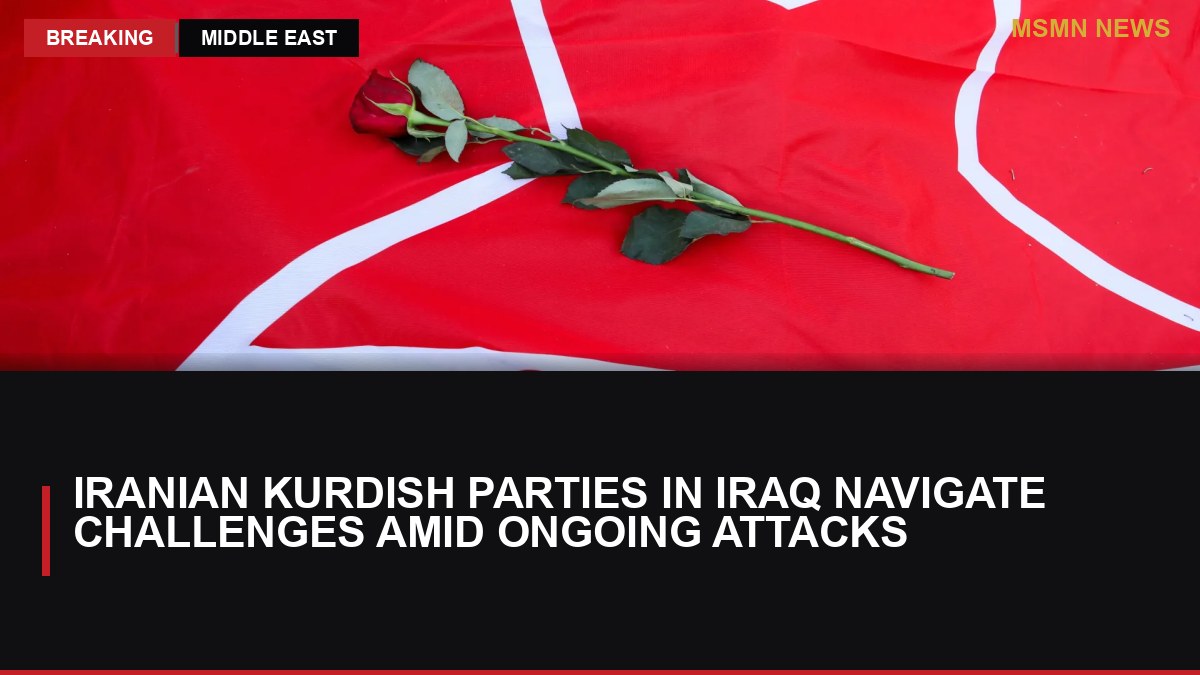
Iranian Kurdish parties in Iraq are under increasing military pressure from Iran, with complex dynamics affecting their political strategies and relationships.
- Census 2027: New Caste Recording Methodology Unveiled by Government: MSMN News
- Junior Doctors in Andhra Pradesh Launch Statewide Strike: MSMN News
- Marvel's Avengers: Doomsday Trailer Unveils Doctor Doom's Impact on the MCU: MSMN News
- Census 2027: Privacy Assured, New Questions Introduced in J&K and Ladakh: MSMN News
- Magnitude 5.7 Earthquake Strikes Indonesia: MSMN News
### Increasing Tensions in the Region
In recent months, Iranian Kurdish parties operating in Iraq have found themselves under increasing military pressure from Iran. These groups, which have historically sought autonomy and representation for Kurdish people, are now facing a precarious situation as Iranian forces ramp up their attacks. The conflict adds layers of complexity to the already volatile region, where political allegiances and territorial claims are constantly shifting.
The Iranian government has long viewed Kurdish groups as a threat, accusing them of harboring separatist ambitions. In retaliation, Iran has carried out a series of airstrikes and ground operations targeting these groups, particularly in areas close to the Iranian border. The ongoing military actions have raised alarms among Kurdish leaders, who are concerned about the implications for their safety and political future.
### Kurdish Groups’ Response
In the face of these attacks, various Kurdish factions have taken a stand, yet many are reluctant to openly acknowledge any support from external powers, particularly the United States. While some factions have hinted at receiving assistance, most have publicly denied any formal backing from the U.S. This denial appears to be a strategic move, aimed at maintaining their independence and avoiding direct confrontation with Iran, which could escalate into a broader conflict.
The Kurdish groups in Iraq, including the Kurdistan Democratic Party (KDP) and the Patriotic Union of Kurdistan (PUK), are navigating a delicate balance. They must protect their interests while also trying to avoid provoking Iran further. The political landscape for these groups is complicated; they must consider their relationships with both the Iraqi central government and the Iranian regime, which has significant influence in the region.
### The Role of the United States
The United States has historically played a significant role in the Middle East, particularly in Iraq. However, its involvement with Kurdish groups has been inconsistent. While the U.S. has supported Kurdish forces in their fight against ISIS, the current situation poses a dilemma for American policymakers. The U.S. must weigh the risks of deeper involvement against the potential for escalating tensions with Iran.
Diplomats have expressed concerns that any overt military support for Kurdish groups could lead to a retaliatory response from Iran. This has led to a cautious approach from Washington, as officials seek to balance support for Kurdish autonomy with the need to maintain stability in the region. The lack of clear U.S. policy regarding Kurdish forces may leave them vulnerable to Iranian aggression.
### Internal Kurdish Dynamics
Kurdish parties in Iraq are not monolithic; they have differing agendas and approaches to the Iranian threat. The KDP, which is more aligned with Turkey, seeks to strengthen its position by cooperating with regional powers. In contrast, the PUK has maintained a more conciliatory stance towards Iran, which complicates their ability to present a united front against external threats.
The internal divisions among Kurdish factions have made it difficult for them to respond effectively to Iranian attacks. Each group has its own leadership and strategic priorities, which can lead to conflicting responses to the Iranian military actions. This fragmentation could ultimately weaken their position in negotiations with both the Iraqi government and Iran.
### Civilian Impact
The ongoing military operations have not only targeted Kurdish fighters but have also had severe repercussions for civilians in the region. Many residents in areas affected by Iranian strikes have been displaced, forcing families to flee their homes in search of safety. The humanitarian situation is dire, with inadequate access to basic needs such as shelter, food, and medical care.
Local NGOs and international organizations have raised alarms about the escalating violence and its toll on civilians. The Kurdish parties are under pressure to address the humanitarian crisis while also defending their political interests, creating a challenging environment for leaders who must prioritize both security and the well-being of their constituents.
### International Reaction
The international community has been watching the developments closely. Human rights organizations have condemned Iran's military actions, calling for an immediate cessation of attacks against Kurdish groups and civilians. Some countries have expressed their support for Kurdish autonomy, while others remain cautious about getting involved in the conflict.
The United Nations has also called for dialogue among the parties involved, emphasizing the need for a peaceful resolution to the ongoing tensions. However, the effectiveness of international mediation remains uncertain, as local dynamics often overshadow external efforts. The geopolitical interests of regional powers, including Turkey and Iran, further complicate the situation, making it difficult for a consensus to emerge.
### Future Outlook
As Iranian attacks on Kurdish parties in Iraq continue, the future remains uncertain for these groups. With rising tensions and a complex geopolitical landscape, Kurdish factions must navigate their relationships with both Iran and the Iraqi government. The potential for increased military action from Iran looms large, and Kurdish leaders are acutely aware that their survival may depend on their ability to adapt to changing circumstances.
The Kurdish political landscape is likely to evolve as these groups reassess their strategies in light of ongoing threats. The delicate balance they must maintain could lead to new alliances or further fragmentation, as each faction weighs its options in a rapidly changing environment. The question of Kurdish autonomy remains central to their political aspirations, but the path forward is fraught with obstacles.
### Conclusion
The situation for Iranian Kurdish parties in Iraq is fraught with challenges. As they face increased military pressure from Iran, these groups must carefully navigate their political landscape while ensuring the safety of their members and constituents. The ongoing conflict underscores the complexities of regional politics in the Middle East, where historical grievances and modern ambitions collide. The international community's response, particularly from the United States, will play a crucial role in shaping the future of Kurdish autonomy and security in the region. The coming months will be critical as Kurdish factions attempt to forge a path forward amidst mounting adversities. With the potential for escalation on the horizon, all eyes will be on the Kurdish parties as they strive to maintain their identity and secure their future in an increasingly hostile environment.
Source / Reference
Reporting by MSMN News, based on publicly available source material.
Source: Al Jazeera English
Reference link: https://www.aljazeera.com/news/2026/8/1/iranian-kurdish-parties-in-iraq-face-a-delicate-balance-amid-iran-attacks?traffic_source=rss
Recommended products

 Editor's choice

Affiliate disclosure: MSMN may earn from qualifying purchases. Prices and availability may change.


Comments