
Public Discontent Brews Underneath Tunisia’s Quiet Surface: MSMN News
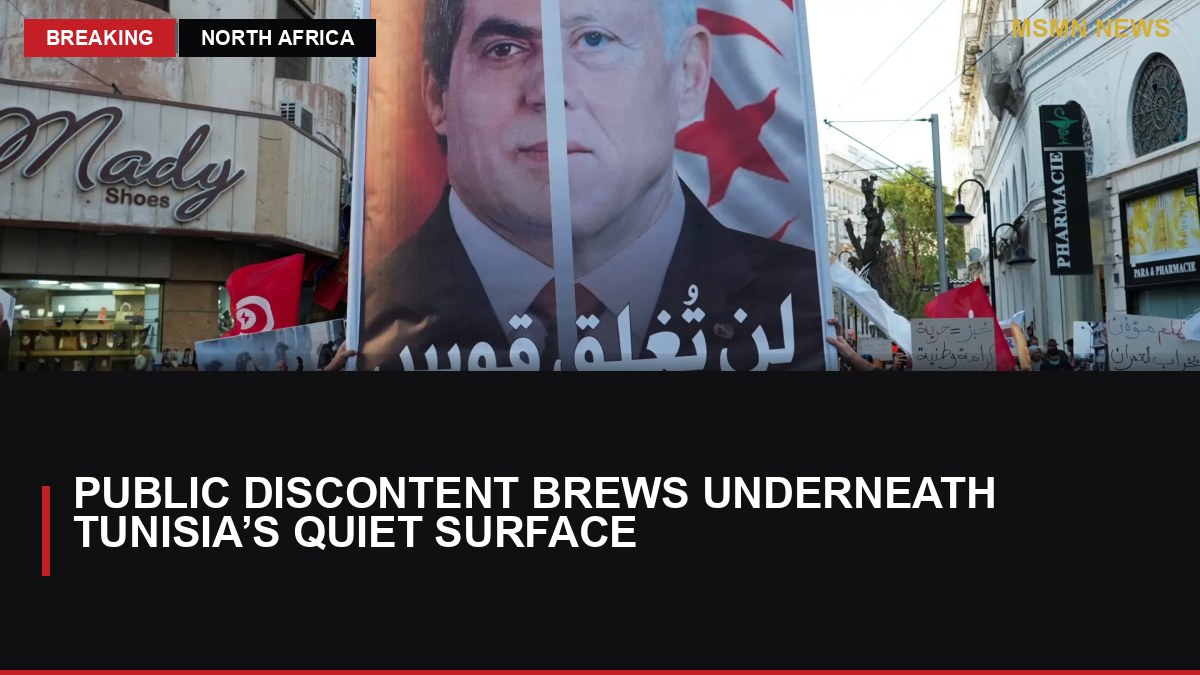
In Tunisia, a nation known for its pivotal role in the Arab Spring, public discontent is quietly intensifying beneath a veneer of enforced calm. While the government presents an image of stability, many citizens are grappling with rising economic hardships, increasing repression, and deteriorating public services.
- Congress Members with Family Stock Trades Under Scrutiny: MSMN News
- Sherrod Brown Launches Senate Campaign in Ohio: MSMN News
- Farmers’ union calls for NI Minister to resign amid row over shooting of cows: MSMN News
- Proposed Compromises from Law Society Seek Resolution to Criminal Legal Aid Dispute: MSMN News
- Teenage Themes and Fantasy Elements Explored in New Camp Film: MSMN News
Growing Frustration in Tunisia
In Tunisia, a nation known for its pivotal role in the Arab Spring, Public Discontent is quietly intensifying beneath a veneer of enforced calm. While the government presents an image of stability, many citizens are grappling with rising economic hardships, increasing repression, and deteriorating public services. This combination of factors is fueling a simmering anger that threatens to boil over if left unaddressed.
Economic Struggles and Declining Living Standards
The economic situation in Tunisia has taken a downward spiral in recent years. Inflation has surged, and many citizens find it increasingly difficult to afford basic necessities. The cost of living has risen sharply, while wages have stagnated, leading to a growing divide between the wealthy and the average citizen.
The government’s efforts to implement reforms have been met with skepticism. Many Tunisians feel that the measures are insufficient and do not address the root causes of their economic woes. The unemployment rate remains high, particularly among the youth, who are increasingly disillusioned about their prospects for the future.
The youth unemployment rate is particularly alarming, with many young people unable to find jobs that match their educational qualifications. This has led to a brain drain, as skilled individuals seek opportunities abroad, further exacerbating the economic challenges faced by the country. The frustration among the youth is palpable, as they feel that their dreams and aspirations are being stifled by a stagnant economy.
Repression and Control
In addition to economic challenges, the Tunisian government has adopted a more authoritarian approach in recent years. Authorities have cracked down on dissent, limiting freedom of speech and assembly. Activists and journalists have faced harassment, arrest, and intimidation for speaking out against the government.
This repression has created an atmosphere of fear. Many people are reluctant to voice their frustrations publicly, fearing repercussions. However, behind closed doors, conversations about discontent are becoming more frequent. Citizens are aware of the risks but feel compelled to express their grievances about the state of their country.
The government's tightening grip on civil liberties has led to a chilling effect on political discourse. Public demonstrations, once a hallmark of the Tunisian revolution, are now met with heavy-handed responses from security forces. The crackdown on dissent has drawn criticism from human rights organizations, which warn that such actions undermine the very foundation of democracy that Tunisians fought for in 2011.
Public Services in Crisis
The decline in public services further exacerbates the frustrations of everyday Tunisians. Hospitals struggle with inadequate resources, and many citizens report long wait times for medical care. Educational institutions are also facing challenges, with overcrowded classrooms and a lack of materials hindering the learning process for students.
Infrastructure issues are prevalent as well. Roads are in disrepair, and public transportation systems are unreliable. Many citizens feel that the government has failed to prioritize the needs of the populace, leading to a sense of abandonment. Citizens often express their concerns over the lack of basic amenities such as clean water and reliable electricity, which are essential for daily life.
The public sector, once a source of employment for many, is also facing significant challenges. Corruption and inefficiency have plagued various government departments, leading to a lack of trust among citizens. Many Tunisians feel that their voices are not heard when it comes to addressing these pressing issues, further fueling their discontent.
The Role of Social Media
Social Media plays a crucial role in shaping public opinion and facilitating discussions about grievances. Platforms like Facebook and Twitter have become outlets for Tunisians to share their frustrations and organize. Despite the risks, many citizens use these platforms to raise awareness about the issues they face, creating a sense of solidarity among those who feel marginalized.
Activists have been leveraging social media to mobilize support for their causes, calling for greater accountability from the government. However, this has also drawn the attention of authorities, who are increasingly monitoring online activity and cracking down on dissenting voices. The digital landscape has become a battleground for free expression, with many users facing harassment for their online activities.
The role of social media in Tunisia's current climate cannot be understated. It serves as both a tool for empowerment and a target for repression. As citizens navigate the complexities of expressing their grievances, social media remains a double-edged sword, offering a platform for voices that have long been silenced while simultaneously inviting government scrutiny.
A Silent Majority?
Despite the growing unrest, there remains a significant portion of the population that appears to be silent or indifferent. Some citizens express a sense of resignation, believing that protests or public outcry will not lead to meaningful change. Others are simply focused on their daily lives, trying to navigate the challenges posed by the current economic climate.
This silent majority may not be as apathetic as it seems. Many people are concerned about the future of their country but feel powerless to effect change. The fear of government reprisals has led to a culture of silence, where many choose to keep their opinions to themselves rather than risk confrontation.
Moreover, the historical context of Tunisia's political landscape plays a significant role in shaping public sentiment. The memories of the 2011 revolution are still fresh, and while they inspire hope, they also serve as a reminder of the potential consequences of dissent. Many citizens grapple with the balance between their desire for change and the fear of instability.
The Path Forward
As public anger continues to simmer, the government faces a critical juncture. Addressing the underlying issues that have led to discontent is essential to restoring trust among citizens. Economic reforms that genuinely benefit the populace, alongside a commitment to upholding civil liberties, could help diffuse tensions.
However, the path to reform is fraught with challenges. The government must navigate a delicate balance between maintaining order and addressing the legitimate grievances of its citizens. Failure to do so could lead to further unrest, as frustration reaches a breaking point.
The international community has a role to play in this process as well. Encouraging dialogue between the government and civil society can help pave the way for meaningful reforms. Support from international organizations could provide the necessary resources and expertise to help Tunisia address its pressing challenges.
International Observations
The international community is watching Tunisia closely. The country has been viewed as a beacon of hope in the Arab world since the 2011 revolution that sparked widespread protests across the region. However, the recent shift towards authoritarianism raises concerns about the future of democracy in Tunisia.
International organizations and foreign governments have urged the Tunisian authorities to respect human rights and engage in dialogue with civil society. The situation in Tunisia serves as a reminder of the complexities of governance in a post-revolutionary context, where the promise of democracy can sometimes give way to disillusionment.
The role of the international community is crucial in supporting Tunisia's journey toward stability and reform. Diplomatic efforts to promote human rights and democratic governance can help create an environment where citizens feel empowered to voice their concerns without fear of retribution.
Conclusion
As Tunisia grapples with these multifaceted challenges, the simmering anger among its citizens poses a significant risk to the stability of the nation. The government’s ability to respond effectively to the Economic Crisis, uphold civil liberties, and improve public services will be crucial in determining the country’s future. The quiet discontent that currently permeates Tunisian society could erupt into widespread protests if the situation does not improve, making it imperative for the government to take action.
The people of Tunisia are at a crossroads, navigating a complex landscape of frustration and hope. How the government responds in the coming months could shape the trajectory of the nation for years to come. The world will be watching closely as the situation unfolds, as Tunisia’s journey continues to evolve amidst the challenges it faces. The potential for change is palpable, but it will require concerted efforts from both the government and the citizens to foster a more inclusive and responsive political environment.
Source / Reference
Reporting by MSMN News, based on publicly available source material.
Source: Al Jazeera English
Reference link: https://www.aljazeera.com/news/2026/8/1/beneath-tunisias-silence-public-anger-simmers?traffic_source=rss
Recommended products



Affiliate disclosure: MSMN may earn from qualifying purchases. Prices and availability may change.


Comments