
Tensions Rise in the Strait of Hormuz Amid Ongoing Negotiations: MSMN News
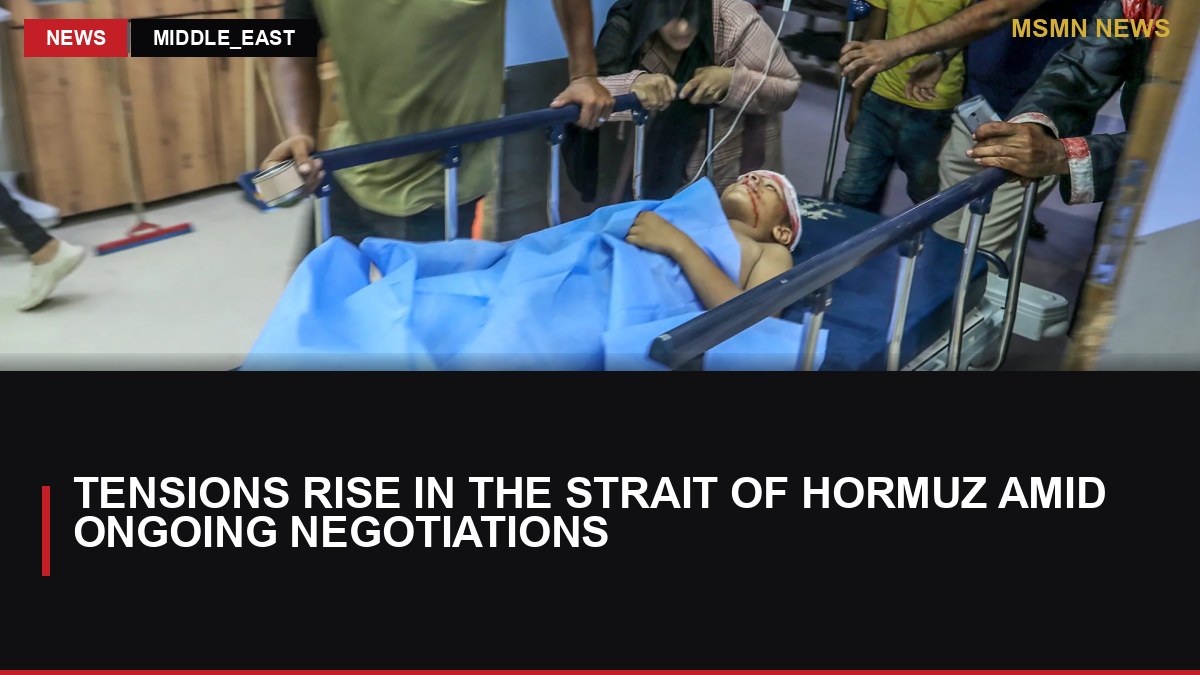
The United States asserts control over the Strait of Hormuz, while Oman mediates diplomatic talks with Iran aimed at stabilizing shipping routes amidst rising tensions.
- Proposed Compromises from Law Society Seek Resolution to Criminal Legal Aid Dispute: MSMN News
- Two Men Remanded in Custody Following Allegations of Rape at Galway Train Station: MSMN News
- Michael Alfonso Secures Victory in Wisconsin GOP House Primary: MSMN News
- Minnesota's Primary Elections Set to Showcase Party Divides: MSMN News
- Escalating Tensions in the West Bank: Israeli Raids and Demolitions Continue Amid UN Warnings: MSMN News
In a dramatic escalation of tensions in the Middle East, the United States has proclaimed its unwavering control over the Strait of Hormuz, a critical maritime passage that facilitates the transportation of a significant portion of the world’s oil supply. This assertion comes in the wake of intensified diplomatic negotiations between Oman and Iran, which aim to stabilize shipping routes and address ongoing threats to Maritime Security. The Strait of Hormuz, which connects the Persian Gulf to the Arabian Sea, is a pivotal chokepoint; any disruption here could have far-reaching implications for global energy markets and international relations.
The U.S. government's declaration of 'total control' over the strait has raised eyebrows among international observers and regional stakeholders, particularly given the historical context of U.S.-Iran relations. The U.S. has long maintained a military presence in the Gulf to ensure the free flow of commerce and to deter Iranian threats. Recently, tensions have flared as Iran has been accused of conducting aggressive maneuvers against commercial vessels, prompting the U.S. to bolster its naval forces in the region. The situation is further complicated by Iran's ongoing nuclear negotiations and its broader geopolitical ambitions, which have raised alarms in Washington and among its allies.
Amidst these rising tensions, Oman has stepped into the role of mediator, facilitating talks between Tehran and other regional players. Reports indicate that these negotiations are making significant progress, potentially paving the way for a more stable environment for shipping in the strait. Oman’s unique position—having maintained diplomatic relations with both the U.S. and Iran—makes it an ideal facilitator in these discussions. The Sultanate has historically played a crucial role in mediating conflicts in the region, and its involvement in this latest round of talks underscores its commitment to fostering peace and stability in the Gulf.
The backdrop to these negotiations is a series of incidents over the past few months that have heightened fears of a broader conflict. Iran's actions, including the seizure of foreign vessels and threats against shipping lanes, have prompted a strong response from the U.S. and its allies. The U.S. Navy has increased its patrols in the area, and military officials have publicly stated their readiness to protect commercial shipping from Iranian aggression. This military posturing, combined with diplomatic efforts, reflects a dual strategy aimed at deterring threats while seeking a peaceful resolution to the ongoing tensions.
The implications of these developments are significant not only for the countries directly involved but also for global markets. The Strait of Hormuz is a lifeline for oil transport, with approximately 20% of the world's oil passing through this narrow waterway. Any disruption, whether through military conflict or heightened tensions, could lead to spikes in oil prices, affecting economies worldwide. Analysts are closely monitoring the situation, recognizing that the interplay between military readiness and diplomatic engagement will shape the future of this crucial maritime corridor.
As the U.S. maintains its assertive stance in the region, the question of how far it will go to protect its interests remains at the forefront. The Biden administration has sought to balance military deterrence with diplomatic outreach, aiming to engage Iran while also reassuring allies in the region. This balancing act is fraught with challenges, particularly given the unpredictable nature of Iranian leadership and its strategic objectives. The U.S. military's commitment to safeguarding shipping routes is underscored by its recent actions, including increased naval deployments and heightened surveillance in the Gulf.
Public reaction to these developments has been mixed. Some analysts argue that the U.S. must take a hardline approach to deter Iranian aggression, while others caution that excessive military presence could provoke further hostilities. The international community is watching closely, as the potential for miscalculation in such a volatile environment is high. The stakes are particularly significant for Gulf states, which are heavily reliant on stable shipping routes for their economies. Countries like Saudi Arabia and the United Arab Emirates, major oil exporters, are acutely aware that any disruption in the Strait of Hormuz could have dire consequences for their national interests.
Looking ahead, the success of the Oman-mediated talks will be crucial in determining the trajectory of the situation in the Strait of Hormuz. If an agreement can be reached, it may lead to a de-escalation of tensions and a more secure maritime environment. However, should negotiations falter, the risk of renewed conflict looms large, with the U.S. and Iran both unwilling to back down in their respective positions. The coming weeks will be pivotal as stakeholders navigate this complex landscape, balancing military readiness with the hope for diplomatic breakthroughs.
The negotiations are not only significant for regional peace but also for the broader geopolitical landscape. The outcome could influence U.S. relations with other Middle Eastern countries, particularly those that have been wary of Iranian influence. A successful mediation could enhance Oman’s standing as a diplomatic player in the region, while a failure could exacerbate existing tensions and lead to a more militarized response from the U.S. and its allies.
In summary, as the U.S. asserts control over the Strait of Hormuz amid ongoing negotiations between Oman and Iran, the situation remains fluid and fraught with potential consequences. The international community is left to ponder the implications of these developments, with the specter of conflict ever-present. The outcome of the diplomatic talks will be closely watched, as they hold the key to either stabilizing a critical shipping route or plunging the region into further turmoil. The world waits with bated breath as this high-stakes drama unfolds in one of the globe's most vital maritime corridors. As the situation continues to evolve, observers will be keenly attuned to both the military maneuvers and diplomatic overtures that shape the future of the Strait of Hormuz, understanding that the stakes are high not just for the immediate region, but for global energy security and international stability.
The ongoing negotiations underscore the intricate web of relationships and rivalries that define the Middle East. Iran's strategic positioning in the region, coupled with its contentious history with the U.S., adds layers of complexity to these discussions. As Oman continues to mediate, its historical role as a neutral party may prove essential in fostering dialogue and reducing tensions. The broader implications of these talks extend beyond just maritime security; they touch upon issues of regional influence, economic stability, and the delicate balance of power in the Gulf. The world watches closely, understanding that the outcomes of these negotiations may very well dictate the future of not just the Strait of Hormuz, but the geopolitical landscape of the Middle East as a whole.
Source / Reference
Reporting by MSMN News, based on publicly available source material.
Source: Al Jazeera English
Reference link: https://www.aljazeera.com/news/liveblog/2026/8/12/iran-war-live-us-fires-missiles-at-cargo-ship-violating-iran-blockade?traffic_source=rss
Recommended products

Springer Nature Author
Monitoring with Lichens - Monitoring Lichens
Approx. JPY 28,599.00 Final price on merchant site
 Editor's choice

Affiliate disclosure: MSMN may earn from qualifying purchases. Prices and availability may change.
Quick answers
What is this story about?
Which MSMN desk covers this?
What are the key developments?
Related Stories

HISTORY-MAKING: Kerr’s mile world record: The sporting achievement of the year that went almost unnoticed: MSM: MSMN News

US renews strikes on Iran as Trump threatens to attack underground nuclear site: MSMN News

Iraqi Prime Minister Visits Turkey for Key Discussions on Energy, Water, and Security: MSMN News

Survivors Share Harrowing Experiences After Japan's 6.8-Magnitude Earthquake: MSMN News

Comments