
UNESCO Reports 2.4 Million Afghan Girls Denied Further Education: MSMN News
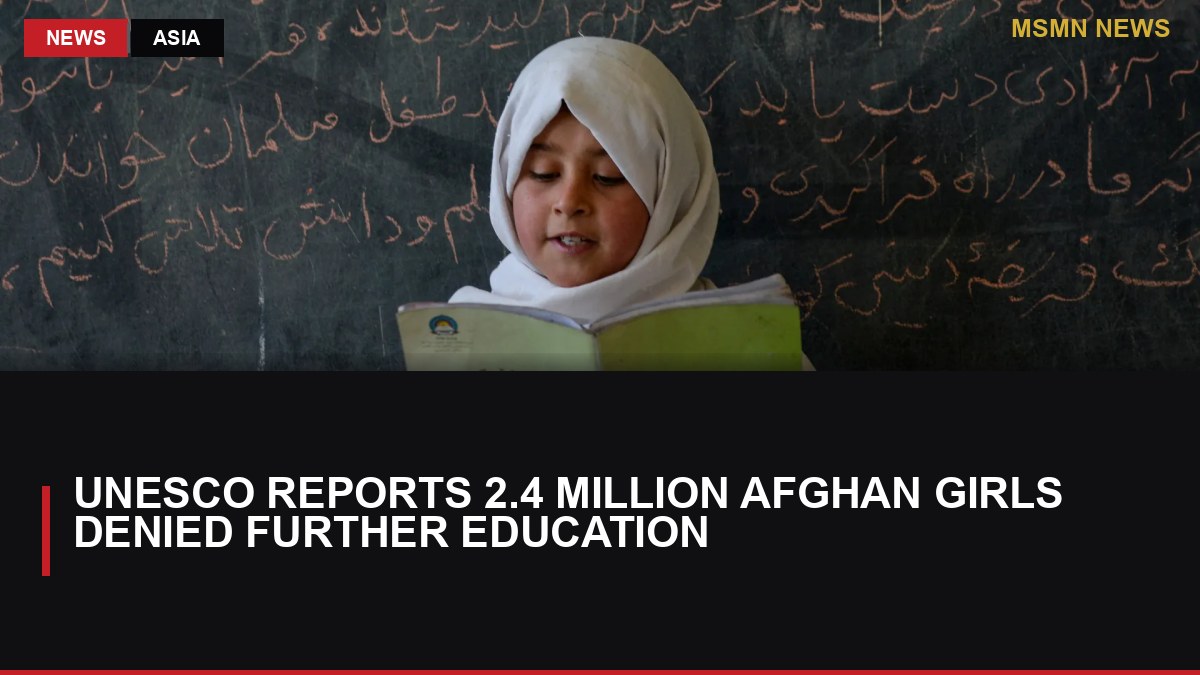
UNESCO's alarming report highlights the plight of Afghan girls denied education, warning that the number could reach four million by 2030 unless Taliban policies change.
In a stark revelation that underscores the ongoing educational crisis in Afghanistan, UNESCO has reported that approximately 2.4 million girls are currently denied access to further education. This alarming figure reflects the broader implications of the Taliban's policies following their return to power in August 2021. The international community is now faced with a pressing challenge: how to address the educational needs of Afghan girls and ensure that their rights to education are upheld.
The situation in Afghanistan has deteriorated significantly since the Taliban regained control. The group implemented strict educational policies that have effectively barred girls from attending secondary schools. According to the UNESCO report, if these policies continue unchecked, the number of girls deprived of Education could surge to four million by the year 2030. Such a drastic increase would not only represent a personal tragedy for countless young women but also a significant setback for the country’s development as a whole.
The implications of denying education to such a large portion of the population are profound. Education is a fundamental human right, and it serves as a critical factor in fostering economic growth, reducing poverty, and promoting social equality. By denying girls the opportunity to learn, the Taliban is not only stifling individual potential but also hindering Afghanistan's prospects for a more prosperous future. The repercussions of this educational deprivation extend beyond the classroom; they affect families, communities, and the nation as a whole.
The international community has responded with a mix of condemnation and calls for action. Various organizations, including Unesco, have urged the Taliban to reverse its policies and allow girls to return to school. The United Nations has also emphasized the importance of education for girls, highlighting it as a key factor in achieving gender equality and sustainable development. However, the Taliban's leadership remains steadfast in its approach, citing cultural and religious justifications for its restrictive policies.
As the situation continues to unfold, many are left wondering what the future holds for Afghan girls. The current educational landscape is bleak, with schools remaining closed to female students in many parts of the country. This has led to widespread frustration among families who see education as a pathway to a better life for their daughters. Reports from within Afghanistan indicate that many parents are willing to take significant risks to educate their girls, even in the face of potential reprisals from the authorities.
In addition to the immediate educational crisis, the long-term effects of such widespread denial of education could be catastrophic. The lack of education for girls not only limits their future employment opportunities but also perpetuates cycles of poverty and inequality. Women play a crucial role in the social and economic fabric of any society, and by denying them education, the Taliban is effectively undermining the potential for future generations to thrive.
Activists and advocates for Women's Rights have been vocal in their opposition to the Taliban's policies. Many have called for increased international pressure on the Taliban to comply with global standards for education and human rights. Some organizations are working to provide alternative educational opportunities for girls, including online learning programs and informal education settings. However, these efforts face significant challenges, including security concerns and limited resources.
As the international community grapples with the complexities of engaging with the Taliban, the plight of Afghan girls remains a critical issue that cannot be overlooked. The need for a coordinated response that prioritizes education for girls is more urgent than ever. Countries around the world are being urged to take a stand and advocate for the rights of Afghan girls, ensuring that their voices are heard and their futures are not forgotten.
The situation is dynamic, and developments are likely to continue as both national and international stakeholders navigate the complex landscape of Afghan politics. Observers are keenly watching how the Taliban will respond to mounting pressure and whether they will be willing to reconsider their stance on education for girls. The stakes are high, and the world is waiting to see if meaningful change will occur.
In the meantime, the stories of Afghan girls who wish to pursue their education continue to resonate. Each story represents a life filled with potential, aspirations for a brighter future, and dreams that remain unfulfilled in the face of adversity. The resilience of these young women is a testament to their strength and determination, and their struggle for education deserves global attention and support.
As the situation develops, it is imperative for the international community to remain engaged and advocate for the rights of Afghan girls. The future of a nation may well depend on the choices made today, and the commitment to ensuring that every girl has the opportunity to learn, grow, and contribute to society is a cause that transcends borders. The world is watching, and the hope for a brighter future for Afghan girls hangs in the balance.
In addition to the educational crisis, the broader socio-political context in Afghanistan complicates the situation further. The Taliban's governance has been marked by a series of controversial decisions that have drawn international scrutiny. Their restrictive policies on women’s rights, particularly in education, are seen as emblematic of a larger trend towards authoritarianism that has alarmed rights advocates globally. The United Nations and various non-governmental organizations have emphasized that education is not just a personal right, but a societal necessity that contributes to stability and peace.
The current educational policies in Afghanistan are not only a violation of human rights but also a significant impediment to the country’s recovery and development. Education is a key driver of economic growth; nations that invest in education tend to have higher GDP growth rates and improved social outcomes. Conversely, when a significant portion of the population is denied education, the country risks stagnation and regression. The Afghan economy, already fragile due to decades of conflict, could face even greater challenges if girls are not allowed to participate fully in society.
Moreover, the international community has a vested interest in the future of Afghanistan. A stable and educated population is crucial for regional security and the prevention of extremism. By investing in education, particularly for girls, the international community can help foster a generation that is less susceptible to radicalization and more likely to contribute positively to society. The current situation presents a unique opportunity for global leaders to push for educational reforms that could have lasting impacts beyond Afghanistan’s borders.
As discussions on education in Afghanistan continue, it is essential to recognize the voices of Afghan girls themselves. Many have expressed their desires to learn and to contribute to their communities, despite the challenges they face. Their determination serves as a powerful reminder of the potential that exists within the country, waiting to be unlocked through education. Supporting these girls is not merely an act of charity; it is an investment in the future of Afghanistan and, by extension, global peace and stability.
In conclusion, the plight of Afghan girls denied education is a pressing issue that demands immediate attention from the international community. The statistics provided by UNESCO are not just numbers; they represent real lives, dreams, and futures that are at stake. As the world watches, it is crucial for nations, organizations, and individuals to advocate for the rights of these girls, ensuring that they have the opportunity to pursue their education and contribute to a brighter future for Afghanistan. The call to action is clear: the time to act is now, and the world must stand in solidarity with Afghan girls in their quest for education and equality.
Source / Reference
Reporting by MSMN News, based on publicly available source material.
Source: Al Jazeera English
Reference link: https://www.aljazeera.com/news/2026/8/11/unesco-says-2-4-million-afghan-girls-denied-access-to-further-education?traffic_source=rss
Recommended products
 -42%
-42%
SHEIN
Nigeria T Shirt Nigeria Pride Tee Nigeria Supporter Shirt Nigerian Fan Apparel Nigeria Sports Shirt Nigeria Gift Country
Approx. USD 4.78
8.18
Final price on merchant site


Affiliate disclosure: MSMN may earn from qualifying purchases. Prices and availability may change.



Comments