
Unseasonable Snowfall Hits Southern Africa as Northern Hemisphere Faces Heat Waves: MSMN News
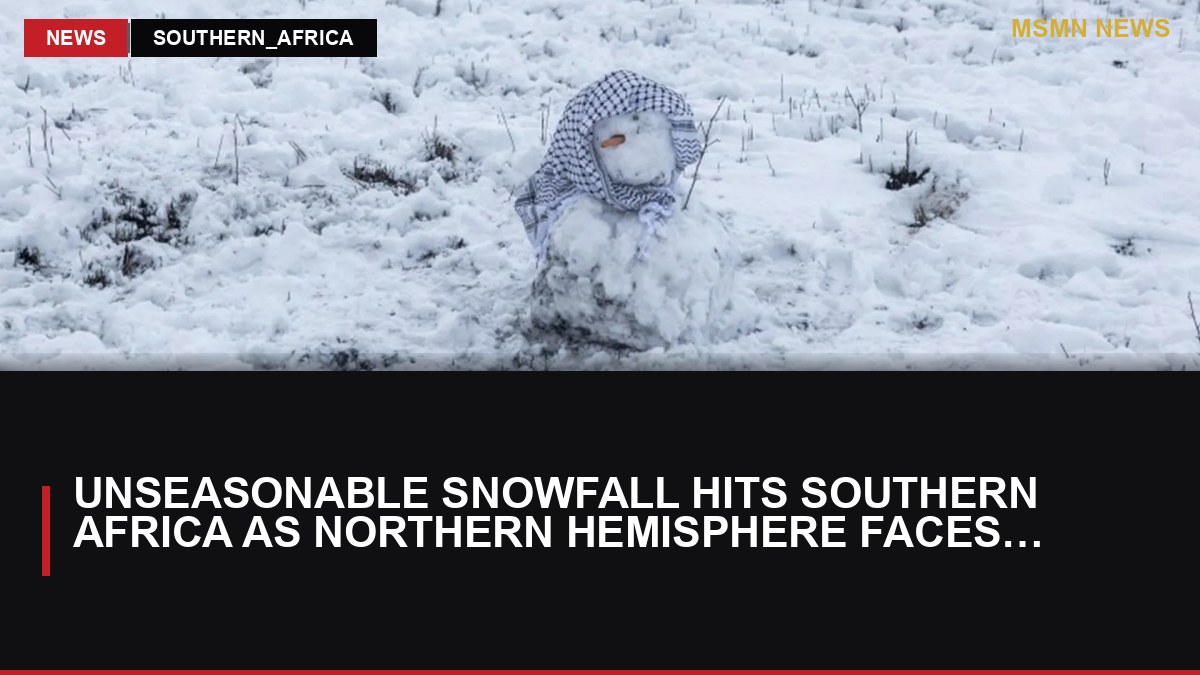
Parts of southern Africa, particularly South Africa and Lesotho, have experienced a late-season snowfall as winter approaches its end, contrasting sharply with extreme heat in the Northern Hemisphere.
In a remarkable turn of weather, parts of southern Africa have been enveloped in a blanket of snow as winter draws to a close. This unusual phenomenon has primarily impacted regions of South Africa and Lesotho, where residents have awakened to a landscape transformed by a late-season flurry. The Snowfall comes at a time when many areas around the globe, particularly in the Northern Hemisphere, are grappling with extreme heat and wildfires, highlighting the stark contrasts in global weather patterns.
The snow, which fell over the weekend, was unexpected for many in the region. Residents of towns nestled in the mountains of Lesotho and the higher altitudes of South Africa were particularly surprised as they experienced what feels like a winter wonderland in August. This late snowfall is not just a curious meteorological event; it has significant implications for the local climate and the communities that depend on predictable Weather patterns.
Meteorologists have attributed this unusual weather to a combination of factors, including changing atmospheric conditions and the lingering effects of a strong cold front that swept across the region. The snowfall has varied in intensity, with some areas receiving substantial accumulations, while others saw just a light dusting. This has led to a mix of joy and concern among residents, as the snow creates picturesque landscapes but also poses challenges for local Agriculture and transport.
For farmers in particular, this late snow could disrupt the planting and harvesting schedules. Many agricultural operations in southern Africa are timed with the seasons, and unexpected weather can lead to significant losses. While some crops may benefit from the moisture provided by the snow, others could be adversely affected, especially if temperatures rise sharply following the snowfall. This uncertainty can create a ripple effect throughout the local economy, as farmers adjust their strategies to cope with the unpredictable weather.
In Lesotho, where the snow has been most pronounced, the picturesque views have drawn both locals and tourists alike. The snow-capped mountains have become a magnet for photographers and adventurers seeking to capture the beauty of the landscape. However, the excitement of the snow has been tempered by the reality that such weather patterns are becoming increasingly unpredictable. Residents are left to wonder what this could mean for future winters and whether such late-season snowfalls could become more common.
The juxtaposition of this snowfall with the extreme heat experienced in the Northern Hemisphere serves as a stark reminder of the complexities of Climate Change. While southern Africa is experiencing winter weather, regions like Europe and North America are battling heatwaves that have led to wildfires and health advisories. This disparity in weather patterns raises questions about the interconnectedness of global climates and the potential impacts of climate change on local weather phenomena.
As summer rages in the Northern Hemisphere, with temperatures soaring and wildfires threatening communities from California to Greece, the late snow in southern Africa serves as a poignant contrast. This divergence in weather highlights the intricate balance of our planet's climate systems and the challenges posed by a rapidly changing environment. The impacts of climate change are being felt globally, manifesting in varied and often unpredictable ways, leading to discussions about adaptation and resilience in the face of such challenges.
Looking ahead, the immediate future for southern Africa is uncertain. While the snow may bring temporary beauty, the longer-term implications for agriculture, water resources, and local ecosystems remain to be seen. Authorities are monitoring conditions closely, as the potential for flooding or rapid melting could pose additional risks in the coming days. The region's infrastructure is not always equipped to handle such unexpected weather events, leading to concerns about road safety and access to essential services.
The snowfall has also raised questions about emergency preparedness and response strategies in southern Africa. Communities that are accustomed to predictable weather patterns may find themselves unprepared for the challenges posed by unusual weather events. Local governments and agricultural organizations may need to reassess their approaches to farming and disaster preparedness in light of these changing weather patterns. This snowfall could serve as a catalyst for broader discussions about climate resilience and sustainability in southern Africa, prompting stakeholders to engage in planning and investment in adaptive measures.
In summary, the late-season snowfall in southern Africa stands as both a beautiful spectacle and a stark reminder of the unpredictable nature of our climate. It emphasizes the need for communities to adapt to changing weather patterns while also highlighting the broader implications of climate change that are felt across the globe. As southern Africa enjoys its winter wonderland, the world watches closely, aware that such contrasts in weather could become the new normal in a rapidly warming world. The interplay of weather events serves as a crucial reminder of the interconnectedness of our global climate system, urging both local and international communities to engage in dialogue about sustainability and climate action.
As the snowfall melts and the seasons transition, southern Africa will have to navigate the challenges and opportunities that come with such unpredictable weather. The hope is that this experience can inform better practices and policies moving forward, ensuring that communities are better prepared for the unexpected as they face the realities of a changing climate. The effects of the snowfall will likely linger in the conversations among local farmers, government officials, and environmentalists as they strategize on how best to cope with the evolving climate.
In the coming weeks, observers will be watching closely for any signs of how this late snowfall may impact the agricultural sector, particularly as farmers assess any damage or benefits to their crops. Additionally, local governments may begin to implement new measures aimed at enhancing community resilience to weather extremes, which could include improved forecasting systems and infrastructure upgrades to manage unexpected snow or rain events. As global attention continues to focus on climate change, the experiences of communities in southern Africa may serve as an important case study in adaptation and resilience, offering lessons that could be applied in other regions facing similar challenges.
The late snow in southern Africa, while beautiful, underscores the need for urgent action in addressing climate change and its multifaceted impacts. As communities begin to recover and adapt, the hope is that they will emerge stronger and more prepared for the uncertainties that lie ahead, fostering a culture of resilience in the face of an ever-changing climate.
Source / Reference
Reporting by MSMN News, based on publicly available source material.
Source: Al Jazeera English
Reference link: https://www.aljazeera.com/video/newsfeed/2026/8/11/late-snow-blankets-parts-of-southern-africa-as-winter-nears-its-end?traffic_source=rss
Recommended products



Affiliate disclosure: MSMN may earn from qualifying purchases. Prices and availability may change.



Comments