
Voting Under Tension: Final Phase in Pakistan-administered Kashmir: MSMN News
Follow MSMN
Official channels from Martins Studio Media Network.
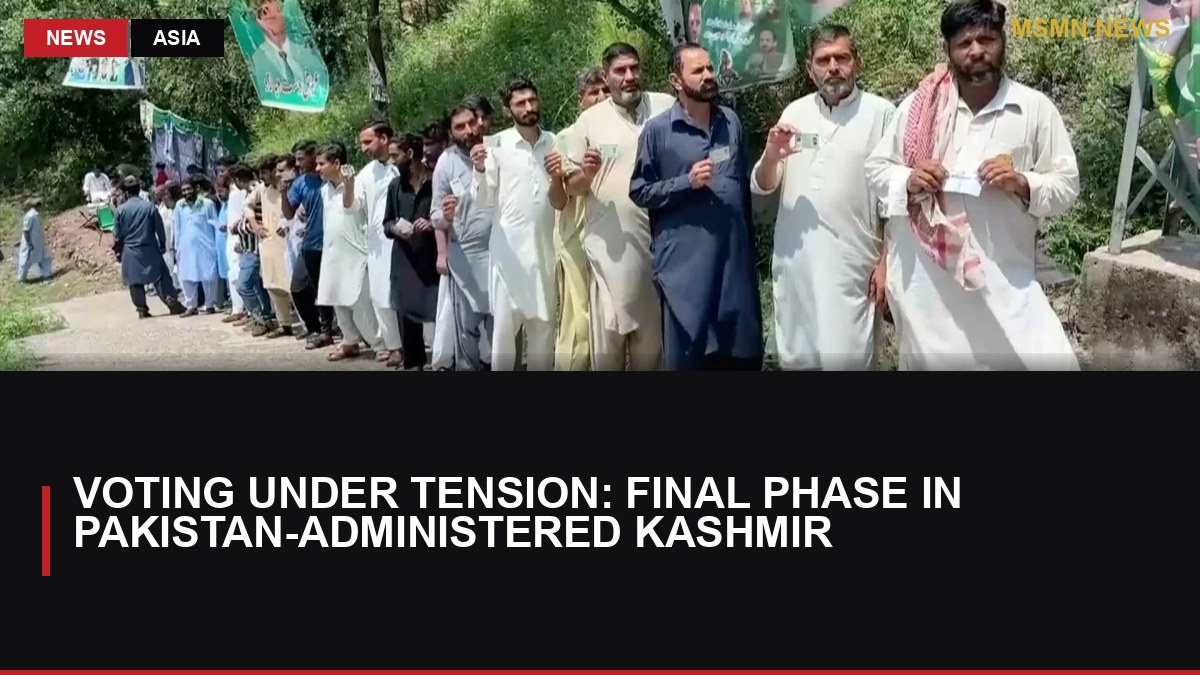
Residents of Pakistan-administered Kashmir are participating in the final phase of local elections amid rising security concerns, marking a significant moment in the region's political landscape.
- ZEROBASEONE Discusses Their KCON LA 2026 Performance and New Projects: MSMN News
- ILLIT Discusses Favorite Moments from 'I Got Your Back' Music Video at KCON LA 2026: MSMN News
- Five Culture Club Conversations Shaping the Sound of African Music: MSMN News
- Angélique Kidjo Honored with Star on Hollywood Walk of Fame: MSMN News
- US states accuse Meta of covering up research on teen social media addiction in pivotal trial: MSMN News
In a significant moment for the political landscape of Pakistan-administered Kashmir, residents are participating in the final phase of local elections, a process marked by rising security concerns. This pivotal voting period, which began earlier in the week, has drawn attention not only for its democratic importance but also for the underlying tensions that accompany it. Local officials and international observers are closely monitoring the situation, as the region has a complex history of political unrest and military presence, which has cast a shadow over the electoral process.
The elections, which are being held to select representatives for local councils, are seen as a crucial step toward enhancing democratic governance in the region. However, the atmosphere is fraught with anxiety as voters head to the polls amid warnings of potential violence. Authorities have implemented stringent Security measures, deploying police and military personnel to ensure the safety of both voters and polling stations. These precautions reflect the reality of a region that has been the center of conflict between India and Pakistan for decades, with both nations claiming sovereignty over the territory.
As voters queue outside polling stations, many express a mix of hope and apprehension. The desire for local representation is palpable, yet the fear of unrest looms large. In previous elections, violence has marred the voting experience, leading to casualties and widespread disruptions. This year, officials are keen to avoid a repeat of such incidents, emphasizing the importance of a peaceful electoral process.
The timing of these elections is particularly significant. Coming after a series of political shifts and heightened tensions in the region, many see this as an opportunity for the local populace to assert their voice in governance. The elections are expected to bring a new wave of leadership that could influence local policies and development initiatives, especially in areas such as education and infrastructure.
However, the backdrop of military presence and ongoing conflicts raises questions about the legitimacy of the electoral process. Political analysts have pointed out that while local elections are a step towards democratization, the overarching control of the military and the influence of national politics cannot be ignored. Many voters are acutely aware of the limitations placed on their political choices, feeling that their options may be constrained by external pressures.
In the lead-up to the elections, various political parties have ramped up their campaigns, each vying for the support of a populace eager for change. The competition has been fierce, with parties promising reforms and improvements to the living conditions of residents. Yet, the shadow of security fears has overshadowed these promises, with many citizens questioning the feasibility of these pledges in a climate of instability.
As residents cast their votes, the international community watches closely. Observers from various organizations have been deployed to monitor the electoral process, ensuring that it is conducted fairly and transparently. Their presence is intended to bolster the credibility of the elections, providing a layer of assurance to voters that their voices will be heard.
While the final phase of voting is underway, the outcome remains uncertain. Analysts suggest that the results could have far-reaching implications, not just for local governance but also for the broader political dynamics between Pakistan and India. The elections in Pakistan-administered Kashmir could serve as a bellwether for future relations, potentially impacting negotiations and dialogue between the two nations.
Public sentiment is a critical factor in this electoral process. Many residents express a desire for peace and stability, hoping that the elections will pave the way for a more secure and prosperous future. Yet, the reality of living in a region marked by conflict complicates these aspirations. As voters leave polling stations, their expressions reflect a complex tapestry of hope, fear, and determination.
The next few days will be crucial as the votes are counted and results are announced. Political analysts are keenly observing the unfolding events, understanding that the implications of these elections extend beyond the immediate local context. The results could influence both domestic policy and international relations, making this a moment of significant importance in the region's ongoing narrative.
As the world watches, the people of Pakistan-administered Kashmir stand at a crossroads, navigating the delicate balance between their aspirations for Democracy and the realities of their geopolitical situation. The final phase of voting may not just determine their local representatives but also signal a turning point in their ongoing struggle for autonomy and recognition in a region fraught with historical grievances.
The unfolding electoral process in Pakistan-administered Kashmir is emblematic of the broader challenges faced by many regions grappling with the legacies of conflict. As the votes are tallied and the new leaders are announced, the hope for a brighter future remains, tempered by the understanding that the path ahead is fraught with complexities that extend far beyond the ballot box. The eyes of the world are on this pivotal moment, waiting to see how the residents of this contested region will shape their own destiny amid the shadows of history and the promise of change.
The electoral process in Pakistan-administered Kashmir is not just a local affair; it has significant implications for regional stability and international relations. The outcome of these elections could influence the ongoing dialogue between India and Pakistan, as both nations continue to navigate their fraught relationship over territorial disputes. Observers are particularly interested in how the newly elected representatives will approach issues of governance, security, and development in a region that has long been marred by conflict and instability.
Moreover, the presence of international observers underscores the importance of transparency and accountability in this electoral process. Their role is crucial in ensuring that the elections are conducted fairly and that the voices of the people are genuinely represented. The international community is keenly aware that the legitimacy of these elections could impact not only local governance but also the broader geopolitical landscape of South Asia.
As the votes are counted and the results are awaited, the people of Pakistan-administered Kashmir are left to grapple with their hopes and fears. Many are eager for change, believing that new leadership could bring about much-needed reforms and improvements in their daily lives. However, the specter of violence and unrest looms large, reminding voters that the path to democracy is often fraught with challenges.
In conclusion, the final phase of voting in Pakistan-administered Kashmir represents a critical juncture for the region. It is a moment filled with both promise and uncertainty, as residents seek to assert their rights and influence the future of their governance. The coming days will reveal not just the outcomes of the elections, but also the resilience of the people in their quest for peace and stability in a region that has long been defined by conflict. As the world watches, the residents of this contested territory hope that their voices will be heard and that the elections will pave the way for a brighter future, one that honors their aspirations for democracy and self-determination.
Source / Reference
Reporting by MSMN News, based on publicly available source material.
Source: Al Jazeera English
Reference link: https://www.aljazeera.com/video/newsfeed/2026/8/11/final-phase-of-voting-in-pakistan-administered-kashmir-despite-security-fe?traffic_source=rss
Recommended products

OnBuy EU
Architektoniczny ROUTER ROUTER ZESTAW ROUTER ROUTER NEWDELI 1/2 RAITER RAITER KNOKTURACJA ROOTER ROUTER ROUTER ROUTER ROUTER BIT DO ZAWRUT
Approx. PLN 255.77 Final price on merchant site

OnBuy EU
Wolfride 5pcs 1/2 -calowy zestaw routerem Shank Cank Router Cover ROUTER ROUTER ROUTER ROUTER ROUTER ROUTER ROUTER ROUTER ZESTAW DREWNIKA | 1/8
Approx. PLN 369.80 Final price on merchant site
 -24%
-24%
OnBuy EU
Wifi6 Router Ai Router WiFi Router SIM Router LTE Cat7 Ασύρματος WiFi Router
Approx. EUR 79.25
104.78
Final price on merchant site
Affiliate disclosure: MSMN may earn from qualifying purchases. Prices and availability may change.



Comments