
WestJet Cancels Flights as Flight Attendants Strike: MSMN News
Follow MSMN
Official channels from Martins Studio Media Network.
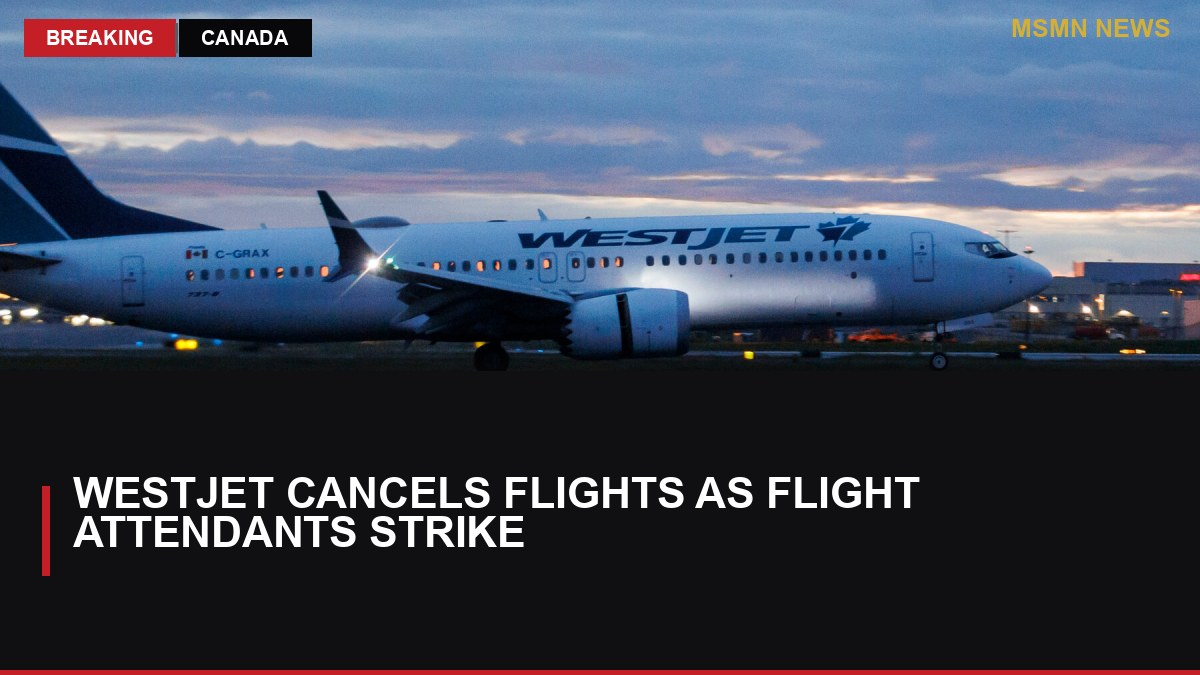
WestJet Airlines faces significant operational challenges as a strike by flight attendants leads to widespread flight cancellations, impacting travelers across Canada amid ongoing labor negotiations.
WestJet Airlines Faces Major Disruption
WestJet Airlines has encountered significant operational challenges as a Strike by its flight attendants has led to the cancellation of numerous flights. The union representing approximately 4,400 flight attendants has taken this drastic step after labor negotiations with the airline reached an impasse. The flight attendants are advocating for improved wages and enhanced compensation for work that they claim is currently unpaid.
The strike, which began recently, has affected travelers across Canada and has raised concerns about the impact on summer Travel plans. Many passengers have found themselves stranded or forced to alter their itineraries due to the abrupt cancellations. WestJet, which is one of Canada’s largest airlines, has stated that it is working to minimize disruptions, but the scale of the strike has made this a challenging task.
Background of the Labor Dispute
The conflict between WestJet and its flight attendants is rooted in broader issues within the Airline Industry. Over the past few years, airlines have faced mounting pressure to improve working conditions and compensation for their employees, particularly as travel demand has surged post-pandemic. The flight attendants’ union has been vocal about the need for better wages, especially as inflation has impacted the cost of living for many workers.
Union leaders have pointed out that flight attendants often work long hours without adequate compensation for all aspects of their duties. They argue that many of the tasks performed before and after flights, including preparing the cabin and assisting passengers, are not factored into their paid hours. This has led to calls for a reevaluation of how flight attendants are compensated for their labor.
The breakdown of negotiations came after several months of discussions between the union and WestJet management. Both sides had exchanged proposals, but significant differences remained regarding wage increases and other benefits. The union was reportedly seeking a substantial raise to address the rising costs faced by its members, while WestJet's management has expressed concerns about the financial implications of such demands, especially in a competitive market.
Impact on Travelers
As the strike continues, travelers are bearing the brunt of the situation. Many families have planned vacations that now hang in the balance, with some passengers reporting last-minute cancellations and limited options for rebooking flights. The chaos at airports has led to longer lines and increased frustration among travelers who are trying to navigate the disruptions.
WestJet has advised passengers to check their flight status online and has implemented a flexible rebooking policy to accommodate those affected by the strike. However, the sheer volume of cancellations has strained customer service resources, leading to longer wait times for assistance.
Travel experts have warned that the strike could have a ripple effect beyond WestJet, potentially impacting other airlines as travelers seek alternative options. With the summer travel season in full swing, many airlines are already operating at capacity, making it difficult for passengers to find available seats on competing flights. This situation has left many travelers scrambling for solutions, and some have turned to alternative modes of transportation, such as trains or buses, to reach their destinations.
Public and Industry Reaction
Public reaction to the strike has been mixed. Some travelers express understanding of the flight attendants’ plight, recognizing the need for fair compensation and better working conditions in the airline industry. Others, however, are frustrated by the timing of the strike, which coincides with peak travel season, and the inconvenience it has caused.
Industry analysts have noted that labor disputes like this one highlight the ongoing challenges faced by airlines in balancing operational costs with employee satisfaction. The airline sector has been recovering from the pandemic, and many companies are still navigating the complexities of workforce management as they attempt to ramp up services to meet demand.
Several labor experts suggest that this strike may set a precedent for future negotiations in the airline industry. As more workers advocate for their rights and push for better pay, airlines may find themselves facing similar challenges with other employee groups. This could lead to a shift in how the industry approaches labor relations moving forward.
Future Negotiations and Next Steps
As the strike continues, both WestJet and the flight attendants' union are expected to return to the bargaining table in hopes of reaching a resolution. The union has indicated that it is willing to negotiate further, but it remains firm in its demands for improved wages and compensation for unpaid work.
WestJet has not disclosed specific plans for future negotiations, but the airline is likely under pressure to resolve the situation quickly to restore normal operations and regain the trust of its customers. The outcome of these negotiations will be closely watched by other airlines and labor groups within the industry, as it could influence future labor relations and negotiations across the sector.
In the meantime, travelers are advised to stay informed about their flight status and to remain flexible with their travel plans. The situation remains fluid, and the potential for further cancellations or delays exists as the strike continues.
As the labor dispute unfolds, it serves as a reminder of the ongoing challenges faced by workers in the airline industry and the importance of addressing their concerns in a timely manner. The outcome of this strike could have lasting implications for both WestJet and the broader airline industry, shaping the future of labor relations in air travel for years to come.
Broader Context of Airline Labor Relations
This labor dispute at WestJet is not an isolated incident but rather part of a larger trend affecting the airline industry. In recent years, numerous airlines have faced strikes and labor actions as employees demand better pay and working conditions. The COVID-19 pandemic exacerbated existing issues, leading to a significant reevaluation of labor practices within the sector.
In the wake of the pandemic, many airlines were forced to downsize their workforce, leading to increased workloads for remaining employees. As travel demand rebounded, workers found themselves under pressure to perform at higher levels without corresponding increases in compensation. This dynamic has fueled discontent among airline staff, leading to strikes and labor actions across multiple carriers.
For instance, last year, flight attendants at a major U.S. airline engaged in a similar strike over pay and working conditions, drawing attention to the challenges faced by airline employees nationwide. The ripple effects of such actions have prompted discussions about labor rights and fair compensation within the industry, raising awareness among travelers and the public alike.
As the WestJet strike continues, it will be essential to monitor how the airline responds to the demands of its flight attendants. The resolution of this dispute could serve as a bellwether for other airlines facing similar pressures. If WestJet's flight attendants succeed in securing better wages and working conditions, it may embolden workers at other airlines to take similar actions, potentially leading to a wave of labor activity across the industry.
Conclusion
The ongoing strike by WestJet flight attendants is a critical moment not only for the airline and its employees but also for the entire airline industry. As travelers navigate the complications arising from flight cancellations and delays, the broader implications of this labor dispute are becoming increasingly apparent. The outcome will likely influence how airlines approach labor relations moving forward, as well as how employees advocate for their rights in a rapidly changing industry.
Travelers, industry analysts, and labor advocates will be watching closely as negotiations resume. The stakes are high, and the resolution of this strike could very well shape the future of labor relations in the airline sector for years to come. In the meantime, passengers are encouraged to stay informed, remain flexible, and consider alternative travel arrangements as the situation develops.
Source / Reference
Recommended products


 -33%
-33%
OnBuy EU
Travel Blender, Portable Blender, , Blender, Beverage Blender, Electric , Small Blender
Approx. DKK 412.63
618.95
Final price on merchant site
4 merchants
Affiliate disclosure: MSMN may earn from qualifying purchases. Prices and availability may change.


Comments