
Zambia Faces Critical Elections Amid Economic Struggles: MSMN News
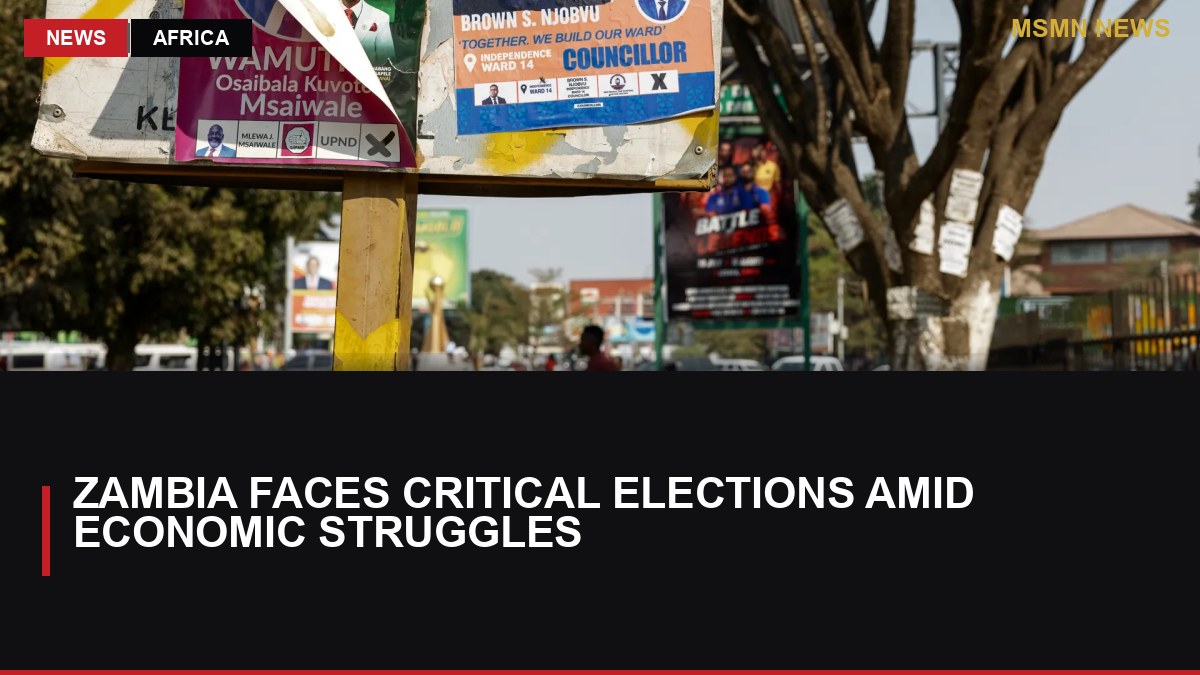
As Zambia prepares for its upcoming elections, economic challenges such as inflation, debt restructuring, and fluctuating copper revenues take center stage, shaping the political landscape and voter sentiment.
Zambia is on the brink of an important electoral moment, with citizens set to cast their votes in a climate fraught with economic tension and uncertainty. The upcoming elections are not just a routine democratic exercise; they represent a critical juncture for a nation grappling with significant financial pressures. As Zambians head to the polls, the stakes have never been higher, with issues like Inflation, debt restructuring, and the fluctuating copper market dominating the political landscape.
The Elections, scheduled for next week, come at a time when the Zambian economy is feeling the strain of rising inflation, which has been a persistent issue over the past several years. Inflation rates have soared, affecting the cost of living for ordinary citizens, many of whom are struggling to make ends meet. The soaring prices of basic necessities such as food and fuel have sparked widespread discontent among the populace. This economic hardship has led to growing calls for change, with voters eager to see tangible reforms from their leaders.
Central to this electoral cycle is the government's handling of its debt situation. Zambia made headlines in 2020 when it became the first African country to default on its sovereign debt during the COVID-19 pandemic. Since then, the government has been engaged in a complex and ongoing process of debt restructuring, seeking to negotiate terms with international creditors. The outcome of these negotiations will be pivotal not only for the country's fiscal health but also for the political fortunes of those in power.
The ruling party, which came to power promising economic revival and stability, now finds itself under intense scrutiny. Critics argue that the government has not done enough to alleviate the financial burden on citizens, and they are demanding accountability. The opposition parties are capitalizing on this discontent, presenting themselves as viable alternatives that can steer the country toward a brighter economic future. Their campaigns are heavily focused on promises of economic reform, job creation, and improved living conditions for all Zambians.
Copper, a critical export for Zambia and a key driver of its Economy, has also emerged as a focal point in the electoral debate. The fluctuations in copper prices on the global market have a direct impact on the Zambian economy, affecting government revenues and, by extension, public services. As the nation holds its breath over the elections, the fate of the copper industry looms large over the political discourse. Candidates are keenly aware that their stance on mining policies and resource management could sway voters who rely on this sector for their livelihoods.
Public sentiment is palpable as the election date approaches. Many citizens are expressing their frustrations and hopes on social media platforms, where discussions about the economy and governance are rampant. There is a palpable desire for change among the electorate, with many voicing their concerns about the current administration's effectiveness in handling the economic crisis. This widespread dissatisfaction has led to an atmosphere of urgency and anticipation, with voters eager to see if their choices at the ballot box will lead to meaningful change.
As election day nears, the atmosphere in the country is charged. Campaign rallies are taking place across urban and rural areas, with candidates trying to connect with voters and communicate their visions for the future. However, the challenges posed by economic hardship have made it difficult for some candidates to gain traction. The electorate is acutely aware of the stakes involved, and many are approaching the polls with a critical eye, determined to hold their leaders accountable.
The international community is also watching closely as Zambia heads into these elections. The outcome could have far-reaching implications, not only for the country but for the region as a whole. Observers are concerned about the potential for unrest should the elections be marred by allegations of fraud or mismanagement. The Zambian government has assured the public that measures are in place to ensure a fair and transparent electoral process, but skepticism remains among various sectors of society.
In the days leading up to the elections, the government has ramped up efforts to stabilize the economy in a bid to regain public confidence. Initiatives aimed at curbing inflation and improving access to essential goods have been launched, but many citizens remain unconvinced. The effectiveness of these measures will likely be tested at the polls, where voters will have the opportunity to express their dissatisfaction or support for the current administration.
As the countdown to election day continues, the mood across Zambia is one of cautious hope mixed with anxiety. Citizens are keenly aware that their votes will determine not only the future of their government but also the trajectory of their economy. The elections are expected to be a litmus test of the ruling party's ability to navigate the economic challenges that have plagued the nation for years.
The backdrop of Zambia's economic struggles is compounded by the global economic environment, which has seen fluctuations in commodity prices, including Copper, impacting the country's revenue streams. As a landlocked nation, Zambia relies heavily on its mining sector, particularly copper, which constitutes a significant portion of its export earnings. The global demand for copper, driven by industries such as construction and technology, plays a crucial role in shaping Zambia's economic landscape. Therefore, candidates' policies regarding mining and resource management are of utmost importance to voters who depend on these industries for their livelihoods.
In addition to economic issues, social concerns such as healthcare, education, and infrastructure development are also at the forefront of the electoral discourse. Many citizens are advocating for improvements in these areas, which have seen neglect amid the economic turmoil. The government’s ability to address these pressing issues will be scrutinized, as voters seek assurance that their needs will be prioritized in the next administration.
Furthermore, the role of civil society organizations and grassroots movements cannot be overlooked. These groups have been instrumental in mobilizing voters and raising awareness about the importance of civic engagement. They are encouraging citizens to participate actively in the electoral process, emphasizing that every vote counts in shaping the direction of the country. This grassroots activism reflects a growing political consciousness among Zambians, who are increasingly demanding transparency and accountability from their leaders.
As the election date approaches, the Zambian Electoral Commission is tasked with ensuring a smooth and fair voting process. Preparations are underway to facilitate the logistics of the elections, including the distribution of voting materials and the training of electoral staff. However, the commission faces challenges, including ensuring security at polling stations and addressing concerns about voter intimidation. The credibility of the electoral process will be crucial in maintaining public trust, particularly in a climate where allegations of electoral malpractice have marred previous elections in the region.
In the aftermath of the elections, whatever the outcome, the government will face the daunting task of addressing the economic hardships that have shaped the electoral campaign. The incoming administration, whether it remains in power or is replaced, will have to tackle the pressing issues of inflation, debt, and the vital copper industry with urgency and effectiveness. The future of Zambia hangs in the balance, and as voters prepare to make their voices heard, the world watches closely, waiting to see how this pivotal moment will unfold. The decisions made in the coming days will not only influence Zambia's immediate economic recovery but will also set the tone for its long-term development trajectory, making these elections a significant milestone in the nation's history.
Source / Reference
Reporting by MSMN News, based on publicly available source material.
Source: Al Jazeera English
Reference link: https://www.aljazeera.com/news/2026/8/12/zambia-to-vote-as-economic-hardship-tests-government-reforms?traffic_source=rss
Recommended products
 Best seller

Poshmark
J.Crew Ivory Irish Linen Coastal Sports Coat
Approx. USD 60.00 Final price on merchant site
Affiliate disclosure: MSMN may earn from qualifying purchases. Prices and availability may change.
Quick answers
What is this story about?
Which MSMN desk covers this?
What are the key developments?
Related Stories

HISTORY-MAKING: Kerr’s mile world record: The sporting achievement of the year that went almost unnoticed: MSM: MSMN News

US renews strikes on Iran as Trump threatens to attack underground nuclear site: MSMN News

Iraqi Prime Minister Visits Turkey for Key Discussions on Energy, Water, and Security: MSMN News

Survivors Share Harrowing Experiences After Japan's 6.8-Magnitude Earthquake: MSMN News

Comments