
Nepal's Political Landscape Tested by Recent Floods: MSMN News
Follow MSMN
Official channels from Martins Studio Media Network.
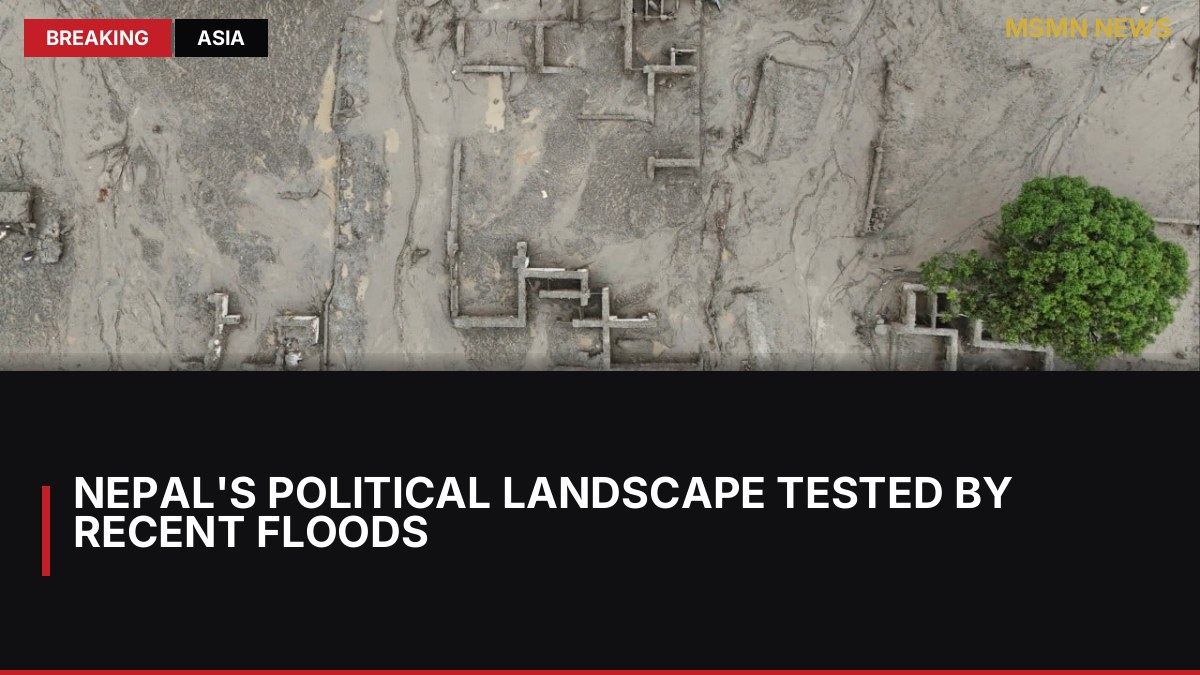
Recent floods in Nepal, caused by the Bhotekoshi and Trishuli rivers, have exposed the country's political vulnerabilities and prompted a temporary unity among leaders amid the chaos.
- Iceland Poised to Dismiss EU Accession Talks: MSMN News
- Manhunt Underway Following Fatal Shooting at Swiss Rave: MSMN News
- Netflix’s New Sci-Fi Horror Film Explores Nightmarish Time Travel: MSMN News
- Severe Weather Forecast: Strong Winds and Thunderstorms Mark Bank Holiday Weekend in the UK: MSMN News
- Khamenei Calls for Unity Among Gulf States Against Common Threat: MSMN News
In the aftermath of devastating floods that swept through Nepal, particularly affecting the regions surrounding the Bhotekoshi and Trishuli rivers, the nation is grappling with the dual challenges of Disaster Recovery and political cohesion. The floods, which have left a trail of destruction, have also sparked a momentary alliance among political factions, as leaders from various parties rally together to address the immediate needs of their constituents.
As the waters recede, the extent of the damage becomes increasingly evident. Infrastructure has been severely compromised, with roads and bridges washed away, leaving many communities isolated and in urgent need of support. In this time of crisis, political leaders have put aside their usual partisan differences, working alongside security forces and local volunteers to coordinate relief efforts. This cooperation is notable, given Nepal's historically fragmented political landscape, characterized by deep-seated divisions and widespread distrust in governmental institutions.
The significance of this temporary unity cannot be overstated. It highlights the potential for collaboration in times of crisis, yet it also raises questions about the sustainability of such alliances once the immediate threat has passed. The Floods serve as a stark reminder of the challenges Nepal faces, not just in terms of natural disasters but also in overcoming the political inertia that often hampers effective governance. The need for robust disaster management strategies and transparent political practices has never been more pressing.
As Nepal begins the arduous process of recovery, eyes will be on the government’s response. Will the current spirit of cooperation extend beyond this disaster? Or will political rivalries resurface, undermining the efforts to rebuild? The coming weeks will be critical in determining the long-term implications of this crisis on Nepal’s political stability and disaster preparedness.
With the Prime Minister’s Disaster Relief Fund now active and a “one-door policy” implemented to streamline aid, the government is under scrutiny to ensure that resources are allocated efficiently and transparently. Observers will be watching closely to see how these initiatives unfold and whether they can lead to meaningful reforms in Nepal’s political and disaster management systems.
Source / Reference
This MSMN News article is an original rewrite for our readers — not a copy of another publisher's story.
Source: SCMP China
Reference link: https://www.scmp.com/opinion/asia-opinion/article/3365734/behind-nepal-china-border-floods-lie-bad-%%LINK0%%?utm_source=rss_feed
Recommended products
 -40%
-40%


Affiliate disclosure: MSMN may earn from qualifying purchases. Prices and availability may change.




Comments