
Evyatar David Reflects on Trauma Following Release from Gaza: MSMN News
Follow MSMN
Official channels from Martins Studio Media Network.
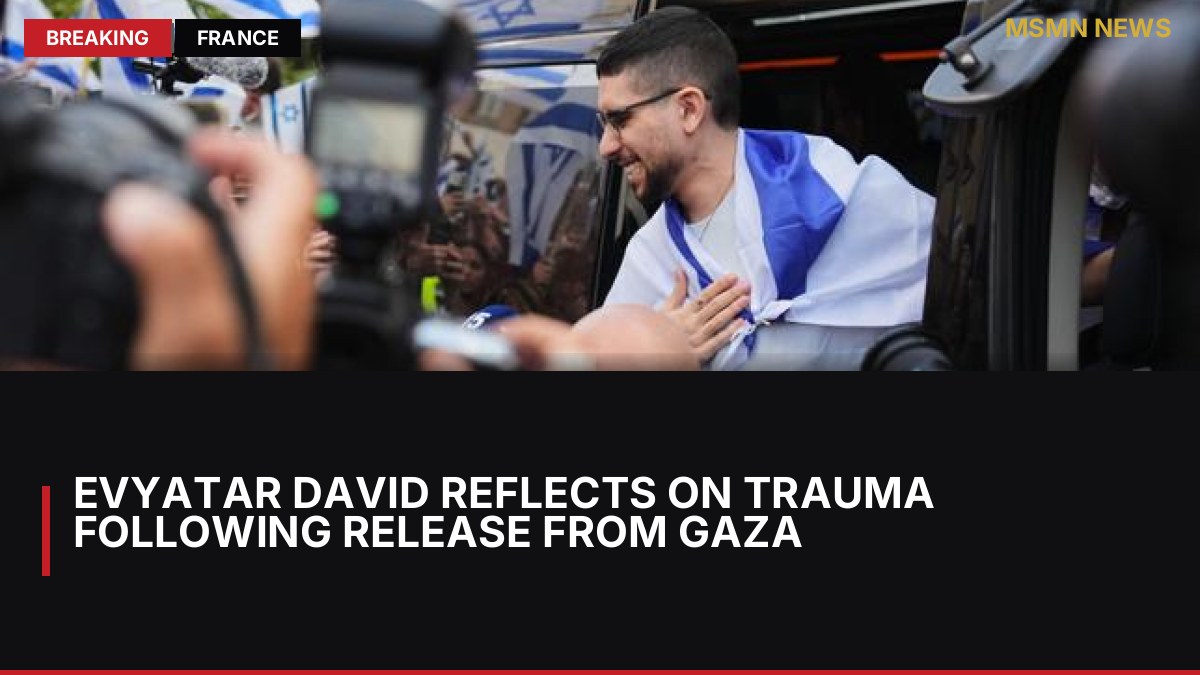
Evyatar David, who spent 738 days as a hostage in Gaza, shared the enduring psychological impact of his captivity in a recent interview. His harrowing experience, including being forced to dig his own grave, continues to haunt him.
- Fired Journalists from Stars and Stripes Sue Trump Administration for Censorship: MSMN News
- US Moves Closer to Securing Stake in Venezuelan Oil Fields: MSMN News
- Ebola Vaccination Campaign Launched in Democratic Republic of Congo: MSMN News
- Tornado wreaks havoc in village in southwestern France: MSMN News
- John Cena's Villainous Role in 'Coyote vs. Acme' Receives Positive Reception: MSMN News
In a poignant interview aired on August 26, 2026, former hostage Evyatar David opened up about the psychological toll of his 738 days in captivity under Hamas in Gaza. Freed in October 2025, David's experience has left him grappling with severe emotional distress, a reality he candidly described during his conversation with CNN.
David's ordeal began when he was taken Hostage by Hamas, a militant group that has been at the center of the Israeli-Palestinian conflict. His captivity included a particularly traumatic moment when he was filmed digging his own grave, a harrowing experience that has contributed to his ongoing nightmares. In the interview, he revealed that he often wakes up in the middle of the night, haunted by memories of his time in captivity. "It haunts me all day long," he shared, highlighting the deep psychological scars left by his experience.
The implications of David's story extend beyond his personal trauma; they reflect the broader human toll of the ongoing conflict in Gaza. Hostage situations have become a grim reality in the region, affecting not only the individuals directly involved but also their families and communities. David's case underscores the urgent need for dialogue and resolution in a conflict that has persisted for decades, creating cycles of violence and psychological trauma.
As David continues to navigate his recovery, the public will be watching closely to see how his story unfolds. His experience sheds light on the need for increased mental health support for former hostages and victims of conflict. The international community is urged to consider the psychological ramifications of such traumatic experiences, emphasizing the importance of healing and reconciliation.
Going forward, discussions about the plight of hostages in conflict zones are likely to gain more attention, especially as more survivors, like David, share their stories. Their voices are crucial in advocating for change and fostering a deeper understanding of the human cost of violence in regions like Gaza.
Source / Reference
This MSMN News article is an original rewrite for our readers — not a copy of another publisher's story.
Source: Le Monde English
Recommended products

SpringerNatureLink Shop INT
The Israeli-Palestinian Conflict
Approx. USD 39.99 Final price on merchant site

 Best seller
Affiliate disclosure: MSMN may earn from qualifying purchases. Prices and availability may change.




Comments