
US Air Strikes Bolster Iran's Position: Insights from Trita Parsi: MSMN News
Follow MSMN
Official channels from Martins Studio Media Network.
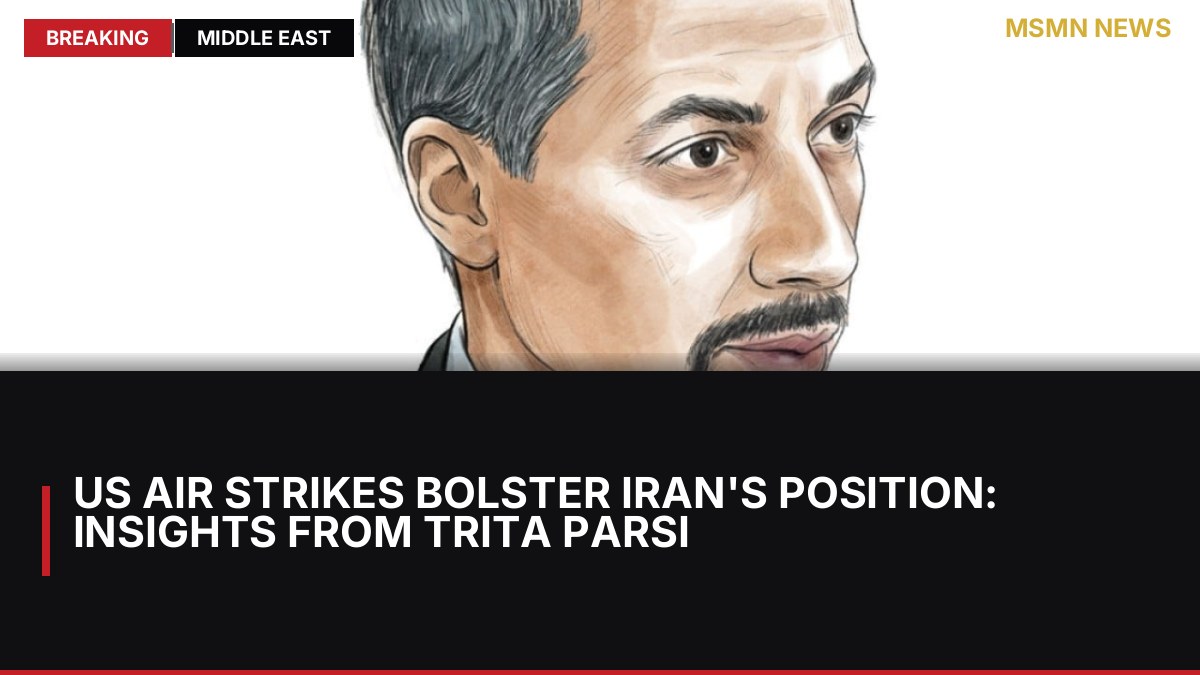
Trita Parsi, a notable expert on US-Iran relations, discusses how recent US military actions have inadvertently strengthened Iran's geopolitical stance instead of inciting dissent within the country.
- Randy Quaid Critiques Anne Hathaway's Casting in Days of Thunder 2: MSMN News
- James Gunn Teases Peacemaker Season 3 with a Mysterious Emoji: MSMN News
- GTA 6 Takes Streaming by Storm on Netflix: MSMN News
- Butcher of Bosnia Ratko Mladic still hailed as a hero by some Serbs: MSMN News
- Hull clinch late victory over Coventry to continue winning start to PL return: MSMN News
In a recent analysis, Trita Parsi, co-founder and executive vice-president of the Quincy Institute, examined the implications of recent US air strikes on Iran's political landscape. Parsi, a recognized authority on US-Iranian relations and Iranian foreign policy, argues that these military actions, rather than destabilizing the Iranian regime, have paradoxically reinforced its position.
According to Parsi, the air strikes, which aimed to deter Iranian influence in the region, have instead united the Iranian populace around their government. He explains that such military interventions often rally citizens in support of their leaders, especially in a nation where anti-American sentiment is prevalent. This phenomenon is not new; historical context shows that external military actions against Iran tend to bolster nationalistic feelings rather than incite rebellion.
Parsi’s insights are crucial as they highlight a recurring theme in Middle Eastern geopolitics: foreign military interventions can lead to unintended consequences. The dynamics of US-Iran relations are complex, shaped by decades of conflict, sanctions, and diplomatic efforts. Understanding how these air strikes influence Iran’s internal politics is essential for policymakers seeking to navigate this fraught relationship.
In his extensive career, Parsi has authored four books focusing on Us Foreign Policy in the Middle East, particularly regarding Iran and Israel. His unique perspective—having been born in Iran and later relocating to Sweden and then the US—provides him with a nuanced understanding of the region's complexities.
Looking forward, observers are encouraged to monitor how these developments might affect US diplomatic strategies in the Middle East. The ongoing tensions and the Iranian government's response to external pressures will be pivotal in shaping future relations between the two nations, as well as the broader geopolitical landscape in the region.
Source / Reference
This MSMN News article is an original rewrite for our readers.
Source: SCMP China
Recommended products
Knetbooks.com
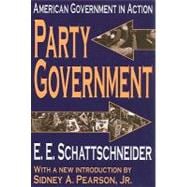
Party Government: American Government in Action
Approx. USD 63.57 Final price on merchant site

 Editor's choice
Affiliate disclosure: MSMN may earn from qualifying purchases. Prices and availability may change.


Comments