
Race for Next UN Secretary-General Heats Up: MSMN News
Follow MSMN
Official channels from Martins Studio Media Network.
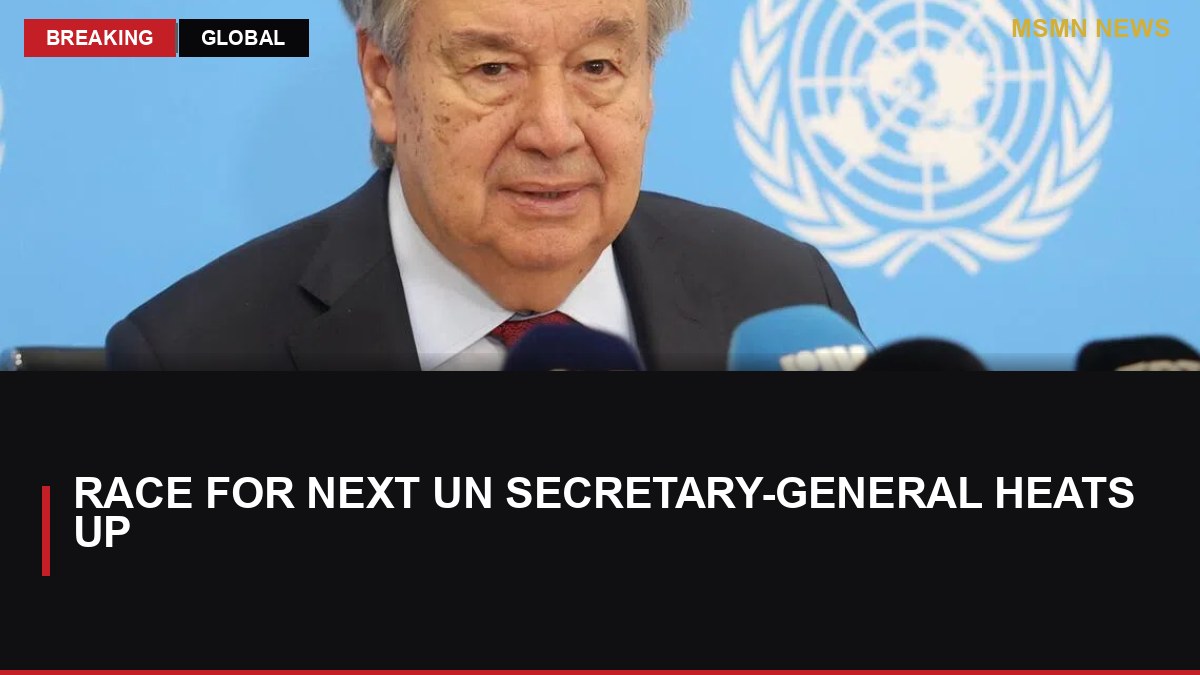
The selection process for the next UN Secretary-General has begun, with a diverse group of candidates aiming to succeed Antonio Guterres, who has held the position since 2017. This article delves into the candidates, the significance of the role, and the implications for global governance.
- Limited-Time Free Pokémon Offer: MSMN News
- Christopher Cross Uses Canada Stage to Blast Trump, Jokes About Getting ‘Ejected’ From America: MSMN News
- JD Vance Labels Michigan Senate Candidate Abdul El-Sayed as ‘Evil’: MSMN News
- Saudi and Omani Leaders Meet to Address Regional Security Concerns Amid Escalating Tensions: MSMN News
- DC Universe Unveils Its Most Potent Characters: MSMN News
The race to become the next Secretary-General of the United Nations has officially begun, with a notable mix of candidates already in the fray. Currently, four women and three men have declared their ambitions to succeed Antonio Guterres, who has served in the role since January 2017. The selection process is crucial, not only for the UN but also for global governance and International Relations.
Candidates in the Running
Among the candidates are seasoned leaders and diplomats with extensive experience in international affairs. While the official list of candidates is still forming, early contenders include prominent figures from various countries, reflecting a broad spectrum of backgrounds and expertise. This diversity is particularly significant, as it aligns with the UN's commitment to gender equality and inclusive leadership, which has been a focal point in recent years.
The current frontrunners include individuals who have held high-ranking positions in their respective governments or international organizations. Their experiences range from diplomatic negotiations to leadership roles in humanitarian efforts, which will be vital in tackling the myriad challenges facing the UN today, including climate change, conflict resolution, and global health crises.
One of the candidates is a former head of state, known for her strong advocacy on climate issues and her efforts to promote sustainable development. Another contender has a rich background in international law and human rights, making her a strong candidate for the role, especially in light of the UN's mission to uphold human rights globally. The presence of these candidates not only reflects their qualifications but also highlights the increasing importance of diverse perspectives in global governance.
The Importance of the Selection Process
The role of the UN Secretary-General is pivotal in shaping the organization's agenda and priorities. The Secretary-General serves as the face of the UN and is responsible for promoting peace and security, fostering international cooperation, and addressing global issues. With the world facing unprecedented challenges, including geopolitical tensions and a climate emergency, the selection of the next Secretary-General will have far-reaching implications.
The process of appointing a new Secretary-General is guided by the UN Charter, which stipulates that the General Assembly appoints the Secretary-General on the recommendation of the Security Council. This dual requirement ensures that both the global community and the key power players within the UN are involved in the decision-making process. However, this structure can also lead to complications, as political interests often come into play, influencing the selection.
Historically, the selection process has been marred by political maneuvering, with member states lobbying for candidates who align with their national interests. This has sometimes resulted in candidates who are more politically palatable to the powerful nations rather than those who may be best suited for the role based on merit and capability.
Timeline and Process
The timeline for the selection process is not fixed, but it typically spans several months. The initial phase involves informal consultations among member states, where candidates are discussed and evaluated. This phase is crucial for gauging support among the Security Council members, particularly the five permanent members: the United States, Russia, China, France, and the United Kingdom.
Following these discussions, the Security Council will narrow down the candidates and recommend a shortlist to the General Assembly. The General Assembly will then vote on the final appointment. This process can be lengthy, as negotiations and discussions often extend beyond initial expectations, influenced by the political climate and the interests of member states.
In recent years, there has been a push for a more transparent selection process, with calls for public hearings and greater involvement from civil society. Advocates argue that a more open process could lead to a stronger candidate being selected, one who is not only capable of leading the UN but also enjoys the confidence of the global community.
Public and Diplomatic Reactions
The announcement of the selection process has already sparked discussions among diplomats and analysts. Many are closely watching the candidates' profiles, assessing their potential to navigate the complex challenges the UN faces. Public reaction has varied, with some advocates calling for a more transparent and inclusive selection process, while others emphasize the need for a leader who can effectively manage the UN's operations and enhance its global standing.
The involvement of women in this race has been particularly highlighted, as it reflects the UN's ongoing commitment to gender parity in leadership roles. Advocates for gender equality are hopeful that a woman may finally secure the position, which has historically been dominated by men. This shift could signify a broader change in international governance, where diverse perspectives are increasingly recognized as essential for effective leadership.
As the selection process continues, it will be essential to monitor how candidates respond to pressing global issues, such as the ongoing conflict in Ukraine, the humanitarian crisis in Syria, and the challenges posed by climate change. Observers are keen to see which candidates can articulate a clear vision for the UN's role in addressing these crises.
Next Steps and Considerations
As the selection process unfolds, member states will likely engage in behind-the-scenes negotiations, lobbying for their preferred candidates. The dynamics within the Security Council will play a critical role in determining which candidates advance. Observers suggest that candidates with strong diplomatic backgrounds and the ability to build consensus will have a better chance of being selected.
In addition to the political maneuvering, the candidates will also need to demonstrate their ability to engage with a variety of stakeholders, including non-governmental organizations, civil society, and the private sector. The next Secretary-General will need to be a unifying figure, capable of fostering collaboration among diverse groups to effectively address global challenges.
The global community is encouraged to stay informed about the developments in this selection process. As the candidates emerge and the discussions progress, the implications for international relations and governance will become clearer. The next Secretary-General will not only influence the UN's agenda but also shape the global response to pressing issues that affect millions worldwide.
In summary, the race for the next UN Secretary-General is off to a spirited start, with a diverse array of candidates vying for one of the most important positions in global governance. The selection process will be closely monitored, as it serves as a critical moment for the UN and the international community. With challenges mounting and expectations high, the world will be watching to see who will emerge as the next leader of the United Nations. As the process unfolds, it will be essential to consider not just the candidates' qualifications but also their vision for the future of the UN and their ability to unite member states in pursuit of common goals.
The outcome of this selection process will undoubtedly shape the future of the UN and its ability to address the myriad challenges facing humanity today. With each candidate bringing unique perspectives and experiences, the decision made by the Security Council and the General Assembly will resonate far beyond the corridors of the UN headquarters in New York. The stakes are high, and the world is watching closely as the next chapter in UN leadership begins to take shape.
Source / Reference
Reporting by MSMN News, based on publicly available source material.
Source: Straits Times World
Reference link: https://www.straitstimes.com/world/selection-process-for-next-un-chief-begins
Recommended products
 -55%
-55%

 Best seller
Affiliate disclosure: MSMN may earn from qualifying purchases. Prices and availability may change.


Comments