
Botswana’s Wildlife Conservation Strategy Offers Lessons for South Africa: MSMN News
Follow MSMN
Official channels from Martins Studio Media Network.
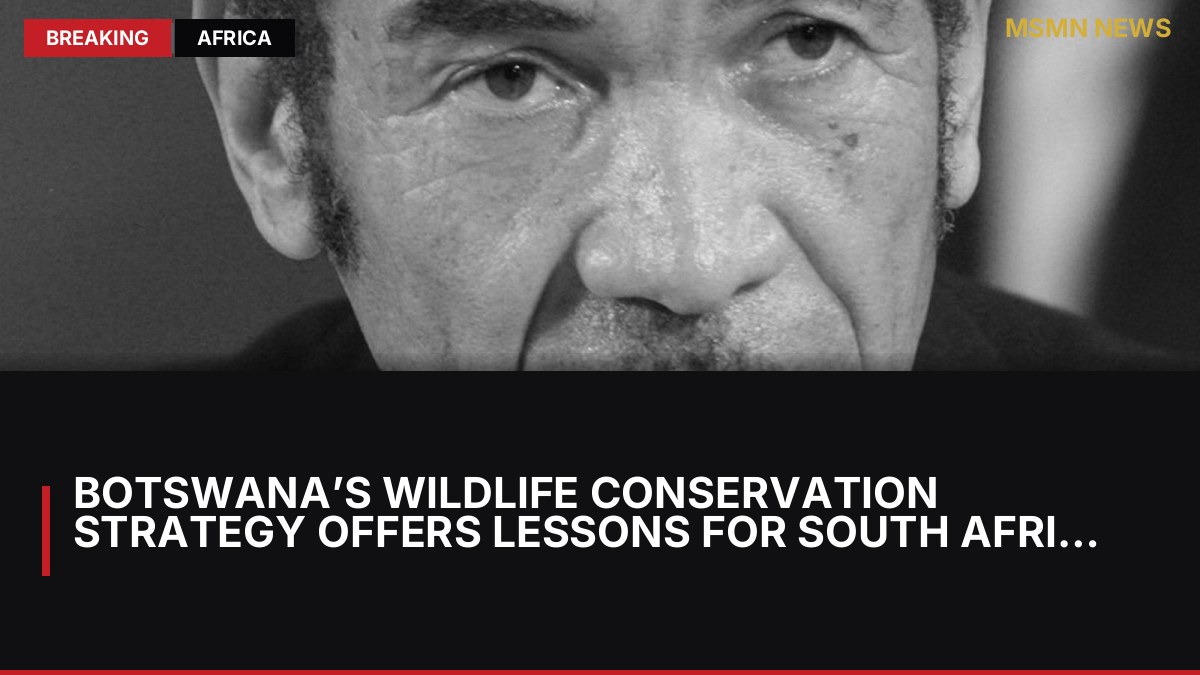
Botswana's innovative wildlife conservation strategy, which includes military involvement and community engagement, presents valuable insights for South Africa's environmental efforts.
- Why the Supreme Court's ballroom ruling could matter beyond the ballroom: MSMN News
- AS Monaco Claims Top Spot in Ligue 1 After Victory Over Marseille: MSMN News
- Family mourn 'deeply loved' girl killed in Middlesbrough fire: MSMN News
- Baby girl found at house was stabbed, say police: MSMN News
- Aliens: Fireteam Elite 2 Is As Mediocre As Its Steam Reviews Let On: MSMN News
In a significant move towards safeguarding its natural heritage, Botswana has adopted a robust strategy for wildlife conservation that integrates the national defense force into anti-poaching operations. This initiative, which has been gaining traction in recent years, emphasizes the importance of community involvement in conservation efforts and serves as a critical model for neighboring South Africa.
The strategy entails not only the deployment of military personnel to combat poaching but also the inclusion of local communities in wildlife management and protection schemes. By fostering a sense of ownership and responsibility among residents, Botswana aims to create a sustainable framework that not only protects its wildlife but also enhances the livelihoods of those living in proximity to these natural resources. This dual approach has reportedly led to a decrease in poaching incidents and an increase in biodiversity, showcasing the effectiveness of collaborative Conservation efforts.
Botswana's commitment to wildlife protection is crucial, particularly in a region where Poaching and habitat loss pose significant threats to biodiversity. The country is home to a diverse array of species, including elephants and rhinoceroses, which are often targets for illegal hunting. By integrating military resources with community engagement, Botswana sets a precedent for how countries can work together to combat environmental challenges while also addressing socio-economic issues.
Key figures in Botswana's conservation efforts include government officials and local leaders who advocate for the inclusion of indigenous knowledge in Wildlife management practices. Their collaborative approach has sparked interest in South Africa, where similar challenges persist. As South Africa grapples with its own wildlife conservation dilemmas, the lessons learned from Botswana's model could inform policies and practices aimed at enhancing regional cooperation in protecting natural heritage.
Looking ahead, stakeholders in South Africa's environmental sector are urged to examine Botswana's strategies closely. Implementing similar frameworks that prioritize community involvement and leverage military support could be pivotal in addressing poaching and conservation challenges in the region. Future discussions and partnerships may emerge as South African officials and conservationists seek to adapt successful elements from Botswana's approach to their own context.
As the dialogue around wildlife conservation continues, the focus will likely remain on how best to implement these lessons and foster collaborative efforts that benefit both wildlife and local communities.
Source / Reference
This MSMN News article is an original rewrite for our readers.
Source: Daily Maverick SA
Reference link: https://www.dailymaverick.co.za/opinionista/2026-09-01-protecting-botswanas-wildlife-a-national-responsibility-and-lessons-for-sa/
Recommended products
 -84%
-84%
SHEIN
Men's Running Shoes, Cross-Country Running Shoes, Outdoor Non-Slip Sports Running Shoes
Approx. ZAR 865.00
5,282.00
Final price on merchant site
2 merchants


Affiliate disclosure: MSMN may earn from qualifying purchases. Prices and availability may change.





Comments