
Ancient Genetic Legacy Found in Modern Human DNA: MSMN News
Follow MSMN
Official channels from Martins Studio Media Network.
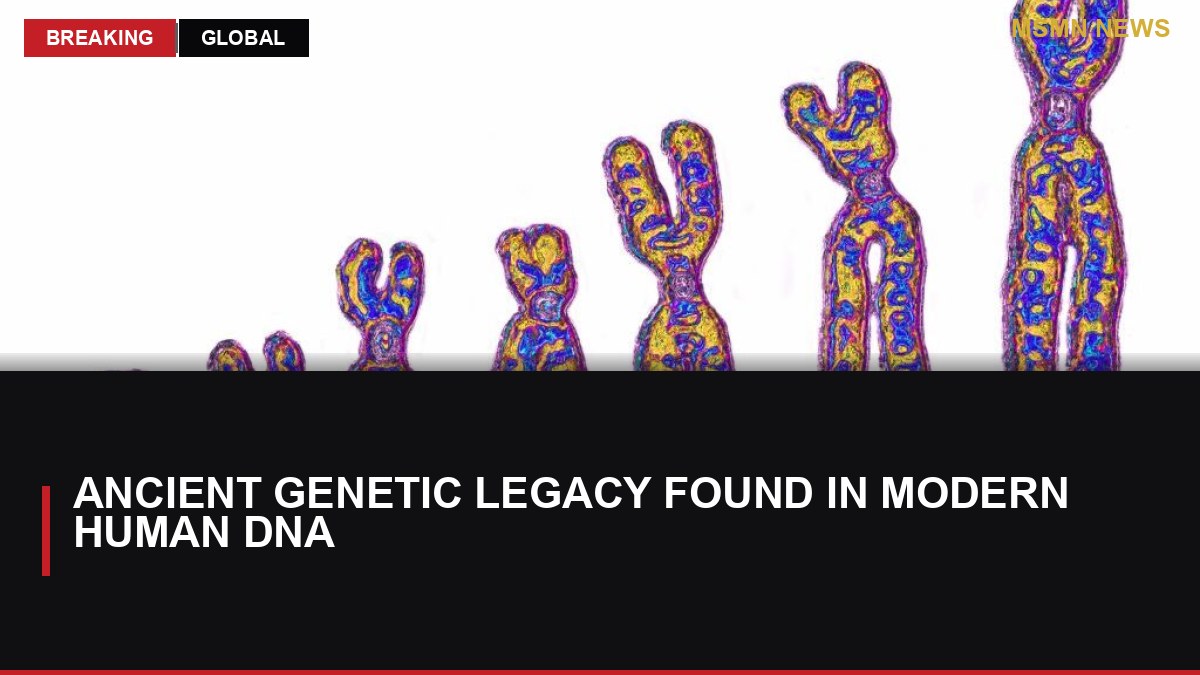
A groundbreaking study reveals that modern humans carry genetic traces from an ancient lineage with no living descendants, adding complexity to our understanding of human evolution.
- Arga Labs Secures $10 Million to Enhance AI Training Methods: MSMN News
- Yayoi Kusama, Iconic Japanese Pop Artist, Passes Away at 97: MSMN News
- Live: Five New Zealanders missing following Nepal flash flood - reports: MSMN News
- Dreame’s dream of a rocket-powered car is dead: MSMN News
- The Rise and Fall of Adam and the Ants: A Wild Ride Through Antmania: MSMN News
Discovery of Ghost Lineage in Human DNA
A groundbreaking study has revealed that modern humans carry genetic traces from an ancient lineage of humans that has no living descendants today. This finding adds a new layer to the complex narrative of human Evolution and ancestry, particularly in Africa, where the origins of modern humans can be traced.
The research, conducted by an international team of scientists, focuses on the genetic makeup of contemporary populations in Africa. Their investigation uncovered evidence of a so-called 'ghost lineage'—an ancestral group that, despite having no direct descendants, has left a significant mark on the DNA of present-day humans. This lineage is thought to have existed alongside other known ancient human species, such as Neanderthals and Denisovans, but its identity and characteristics remain largely speculative.
The Importance of Africa in Human Evolution
Africa is widely recognized as the cradle of humanity, where Homo sapiens first emerged approximately 300,000 years ago. This new research underscores the continent's pivotal role not only in the origin of modern humans but also in shaping their genetic diversity. The study highlights that while Neanderthals and Denisovans have been extensively studied, the genetic contributions from this ghost lineage present a unique opportunity to understand the complexities of human ancestry.
The term 'ghost lineage' refers to genetic material that can be identified in modern populations but cannot be traced back to any known species within the fossil record. This situation arises when a population interbreeds with another group that has since become extinct, leaving behind traces of their DNA in the surviving descendants. The findings suggest that this ghost lineage contributed more to the genomes of some African populations than previously understood.
Methodology of the Study
The research team utilized advanced genomic analysis techniques to compare the DNA of various African populations with that of ancient human specimens. By sequencing genomes from both contemporary humans and ancient hominins, they identified segments of DNA that could be attributed to this unidentified lineage. The study involved a collaborative effort among geneticists, anthropologists, and evolutionary biologists from around the world, emphasizing the interdisciplinary nature of modern genetic research.
The scientists focused on specific regions of the genome that showed signs of introgression, a process where genetic material is exchanged between different species. By analyzing these regions, they were able to estimate the contribution of the ghost lineage to the DNA of modern humans in Africa. The use of sophisticated computational models and comparative genomics allowed the researchers to isolate these genetic signatures, providing a clearer picture of the ancient interactions that shaped our genetic heritage.
Implications for Understanding Human Ancestry
These findings challenge the traditional view of human evolution, which has primarily centered around well-documented interactions with Neanderthals and Denisovans. The existence of a ghost lineage suggests that the evolutionary history of modern humans is even more intricate than previously thought. It raises questions about how many other unknown groups may have contributed to the genetic diversity observed in today’s populations.
This research also has implications for understanding the adaptation and survival of human populations over millennia. Genetic variations inherited from this ghost lineage may have played a role in how modern humans adapted to different environmental challenges across the African continent. This could provide insights into the resilience and adaptability of human beings in the face of changing climates and ecosystems.
The Broader Context of Human Evolution
The discovery of this ghost lineage adds a new dimension to the ongoing conversation surrounding human evolution. For decades, the narrative has primarily revolved around the interactions between Homo sapiens and other hominin species that are more well-known. However, the recognition of a ghost lineage suggests that the ancestral tree of humanity is far more complex and interconnected than previously understood. It highlights the potential for undiscovered ancient populations that may have contributed to our genetic makeup.
Additionally, this finding may impact our understanding of various traits and health conditions that are prevalent in modern populations. As researchers delve deeper into the genetic contributions from this ghost lineage, they may uncover links to specific adaptations or susceptibilities to diseases that have persisted through generations. This could lead to new avenues for medical research and a better understanding of human health.
Public Reaction and Future Research Directions
The study has generated significant interest within the scientific community and among the general public. Many researchers are eager to explore the implications of these findings further, and there is a growing demand for additional studies that can shed light on the identity and characteristics of this ghost lineage. The excitement surrounding this discovery is palpable, as it opens up new pathways for inquiry into our past.
As scientists continue to analyze ancient DNA and refine their methodologies, there is hope that more information will emerge about this mysterious group. Understanding the genetic contributions from this lineage could lead to a more comprehensive picture of human evolution and migration patterns. The potential for future discoveries is vast, as advancements in Technology and analytical techniques promise to enhance our understanding of ancient human populations.
Moreover, this discovery emphasizes the need for a more nuanced approach to studying human ancestry. It encourages researchers to consider the possibility of other unknown lineages that may have influenced modern human Genetics. As genetic technologies advance, the potential to uncover more about our ancient relatives and their interactions with early humans has never been greater. The collaborative efforts of geneticists, archaeologists, and anthropologists will be crucial in piecing together the puzzle of human ancestry.
Conclusion
The revelation of a ghost lineage in the genetic makeup of modern humans is a significant advancement in the field of Anthropology and genetics. It highlights the complexity of our evolutionary history and the myriad factors that have shaped human diversity. As research continues, the understanding of human ancestry will likely evolve, revealing more about the ancient connections that bind us all.
This ongoing work not only enriches the narrative of human evolution but also invites a broader discussion about the implications of genetic research for contemporary society. As we learn more about our shared history, it becomes increasingly clear that the past is intricately woven into the fabric of our present, shaping who we are as a species today. The journey to uncover the full story of human evolution is far from over, and each new discovery brings us one step closer to understanding our place in the tapestry of life.
Source / Reference
Reporting by MSMN News, based on publicly available source material.
Source: Ars Technica
Reference link: https://arstechnica.com/science/2026/07/not-just-neanderthals-ghost-lineage-in-africa-left-its-mark-on-our-dna/
Recommended products
 -15%
-15%
OnBuy EU
Chinese Phone Rope Phone Charm Phone Strap Phone Pendant Phone Decor Chic Phone Lanyard
Approx. EUR 16.14
18.99
Final price on merchant site


Affiliate disclosure: MSMN may earn from qualifying purchases. Prices and availability may change.





Comments