
Climate Change Poses Increased Heat Stress Risks for Indian Children: MSMN News
Follow MSMN
Official channels from Martins Studio Media Network.
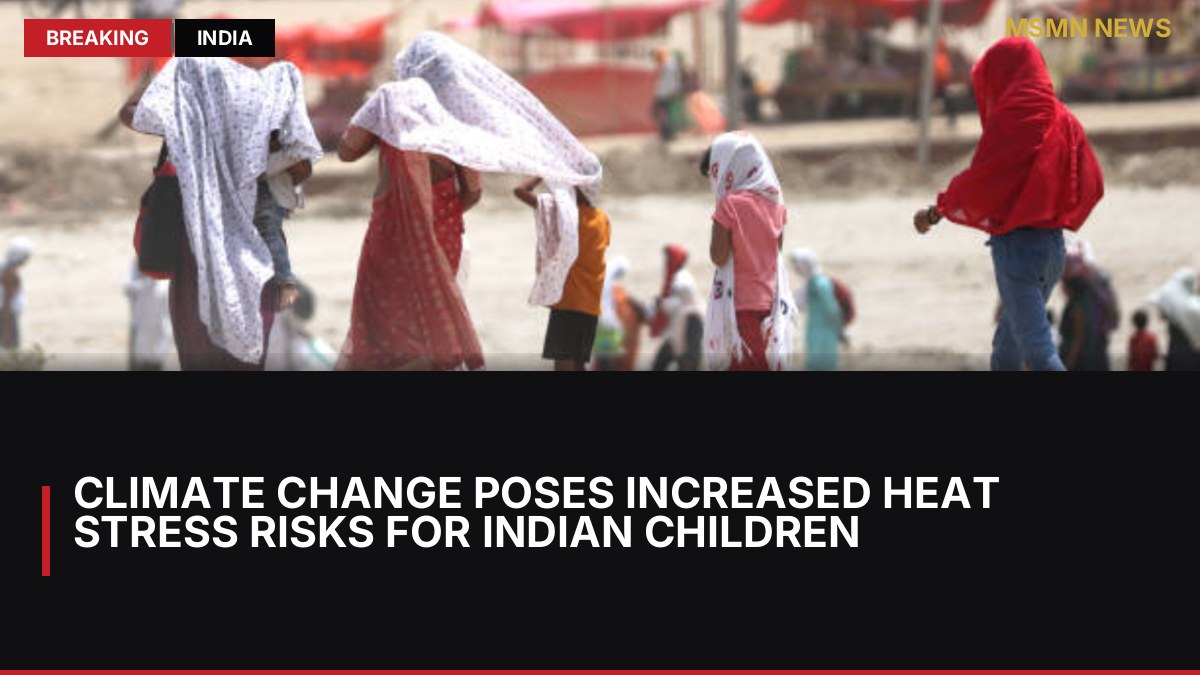
A recent study highlights alarming findings that 61% of children in India are facing an additional month of heat stress each year due to climate change, significantly impacting their health and well-being.
- The Hilarious Moment That Led to Kelsey Grammer's Frasier Spinoff: MSMN News
- Rising Trend: Americans from All Walks of Life Turn to Dollar Stores for Savings: MSMN News
- China's Industrial Profit Growth Hits Seven-Month Low Amid Economic Slowdown: MSMN News
- Gemma Arterton's New Spy Thriller Series 'Secret Service' Lands Streaming Deal: MSMN News
- Wes Streeting describes ‘unbelievable volume’ of homophobic abuse since becoming defence secretary: MSMN News
In a troubling revelation, a new study has found that over half of Indian children are subjected to an additional month of heat stress annually as a direct consequence of Climate Change. This research underscores the urgent need for action as it highlights the increasing vulnerability of younger populations to extreme heat conditions, which have become more prevalent in recent years.
The study indicates that 61% of children in India are now experiencing prolonged exposure to dangerously high temperatures, a situation that has worsened due to the ongoing impacts of climate change. This alarming statistic is particularly significant as it shows that young children are disproportionately affected compared to other age groups, highlighting a critical public health issue that could have lasting ramifications for millions of youngsters across the nation.
The implications of this research are profound, as rising temperatures not only threaten the immediate health of children but also pose long-term risks to their development. Exposure to excessive heat can lead to a range of health problems, including heat exhaustion, heat stroke, and exacerbation of pre-existing health conditions. Moreover, the findings bring to light the broader effects of climate change, particularly in developing countries like India, where the younger population is especially vulnerable to environmental changes.
The study serves as a wake-up call for policymakers and public health officials, emphasizing the urgent need for effective climate action and health interventions to protect the most vulnerable members of society. As future warming scenarios predict even greater challenges, it is crucial to prioritize measures that mitigate these risks and safeguard the well-being of children.
Moving forward, stakeholders must focus on implementing strategies that address climate change and its impact on health. Public awareness campaigns, educational programs, and policy initiatives aimed at reducing carbon emissions could play a vital role in protecting future generations from the adverse effects of climate change.
As discussions around climate policy intensify, the health of India's children remains a critical issue that demands immediate attention and action from both the government and society at large.
Source / Reference
This MSMN News article is an original rewrite for our readers — not a copy of another publisher's story.
Source: Times of India
Recommended products
SpringerNatureLink Shop INT
Climate Change
Approx. EUR 176.79 Final price on merchant site
2 merchants

 Editor's choice
Affiliate disclosure: MSMN may earn from qualifying purchases. Prices and availability may change.



Comments